
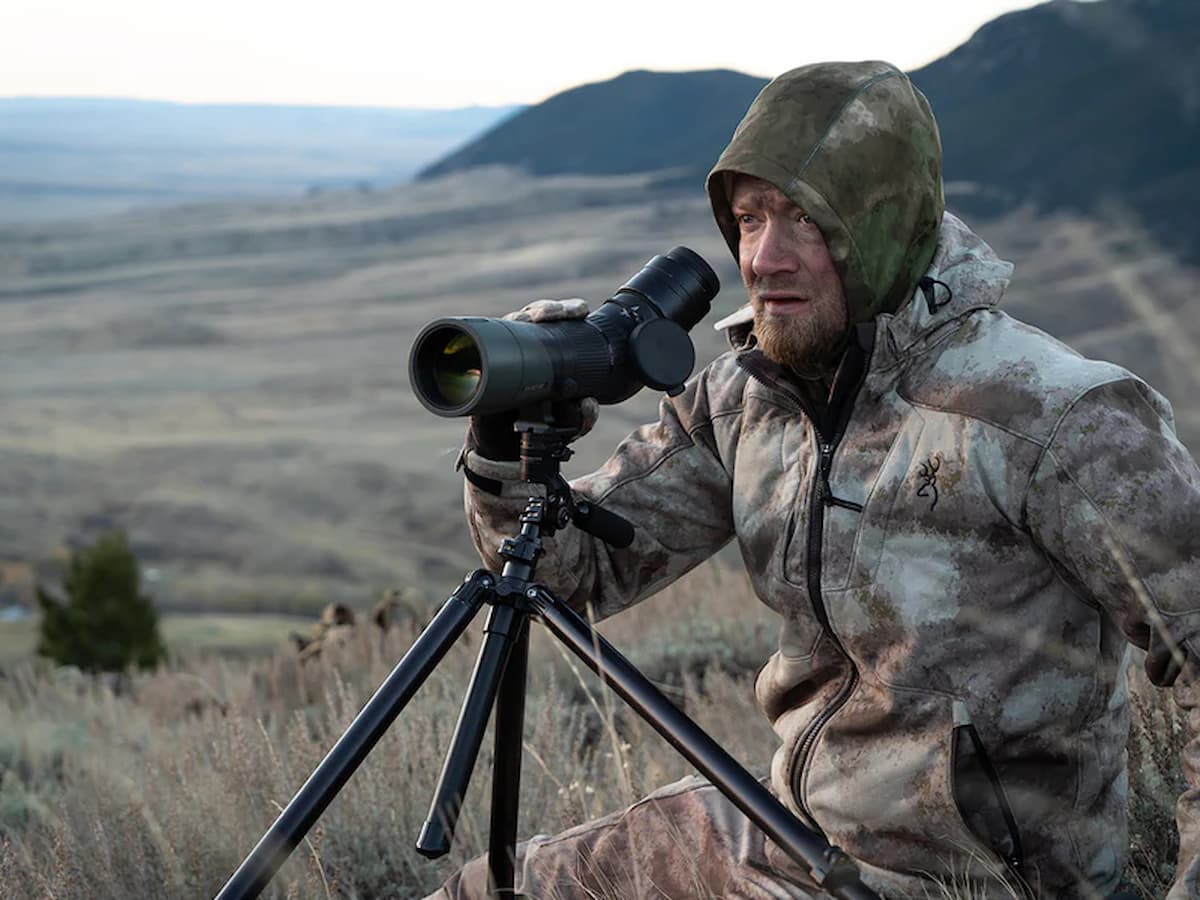
Ever tried to spot something far away and wished you could see it more clearly? That’s exactly what spotting scopes are made for. They’re like a bridge between binoculars and telescopes: easy to carry but powerful enough to reveal fine details.
With their higher magnification and stable design, they give you the clarity you need for hunting, birdwatching, or simply feeding your curiosity. Once you understand how they work, choosing the right type and setting it up becomes simple, and every outing is way more rewarding.
Spotting Scopes Basics
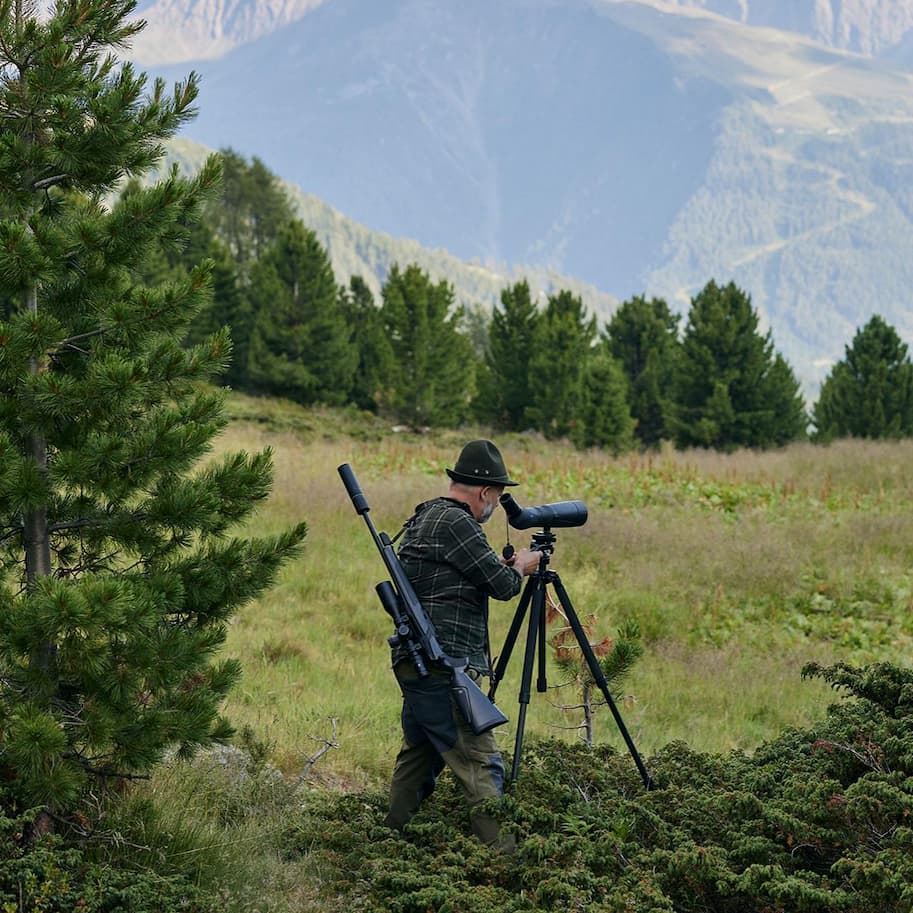
Spotting scopes reveal details far beyond what binoculars can. These compact telescopes are designed for both land and sea use, often for hunting, providing a clearer, brighter look at distant subjects. If you plan to use one, it helps to understand how it works and how to get the best results.
What Is a Spotting Scope?
Simply put, a spotter scope is a high-powered optical device designed for viewing things at long range. Unlike binoculars, a high-quality spotting scope, especially when mounted on a tripod for stability, offers much greater magnification. These tools are great for hunting, target shooting, and even casual activities such as bird watching and stargazing.
Types of Spotting Scopes
There are a few types of spotting scopes you can choose from based on their shape, and even something as simple as their shape can make a big difference in how you use them. Getting a clearer idea of how the different types work can help you pick the option that works better for your needs.
Angled Spotting Scopes
An angled scope has its eyepiece tilted upward. This type of scope is purposely constructed this way so it is easier to look at things above you, like birds in tall trees or wildlife on hills. People also like angled scopes because they’re easier to share, and viewers of different heights don’t need to adjust the tripod. Plus, it helps reduce neck strain during long sessions. However, they’re a bit bulkier and may not be the best idea to take them along on long hikes for the same reason.
Straight Spotting Scopes
A straight scope lines the eyepiece directly with the lens, making it more compact and super quick to aim. That’s handy when you need to lock onto a target fast, like during hunting. Spotting scopes for hunting are also easy to use from vehicles. You can just point them straight out the window. The only catch is they’re not as comfortable if you’re trying to look at something at an angle.
Key Components
Spotting scopes have several important parts: objective lens, eyepiece, prisms, chassis, and focus mechanism. Each piece has its role in the scope’s overall performance and usability.
The objective lens, the larger lens at the front of the scope, gathers light, making images bright and clear. The eyepiece is the part you look through. It provides adjustable magnification, while internal prisms on the inside correct the image orientation. A focus wheel sharpens the view, and the chassis holds everything together.
How It Works
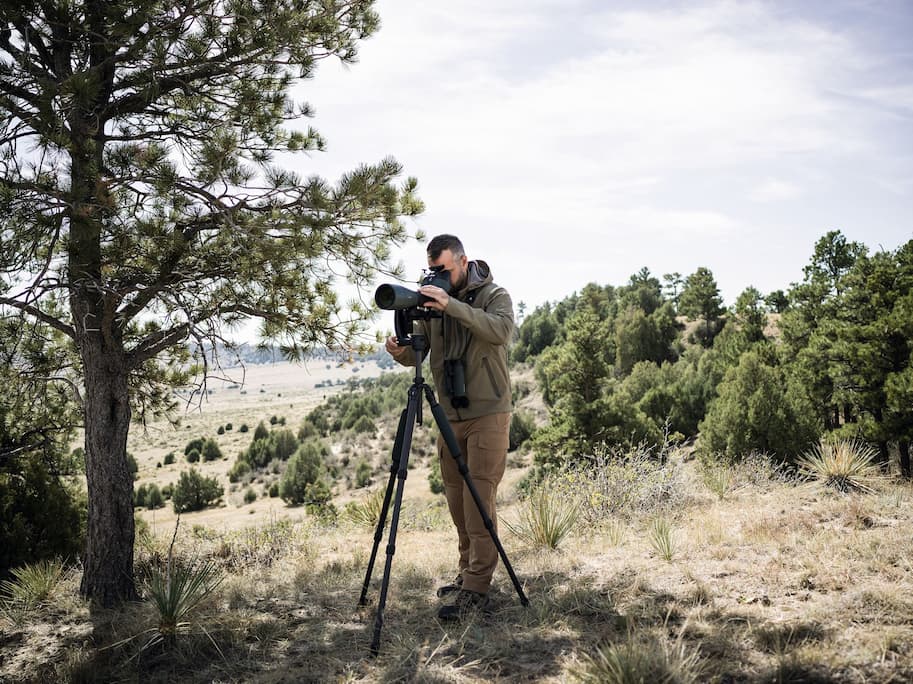
The light enters through the big front lens, typically around 60 to 85mm wide, gathering plenty of light for a clear view. Inside the scope, prisms flip the image the right way up before it reaches the eyepiece. This setup has much stronger magnification than binoculars, usually five to ten times, while still keeping the picture sharp.
You can think of it as the sweet spot between binoculars and a telescope. It’s easy enough to carry with you, yet powerful enough to catch the fine details, like the shimmer of feathers on a bird hundreds of yards away.
Magnification Power
Spotting scopes typically range from 15x to 60x magnification, which means you get to see the objects as if they are 15 to 60 times closer than with the naked eye. At higher magnifications, a tripod is necessary to keep the image steady. This makes spotting scopes ideal for focusing on specific targets rather than scanning wide areas. Spotting scopes open up a whole new level of detail in the world around you. With their powerful magnification, bright images, and stable design, they’re the perfect tool for curious minds and nature explorers.
Specialised Spotting Scopes
Beyond angled and straight designs, there are also specialised spotting scopes made for different needs.
Compact scopes: These are lightweight, easy to carry, and a preferred option for hikers or birdwatchers on the move.
High-end scopes: If you’re a professional, investing in a high-end spotting scope is a smart move. They’re built with bigger lenses, advanced coatings, and extras like rangefinders.
Pick the one that matches your adventure style, and you’ll unlock a whole new level of detail in the world around you.
How To Set Up Your Spotting Scope
By starting wide, working in stages, and gradually figuring things out as you go, you’ll transform the process from guesswork into something smooth and reliable. Here’s the routine that makes spotting way easier.
- Start at the lowest magnification (15-20x) for a wide view, then pop off all lens caps.
- Set the focus to infinity so distant objects look sharp.
- Use your eyes or binoculars first to find the target and note landmarks around it.
- Line up the scope with those landmarks, then scan slowly at low power.
- Once you’ve got your target, bump up magnification step by step, refocusing each time.
- Finally, fine‑tune the focus with small tweaks. Turn past sharpness, then back, to lock in the clearest view.
Beginning wide and narrowing gradually keeps things smooth and turns frustration into confidence. Stick to this sequence, and you’ll spend more time actually enjoying what you’re looking at.
Spotting scopes are all about practicality. They help you see farther and clearer, with less effort. Whether you’re out hunting, birdwatching, or just feeding your curiosity, the right scope makes the experience more rewarding. Choose the style that fits your needs, set it up right, and you’ll get consistent results every time.