
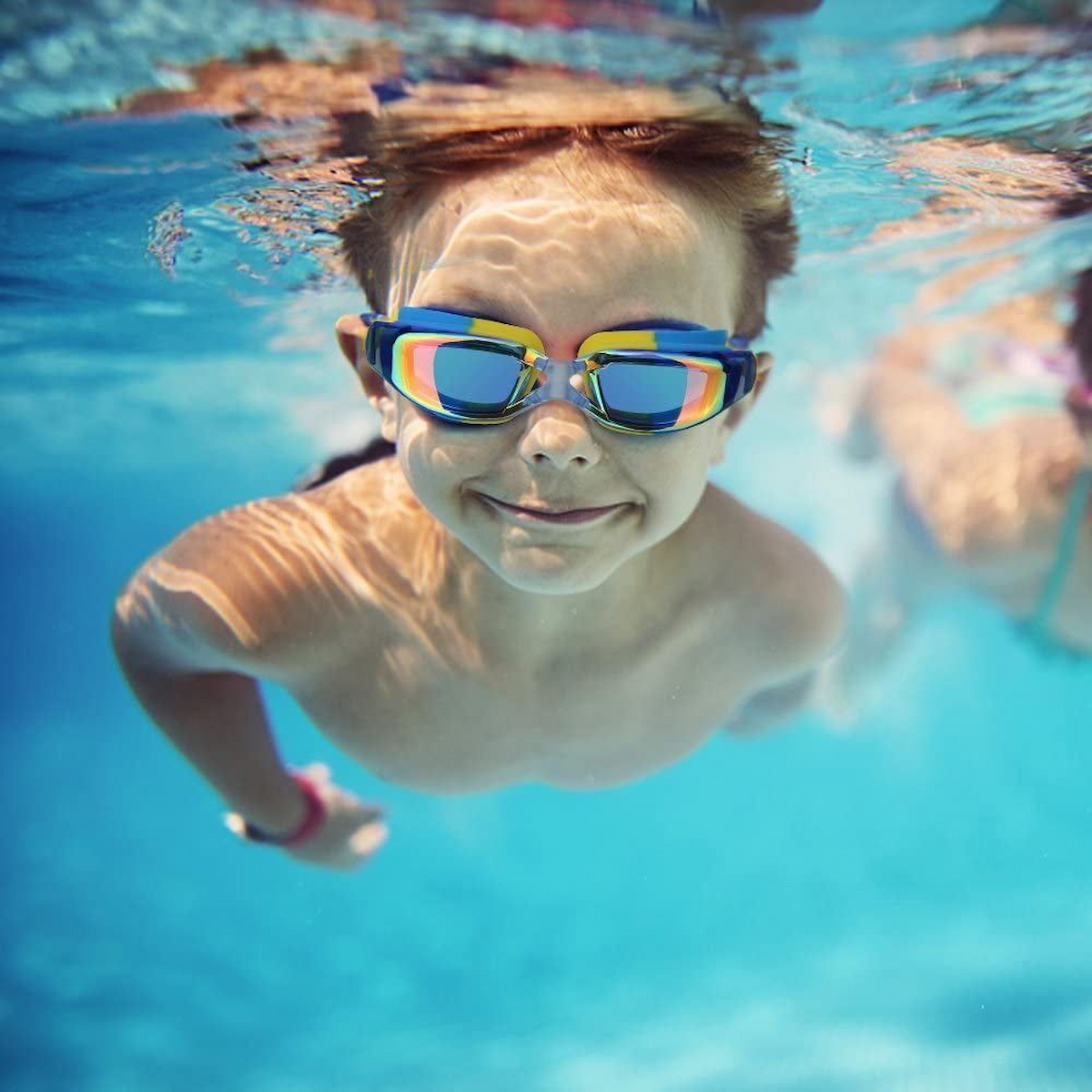
There is a time in every parent’s life when their child is growing up and wants to embark on different activities. Learning to swim is a rite of passage for every Australian, and to ease every parent’s anxiety during this turbulent time, you should always ensure your child has the proper swimming equipment before going into the water.
When it comes to feeling comfortable and secure when swimming, choosing the right form of eye protection goes a long way. Whether your child is excited to start their swim lessons or anxious about the road ahead, a pair of swimming goggles for kids can significantly reduce their worries and even reassure them that it’s a fun road ahead.
Understanding the differences between different types of swim eye protection can help make a smarter choice when choosing the right protective swim gear for your kid. Join us as we explore the differences among types of protective kids’ goggles and help you decide whether to purchase children’s swim goggles or swim masks.
What Are Children’s Swim Goggles?
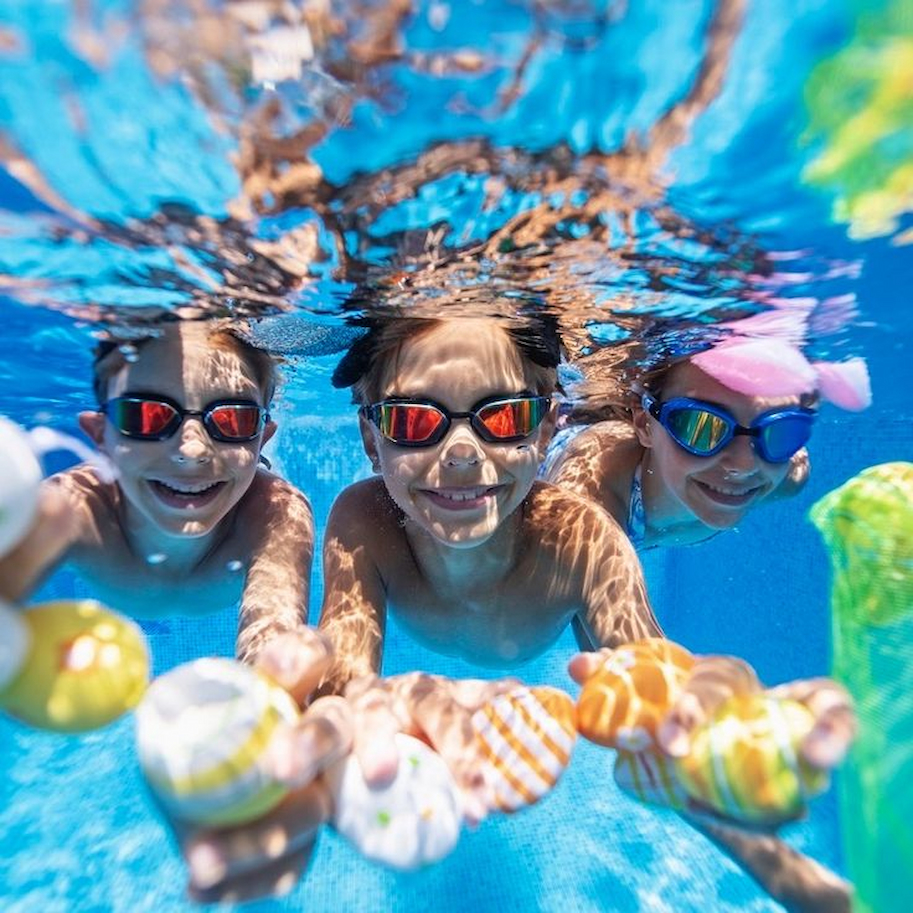
Many children feel insecure about putting their heads underwater, even though it’s an essential step to becoming a good swimmer. The right protective children’s swim goggles can help ease your child’s anxieties related to swimming and even help them conquer their fear of deep water.
Children’s swim goggles are a type of specialised swim eyewear that protects your child’s eyes while helping them see clearly underwater.
Swim goggles, in particular, are a type of eyewear that creates a protective seal around your eyes only, your mouth and nose are still exposed to the water.
The watertight seal around the eyes helps them see clearly underwater while keeping chlorine, salt, and debris from entering your eyes.
For people who want to see results faster or those who want to increase their overall swim performance, swim goggles are a very effective form of eye protection that still offers all the benefits without slowing your little one down.
What Are Swim Masks?
While goggles offer more than enough eye protection when you’re in water, some children don’t feel comfortable having their nose exposed in water as well.
Whether you’re swimming in open water or in a closed space, there are numerous benefits to wearing eye protection, especially for beginners.
Although there are various styles of swim masks available, most standard swim masks offer more protection than just to your eyes.
Swim masks are watertight seals created around your eyes, nose, and part of your forehead. At first glance, the difference might not be so drastic, but both swim goggles and masks offer entirely different experiences.
When wearing a swim mask, it also prevents water from getting into the nose, which can be quite uncomfortable for beginner swimmers. The seal that the swim mask provides on your forehead can also protect your kid from both cold water and dangerous UV rays.
Many children feel more comfortable wearing swim masks because they feel more secure in them, compared to goggles that just cover their eyes.
For longer swim sessions and children who are anxious about going into the water, swim masks might be the right choice.
Goggles vs Swim Masks
When it comes to swimming for longer periods of time, the first thing that comes to mind is how comfortable your child will be.
Not every child is the same, and other than protective swim gear, different factors can play a part in affecting your child’s comfort while swimming.
However, when it comes to comfort in connection with swim eyewear, eye masks win the race.
Swim goggles tend to form a very tight seal around the eyes, which can cause redness, bruising, and discomfort, especially if they aren’t the right size to fit your child’s head.
Swim masks, on the other hand, put less pressure around your eye area while still providing adequate security in water.
Swim masks are also recommended for beginner swimmers as they evenly distribute pressure on the face and tend to provide a wider field of view even underwater.
The main complaint about swim masks with children is their size, as most kids find them bulky or say that they shift when swimming underwater. Swim goggles don’t have this problem as they are lightweight, breathable, and usually extremely tightly sealed.
Which Performs Better in Water?
The main factor that drives swimwear selection among more advanced swimmers is what kind of performance the swim gear offers.
It’s essential to note that swim goggles are especially engineered for high performance in water. They are worn even by professional swimmers, as they are secure and extremely handy for seeing underwater.
Although their tight fit might be slightly uncomfortable for some, it’s the defining factor that allows these goggles to remain stable even during intense moves. They also have less resistance, allowing for fast, sharp movement through the water.
On the other hand, swim masks are bulkier, heavier, and more likely to shift on your face at a higher swimming pace. Swim masks might be stable when performing slow and careful moves, but when doing aggressive manoeuvres, they can become loose and let water into your eyes.