
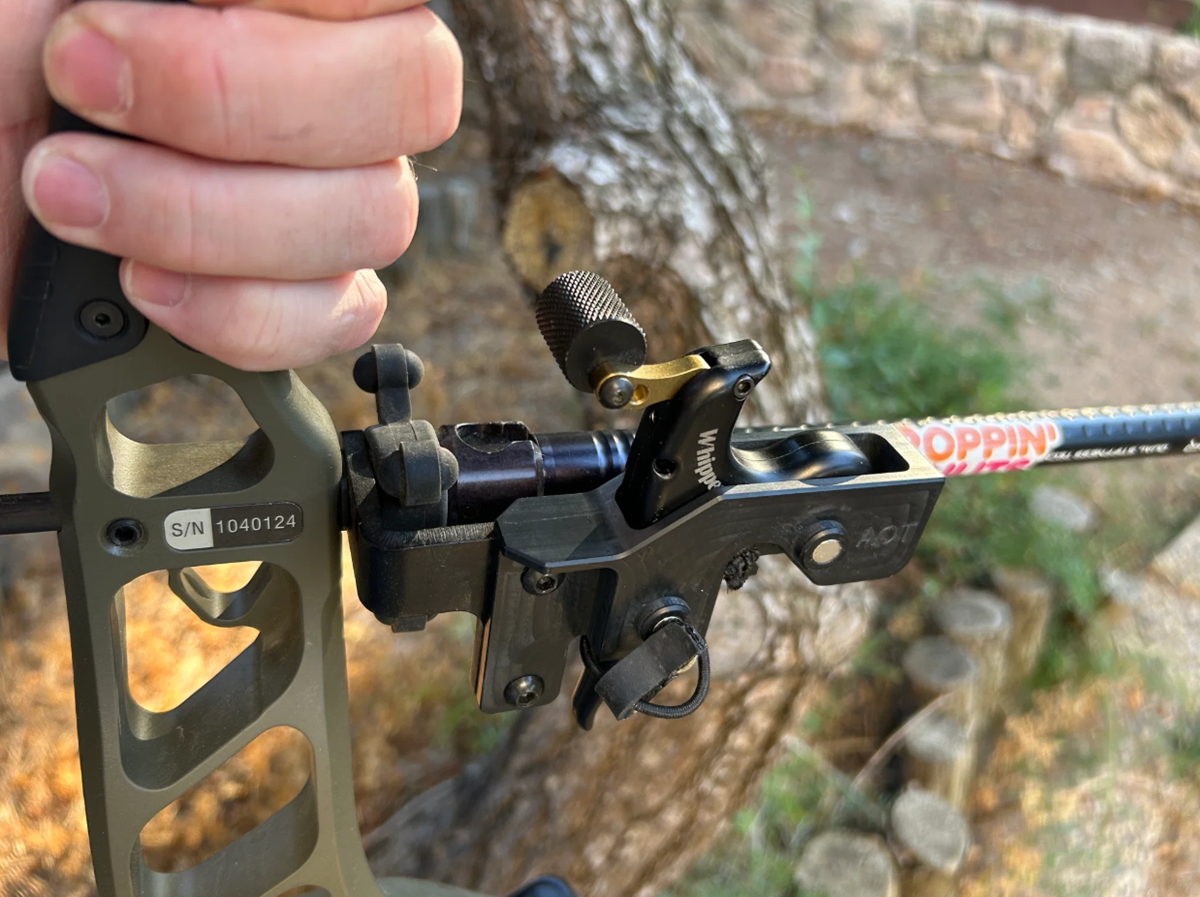
If you take archery or bowhunting seriously, it doesn’t take long before you start fine-tuning your setup. What begins with upgrading your bow often turns into a full accessory deep dive, including sights, stabilizers, rests, and more. Most of these upgrades follow a standard path. Stabilizers help with steadiness, quality sights are essential, and drop-away rests are widely considered the gold standard. If you looked at the setups of ten serious bowhunters, you’d see small differences but largely the same core gear.
If you spend long hours at the range or in the field, an ergonomic archery release can make your shooting feel more comfortable and consistent. The right design fits naturally in your hand, reduces fatigue, and helps you maintain a relaxed grip without tension creeping into your shot. Many ergonomic options feature contoured handles, adjustable finger pieces, and smooth triggers that let your hand sit in a natural position. This prevents torque and allows for a cleaner, more repeatable release. Over time, that consistency translates into tighter groups and better accuracy. They’re particularly helpful for hunters who might be wearing gloves or shooting in cold conditions, where a standard release can feel awkward.
The Importance of Good Shot Execution
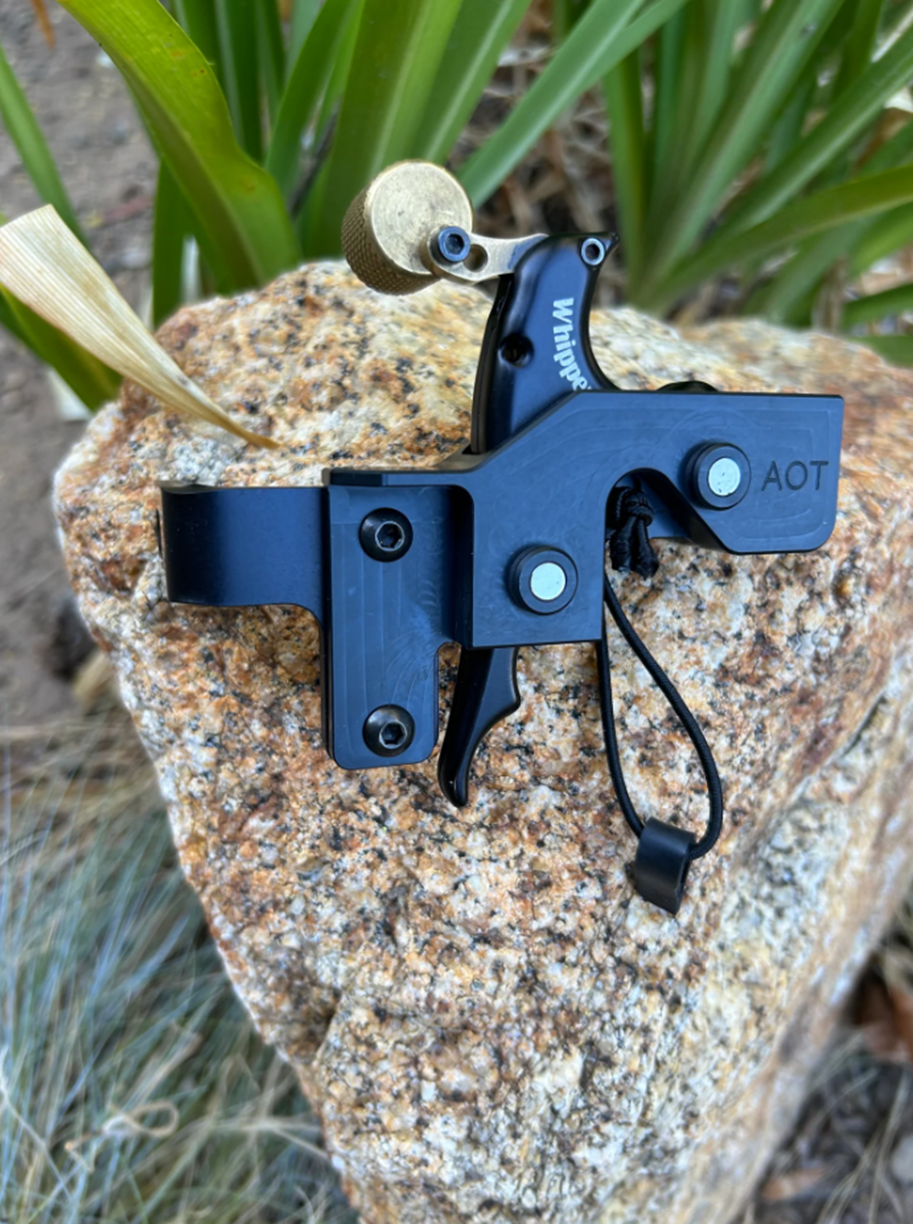
Good shot execution is something almost every top archer agrees on. It’s that smooth moment when your pin drifts gently around the bullseye, and you keep applying steady pressure until the shot breaks on its own, almost surprising you. This is often called a surprise release, and it’s considered the ideal way to shoot.
The opposite (punching the trigger) is when you yank the bow release the instant your pin touches the center. That quick, reactive movement usually causes all kinds of problems. Instead of trusting the process, you start trying to time the shot perfectly, which creates tension and can quickly lead to target panic. Target panic is a frustrating hurdle that many archers face. It can stall your progress or even make you worse if you don’t address it. While some people defend a more deliberate “command” style, most experts consider it less reliable in the long run and something that holds a lot of shooters back.
Back Tension
You’ll often hear serious archers talk about “back tension,” and it’s one of the most important concepts to understand. It simply means using the big muscles in your back to help execute the shot instead of relying only on your fingers.
By keeping those back muscles engaged, you maintain solid form and avoid collapsing at the moment of truth. With a back-tension archery release, this consistent increase in tension is what allows the shot to fire smoothly. Even with a standard trigger option, pulling through with your back helps prevent you from slapping or punching the trigger.
The beauty is that your back muscles aren’t as quick or precise as your fingers, so you can’t easily time the exact moment the shot breaks. That slight loss of control is a good thing; it leads to a smoother, surprise-style release and much better shots overall. It might sound a bit backward at first, but the top shooters swear by it, and the results speak for themselves.
Trigger vs Triggerless Options
Before diving into the different styles available, it helps to understand the two main categories: trigger and triggerless. A trigger option works exactly how it sounds. You need to actively press a trigger mechanism to make the shot go off. These are popular among hunters, with index finger and thumb button models being go-to choices for many archers.
On the other hand, triggerless archery releases fire without you pressing any kind of button or trigger. Instead, you use a different motion, usually involving back tension or a specific rotation of the wrist. Back tension and hinge options fall into this group, and they’re more commonly used by target archers or anyone focused on building better form.
The Four Main Types
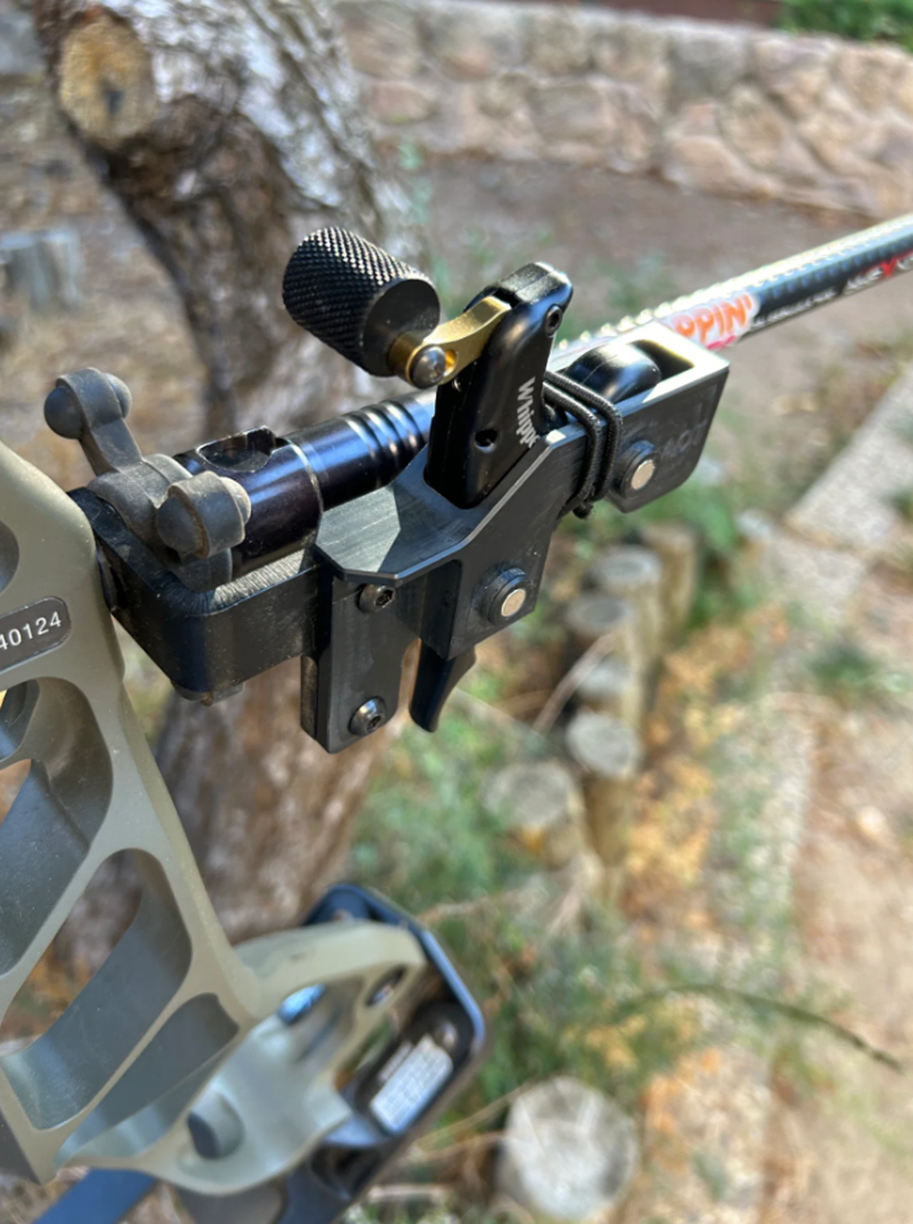
There are a few main types of bow releases that most archers end up using. Each has its own feel and best use cases, so it’s worth understanding the differences to find what suits your style. Here are the most common types:
- Index finger releases: These are usually the first ones people try. They attach to your wrist with a strap and use a simple trigger you pull with your index finger. They’re popular for hunting because they stay on your wrist and are hard to lose.
- Thumb button options: A handheld option that many hunters and target shooters love. You press a button with your thumb to fire. They often give a more natural draw and consistent anchor point.
- Back tension options: These are triggerless and fire purely through back tension. You set the tension and then squeeze your shoulder blades to make the shot go off. They’re great for building solid form and encouraging a true surprise release.
- Hinge options: Also triggerless and handheld. They combine back tension with a rotating motion of the hand. Many shooters like the click just before the shot, which helps them stay in control during the process.
Which One’s Right for You?
What’s the best bow release? Ultimately, picking the right one comes down to your goals and what feels best in your hand. For most hunters, a thumb button or index style works well because they’re quick and forgiving when things get real in the woods. Target shooters often lean toward hinge or thumb button options for their consistency and control. If you’re working on form or dealing with tension, a back tension or hinge can help reset your mechanics by forcing a cleaner shot. Many people, myself included, keep a couple different ones on hand. I hunt with a thumb button but switch to a back tension when I notice I’m getting sloppy. The practice carries over nicely.