

Silencers play a central, transformative role in modern target shooting, hunting, and tactical disciplines. Firearm sound suppressors operate by controlling and dampening the intense acoustic report generated when expanding propellant gases exit the muzzle during firing.
Beyond simply lowering sound signatures down to much safer, far more manageable levels, these specialized devices mitigate felt recoil and stabilize muzzle rise, allowing marksmen to stay locked on target for smooth follow-up shots.
Reduced-concussive blast improves focus, eliminates shooter fatigue during extended sessions, and permits clear communication on the range without relying exclusively on bulky hearing protection. Preserving auditory health while keeping environmental noise footprints to a minimum fosters a safer, far more welcoming environment for everyone present at the firing line.
Recent administrative updates, most notably the implementation of paperless electronic filing and the federal elimination of traditional tax barriers, have made adding high-performance acoustic hardware to individual setups easier and significantly more accessible than in past years.
Fundamental Principles of Sound Suppression
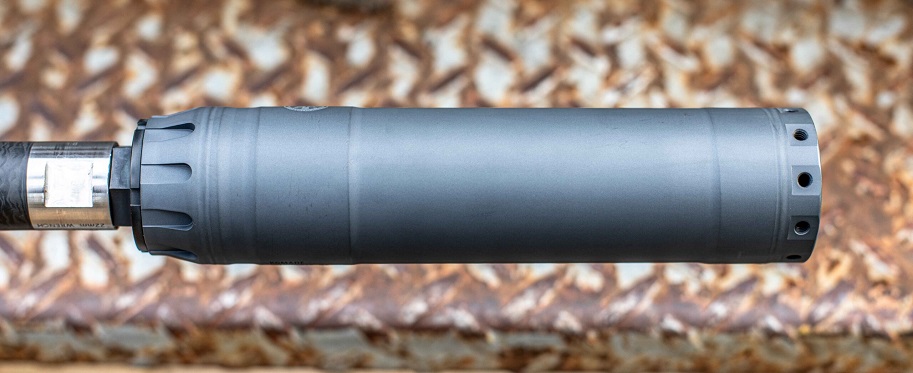
At its core, an acoustic device functions much like a high-grade automotive muffler or an industrial expansion chamber. High-pressure combustion gases exit the firearm barrel directly into a contained external cylinder housing a series of internal baffles. These precision internal structures slow down, divert, and cool the rapidly expanding gas stream before it spills into the surrounding environment.
While cinematic media often falsely portrays firearms as completely silent, a silencer actually works by lowering the peak sound pressure level from a hazardous 160 decibels or higher down to approximately 130 decibels, which is a substantial reduction that safeguards human hearing without sacrificing projectile velocity or terminal energy.
Choosing a silencer that suits your specific setup guarantees proper thread alignment, consistent point-of-impact stability, minimal backpressure, and optimal gas pressure management across every shooting session. Mounting systems also vary significantly depending on individual operational requirements, host barrel profiles, and firing schedules.
Direct-thread units screw cleanly onto matching barrel muzzle threads, providing a lightweight, streamlined connection that appeals directly to bench-rest shooters and mobile backcountry hunters looking to keep front-end weight to an absolute minimum.
Conversely, quick-detach interfaces utilize dedicated muzzle devices like flash hiders or muzzle brakes, permitting rapid installation and seamless transfer across multiple hosting platforms.
Categorization by Firearm Application
Device configurations correspond directly to the operating pressures, heat outputs, projectile diameters, and cycling characteristics of specific host firearm platforms. Understanding these unique physical demands ensures long-term operational reliability and prevents premature wear on internal componentry.
- Rimfire models focus on ultralight construction and fully serviceable assemblies, efficiently capturing low-volume gas outputs from small-bore calibres while managing heavy lead and carbon buildup.
- Handgun units incorporate integrated Nielsen devices, commonly known as piston boosters, which temporarily decouple the mass of the device to ensure semi-automatic tilt-barrel pistols cycle reliably without jamming.
- Centerfire rifle models are engineered to handle extreme chamber pressures, intense thermal output, and sustained, high-volume firing schedules without structural degradation.
Material composition directly dictates long-term structural durability, overall weight distribution, and thermal resistance during extended use. Modern manufacturing relies heavily on advanced metallurgies. Lightweight titanium alloys provide a superior strength-to-weight ratio with minimal front-end drag, making them ideal for long-range precision rifles and alpine hunting setups where every ounce matters.
Stainless steel builds deliver outstanding structural durability, longevity, and overall value for general range work, training platforms, and multi-host utility. For extreme conditions, nickel-chromium superalloys like Inconel offer exceptional resistance to high-heat thermal erosion, making them the top choice for heavy-duty, rapid-fire, and continuous hard-use applications.
Selecting the proper inner baffle architecture, whether traditional clipped cone designs or modern flow-through gas channels, further optimizes recoil control, ejection port blowback, and decibel reduction across different calibre families.
Key Selection Advice and Field Integration
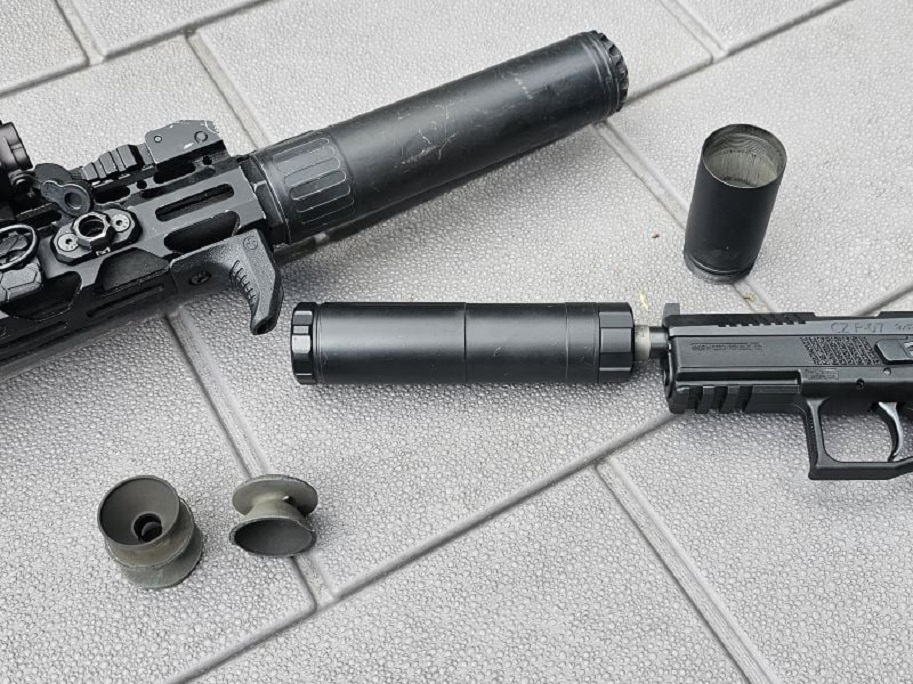
Selecting the ideal suppressor requires aligning physical product specifications directly with your primary shooting activities, host platform requirements, calibre versatility goals, and routine maintenance habits. Careful planning beforehand eliminates guesswork and guarantees seamless compatibility right out of the box.
- Match the rated pressure capabilities of the unit directly to your highest-energy target calibre.
- Verify barrel thread pitches and check internal bore alignment using a dedicated alignment rod before firing.
- Select user-serviceable assemblies featuring removable internal baffles when shooting rimfire or unjacketed lead ammunition.
- Choose fully welded, sealed housings when running clean, high-velocity centerfire rifle cartridges.
- Inspect internal baffle surfaces periodically for carbon buildup to preserve volume and maintain long-term structural integrity.
Sounding Off on the Right Note
Integrating sound-dampening technology into your gear lineup fundamentally elevates every aspect of range work and field pursuits. By mitigating harsh concussive blasts, preserving auditory health, minimizing environmental noise footprint, and enhancing shot placement consistency, these functional accessories provide a refined, highly controlled shooting experience for marksmen of all skill levels.
Taking the time to evaluate host compatibility, structural material advantages, and maintenance requirements ensures that your investment continues to perform flawlessly over thousands of rounds.