
Have you ever compared two handheld radios that look almost identical, then noticed one costs three times as much as the other? Most of that gap comes down to who the manufacturer had in mind, and if you pick the wrong type, you could end up with gear you can’t legally use for work or a pile of features you’ll never touch.
With an amateur radio, you can explore a huge range of frequencies and talk to people across the country, while professional models suit work crews who want tough hardware and simple controls anyone can pick up. The right choice for you depends on who you want to talk to, how far away they are and if you hold an amateur licence or plan to write the exam soon.
The Case for Amateur Radios
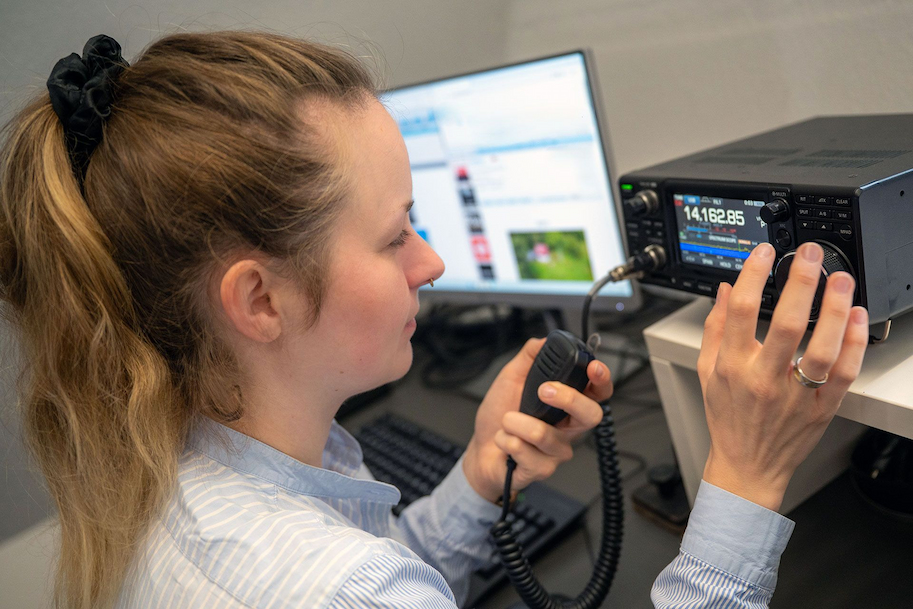
If you like learning new skills and talking to people well beyond your town, this option has a lot going for it. With a responsive and clear-sounding amateur radio, you can reach operators across Canada and around the world, often for less than you’d expect to spend. You do have to earn a licence before you transmit, but most people find the payoff well worth the study time.
Talk Across Town or Across an Ocean
On most amateur radios, you can tune to any frequency inside a band instead of choosing from a short list of preset channels. Handheld and mobile models usually cover the 2 m and 70 cm bands (named for the length of their radio waves), which local operators use to chat around town.
Through a repeater, a station on a hilltop or tower that picks up your signal and resends it at higher power, you can often reach people 50 km or more away with a small handheld. Step up to an HF (high frequency) transceiver and you can try the long-distance bands, where your signal bounces off the upper atmosphere. With a simple wire antenna between two trees, you can reach operators in Europe, Japan or Australia from your backyard when conditions line up.
Get More Features for Your Money
You’ll find a surprising number of features in amateur gear for the price. A dual-band handheld from a well-known brand usually costs a fraction of what you’d pay for a comparable commercial model. Spend a little more on a mobile radio and you can get digital voice, GPS position sharing and Bluetooth for hands-free talking in the truck. If you’re on a budget, you can start with a handheld and add a mobile unit or HF base station later as your interests grow.
Tinker, Build and Experiment
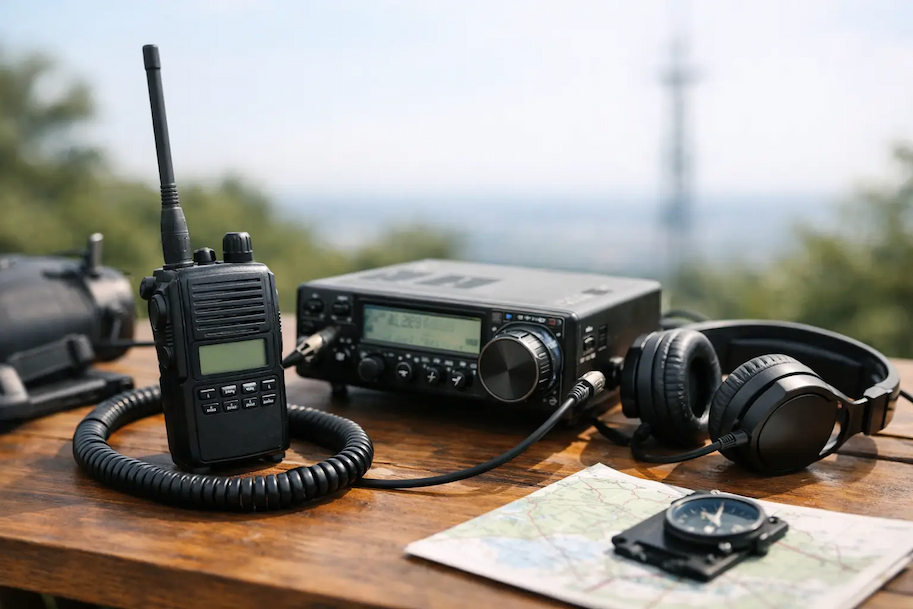
Amateur radio is one of the few services where you can legally program, modify and even build your own equipment. Even with a Basic licence, you can program channels from the keypad or a computer, build your own antennas and try a digital mode called FT8. With FT8, you can make contacts thousands of kilometres away on just a few watts of power.
Once you earn the Advanced qualification in Canada, you can design and build your own transmitter from scratch. Some operators even talk through amateur satellites or make contact with the radio station on board the International Space Station.
Join a Community That Helps When It Counts
When wildfires, floods or ice storms knock out cell service, licensed amateur operators (or hams) often pass messages between emergency crews, shelters and families.
Many local clubs run weekly nets, where members check in on the air at a set time and you can practise relaying information and get comfortable on the mic. Clubs also host licence classes, antenna days and field events, so you’ll rarely have to figure things out on your own. For a lot of new operators, the friends they meet on the air turn into the best part of the hobby.
Getting Your Licence Is Easier Than You Think
In Canada, you only have to pass one test to get on the air: the Basic Qualification exam through Innovation, Science and Economic Development Canada (ISED). It has 100 multiple-choice questions, and a score of 70% earns you access to all amateur bands above 30 MHz.
Score 80% or higher and you’ll earn Basic with Honours, which adds the HF bands for long-distance contacts. You don’t need to learn Morse code, and your certificate never expires or costs a yearly fee. A few weeks of study can open up a hobby you’ll enjoy for life.
The Case for Professional Radios
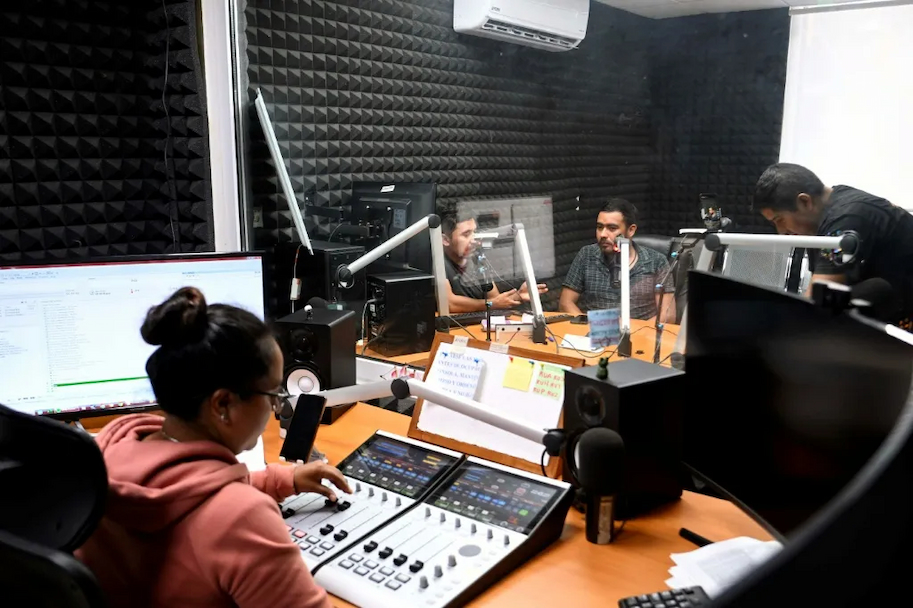
Professional radios, which many people call commercial or land mobile radios (LMR), cover a different set of needs. If you run a crew, a farm, an event or a security team, a professional radio will usually suit you better than a ham rig. You give up some flexibility, but you get gear that anyone on your team can use legally on day one.
Tougher Hardware for Rough Jobs
Manufacturers design commercial radios for people who drop them on concrete, work in the rain and spend all day in dust or snow. Many models meet IP67 or IP68 ratings, and for IP67, the manufacturer tests the radio under 1 m of water for 30 minutes. You’ll also find bigger knobs and buttons you can use with work gloves on. Most come with batteries that have enough capacity for a full 10 to 12-hour shift, so your crew won’t have to hunt for a charger at lunch.
Your Whole Team Can Use Them
On the amateur side, every person who transmits has to hold their own licence, so you can’t hand a spare handheld to a new hire or a relative who hasn’t passed the exam. With a professional system, your business holds one radio licence from ISED for its frequencies, and anyone you authorise can pick up a radio and start talking. That means you can hand out radios to seasonal staff or event volunteers with a two-minute lesson at the gate.
You Can Legally Use Them for Business
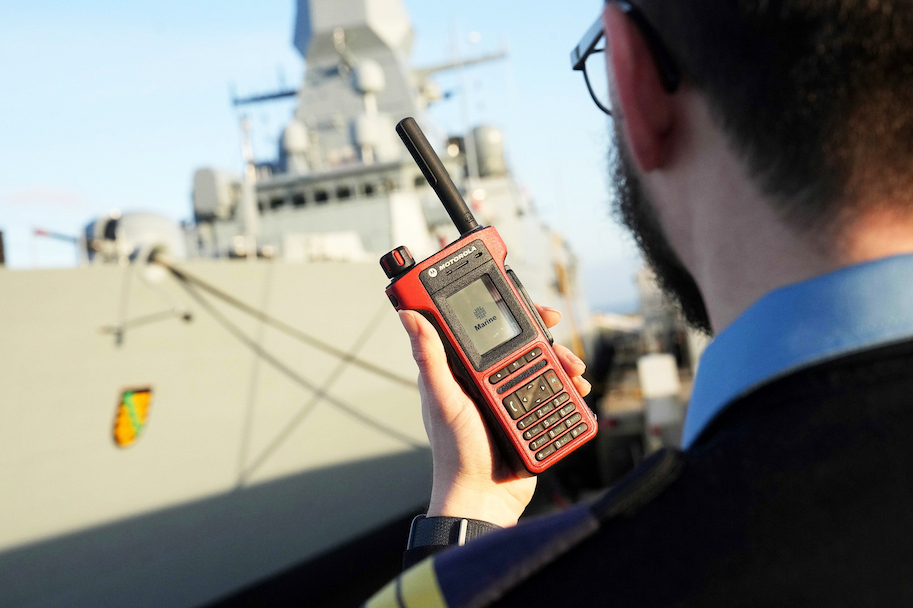
Canada’s amateur rules don’t allow business communication on ham bands. You can’t dispatch trucks, coordinate a jobsite or take customer orders over them, even if everyone on the channel holds a licence. Professional radios use frequencies that ISED sets aside for exactly that kind of work. Because ISED also tracks who uses each business frequency in your area, you’ll usually hear less chatter from strangers than you would on shared bands.
Keep Your Conversations Private
Anyone with a scanner can tune in to ham conversations, since amateur rules ban codes or encryption that hide a message’s meaning. Many digital professional radios include scrambling or encryption. That feature matters when you’re sharing customer details, security updates or anything you’d rather not broadcast to the whole neighbourhood.
Simple Controls and Safety Features
A dealer usually programs your professional radios ahead of time, and you can lock the settings so nobody ends up on the wrong channel mid-job. Most models have a channel knob, a volume knob and a push-to-talk button, so your team won’t have to dig through menus. Higher-end units include an emergency button, GPS tracking and lone worker or man-down alerts that send a warning to a supervisor if someone falls or stops moving. If your staff work alone in remote spots, you’ll get word much sooner when something goes wrong.