
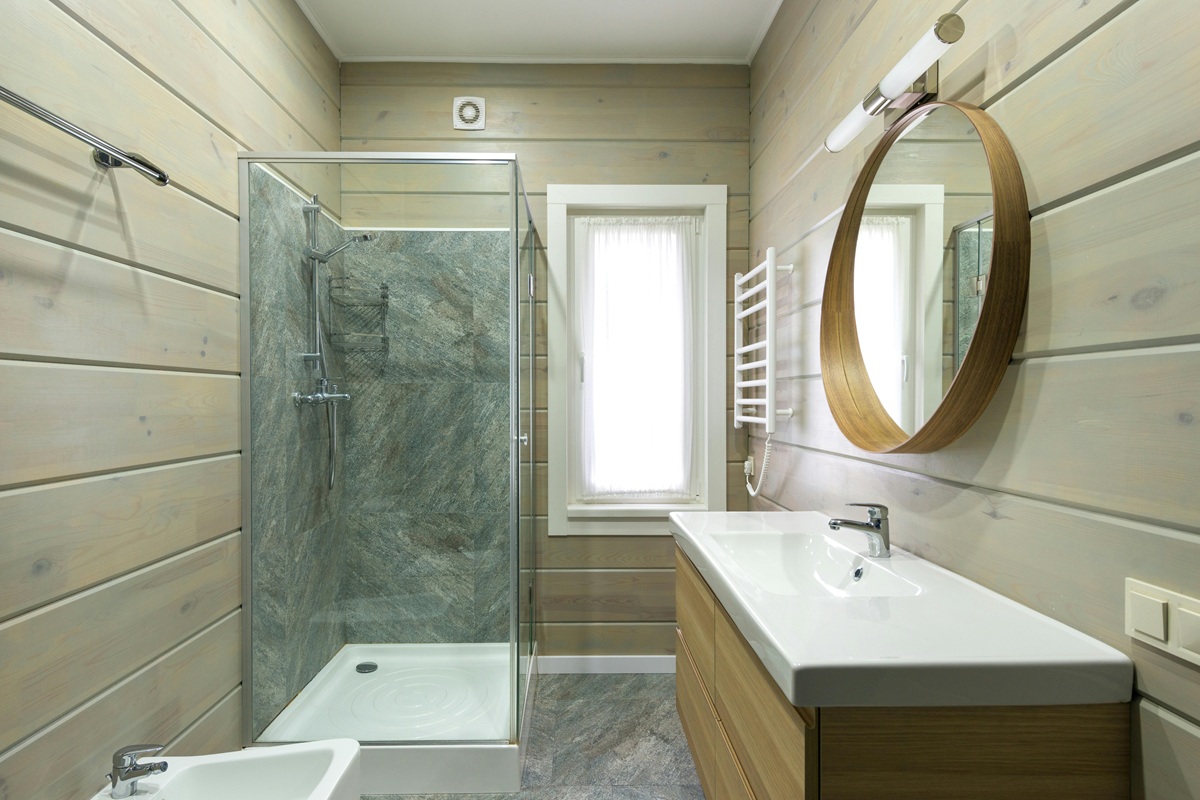
Is your shower showing signs of wear, like peeling grout, water stains, or mould that keeps coming back, no matter how often you clean? If you’re planning a bathroom refresh, you’ve likely come across two popular solutions: shower wall liners and shower panels. At first glance, they may seem similar, but the right choice can make a huge difference in durability, style, and long-term maintenance.
Key Differences at a Glance
Although shower wall liners and shower panels are often used interchangeably, they differ in purpose, construction, and overall performance. Understanding these distinctions makes it much easier to choose the right option for your bathroom renovation.
If you’re looking to create a low-maintenance bathroom, durable and elegant shower wall panels offer a practical option. Being usually thicker and more rigid, they are designed to serve as the main waterproof wall system rather than simply acting as a covering. Panels are available in a wide range of finishes, including marble-look, stone textures, and modern matte designs, offering a more premium appearance.
Shower wall liners, on the other hand, are typically thinner sheets designed to cover existing surfaces such as tiles, plaster, or cement board. They are a practical solution when you want to refresh an outdated shower without removing the underlying wall material. Liners are generally more affordable and quicker to install, making them a popular choice for budget-conscious remodels.
Materials Used
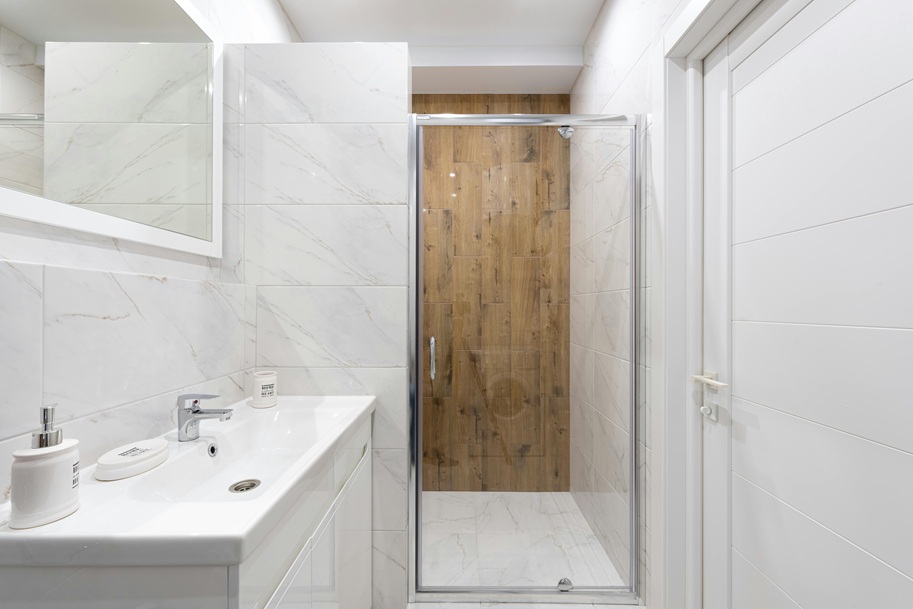
The materials used in shower wall liners and panels play a major role in how they look, feel, and perform over time. Each material offers a different balance of durability, maintenance, and visual appeal.
Wall liners are commonly made from lightweight materials such as PVC, acrylic, or fibreglass-reinforced plastic (FRP). These materials are water-resistant, easy to handle, and relatively affordable. Because they are thinner and more flexible, liners are ideal for covering existing surfaces and creating a fresh, clean appearance without major construction work.
Bathroom wall panels are often manufactured from thicker and more robust materials. Popular choices include high-pressure laminate, solid PVC, acrylic, and composite boards with waterproof cores. These materials provide excellent resistance to moisture, impacts, and scratches, making them well-suited for busy family bathrooms and long-term use.
Wet wall panels are valued for their glossy finish and seamless look, while laminate options can mimic natural stone, timber, or concrete with impressive realism. Solid PVC panels are lightweight yet durable and are often chosen for their affordability and low maintenance requirements.
When comparing materials, consider not only appearance but also thickness, structural strength, and warranty coverage. Higher-quality materials may cost more upfront, but offer greater durability, easier maintenance, and a more refined finish that enhances your bathroom’s overall look.
Appearance and Design Flexibility
If creating a bathroom that reflects your personal taste is a priority, shower wall panels provide far more options to work with. They are available in a wide range of colours, textures, and finishes. Popular options include marble-look, stone-effect, concrete-inspired, timber-grain, matte, and high-gloss surfaces. Many modern shower wall panels for sale are designed to mimic natural materials with impressive realism, allowing homeowners to achieve a luxurious look without the cost or maintenance of real stone or tile.
Panels also offer greater customisation. You can choose bold feature walls, neutral spa-inspired tones, or sleek contemporary finishes that complement your tapware and overall décor. Because they can be cut to size and joined neatly, panels are suitable for both standard showers and unique layouts.
Wall liners are usually available in simple, high-gloss white finishes. Their clean, seamless appearance suits minimalist or budget-friendly bathrooms, but design options are often limited. While some acrylic liners include subtle tile patterns or moulded shelving, they generally prioritise practicality over aesthetics.
Durability and Lifespan
When investing in a bathroom upgrade, durability is one of the most important factors to consider. Liners and panels are both designed to resist moisture, but their lifespan can vary depending on the materials used and the quality of installation.
Wall liners are typically thinner and more flexible, which makes them practical for quick renovations. With proper care, they can last 10 to 15 years. However, they may be more susceptible to scratches, dents, or discolouration over time, especially in heavily used bathrooms.
On the other hand, wall panels are generally thicker and more robust, giving them an edge in long-term performance. High-quality choices made from acrylic, laminate, or composite materials can last 20 years or more. They are better equipped to withstand daily wear, impacts, and temperature fluctuations.
Maintenance Requirements
One of the biggest advantages of both shower wall liners and panels is their low-maintenance design. Unlike traditional tiles, they have minimal or no grout lines, which means fewer places for mould, mildew, and soap scum to accumulate.
Routine cleaning is simple. A soft cloth and a non-abrasive bathroom cleaner are usually all that’s needed to keep the surfaces looking fresh. Shower wall liners may be slightly more prone to scratches if harsh scrubbers are used, while thicker panels generally offer better resistance to everyday wear.
Cost Comparison
When it comes to upfront cost, liners are usually the more budget-friendly option. Basic acrylic liners for standard shower sizes often start at lower price points, making them attractive for quick renovations, rental properties, or homeowners looking to minimise expenses.
Shower wall panels generally cost more initially, especially when you choose premium finishes such as marble-look or stone-effect designs. However, the higher price often reflects better durability, greater design flexibility, and a more upscale appearance. Both options are usually more cost-effective to install than traditional tiling, thanks to faster installation and reduced labour.