
Fuel site managers do not get much room for guesswork, especially when tank levels, water intrusion, leak alarms, and compliance records all affect daily operations. A tank monitoring system should help you catch problems early, plan fuel deliveries with less stress, and give your team information they can act on without digging through confusing menus.
For many operators, a reliable Omntec tank monitoring system enters the conversation because it can handle the core jobs that matter most: tank gauging, leak detection, water monitoring, and alarm reporting. Veeder-Root brings a much larger name to the table, so the better choice depends on your site size, service network, budget, and how much control you want from the system.
The Case for Omntec Monitoring Systems
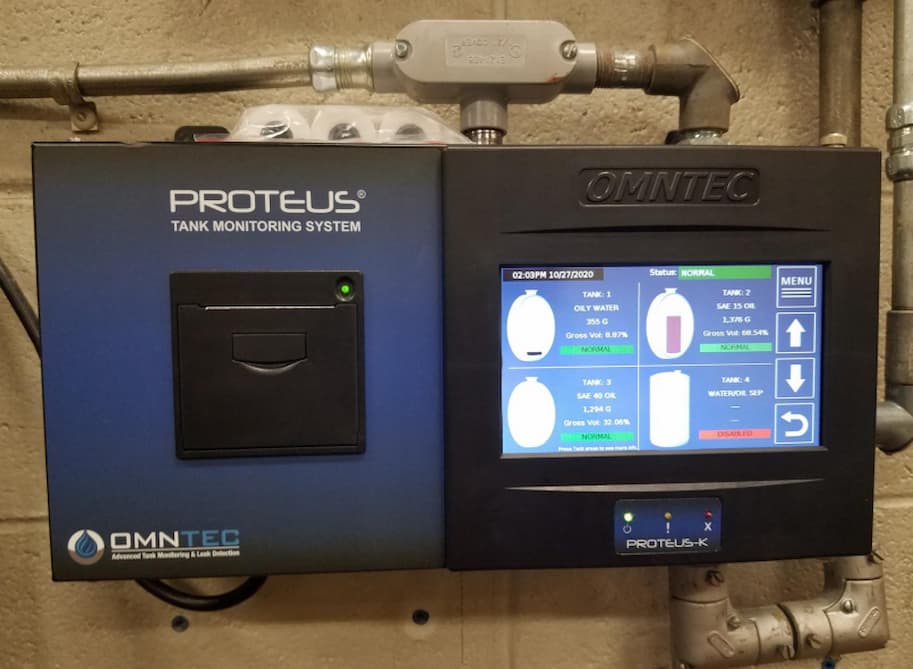
Omntec often appeals to owners who want capable monitoring without turning the whole site into a complicated tech project. Its systems focus on the daily tasks that fuel sites care about most, like seeing tank levels, finding water, tracking temperature, and responding to leak alarms.
Simple Controls Help Your Team React Faster
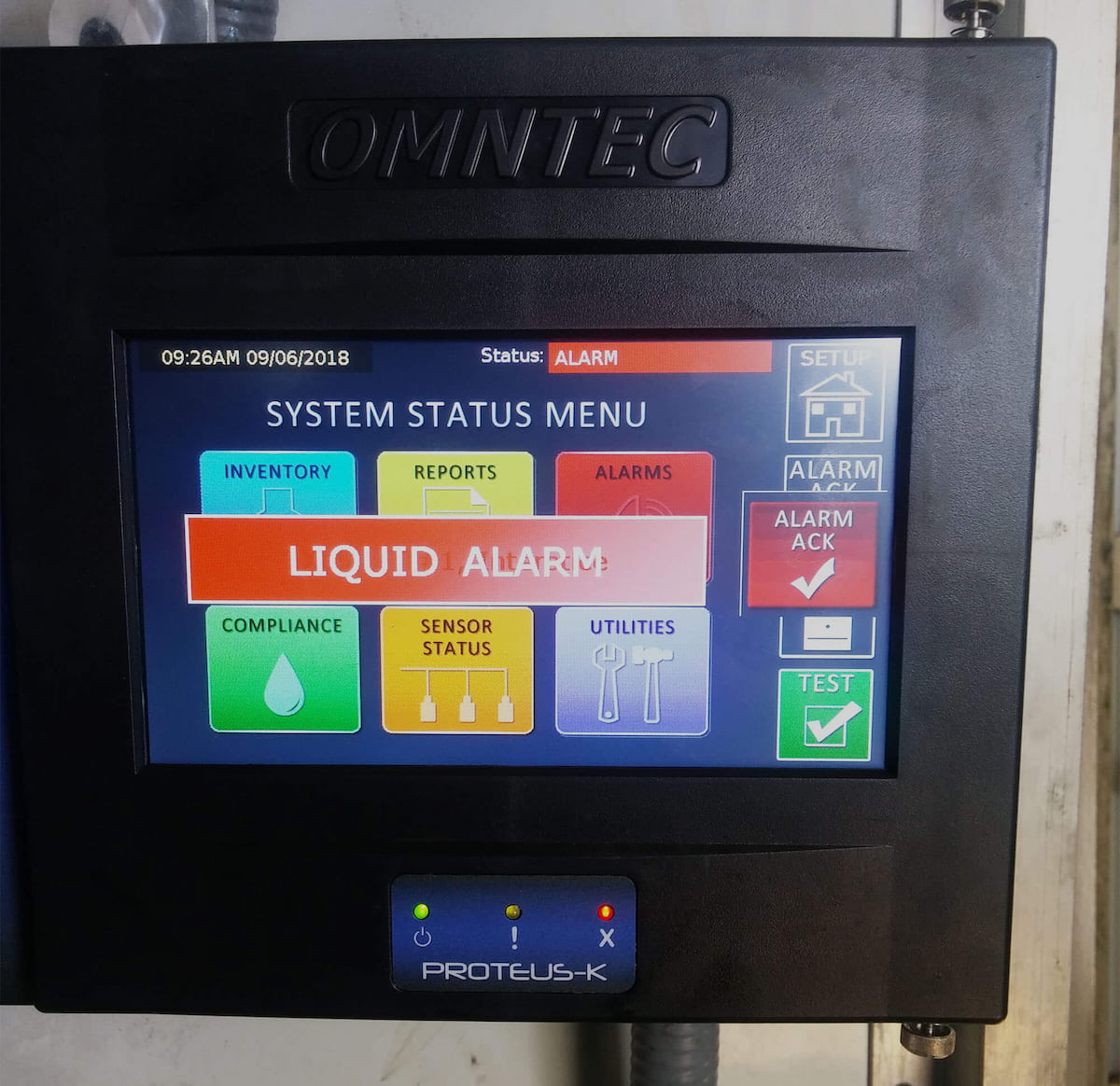
A good tank monitor should not slow your staff down during a busy shift. Omntec systems, including the Proteus line, use touch-screen controls and clear alarm displays so trained users can check issues without calling a technician for every small question.
That matters when an alarm sounds during delivery, after hours, or while staff handle customers. If your team can find the tank, sensor, and alarm type fast, you reduce the chance of a missed issue or a poor response.
Flexible Monitoring for Smaller and Mid-Size Sites
Omntec works well for many gas stations, fleet yards, commercial fueling sites, marinas, generator fuel tanks, and facilities that do not need a huge networked setup. Some Omntec systems can monitor several tanks at once, which gives owners room to cover diesel, gasoline, waste oil, DEF, or other stored liquids based on the site setup.
That flexibility helps when your site has mixed tanks or plans to add more monitoring points later. You can start with the setup you need now and avoid paying for a system built for a much larger operation.
Useful Leak and Liquid Detection Options
Omntec’s Bright Eye sensor technology gives operators a useful advantage because certain sensors can tell the difference between hydrocarbons and water. That helps your team understand the type of issue instead of treating every liquid alarm the same way.
For example, water in a sump calls for a different response than fuel in a containment area. A system that helps separate those problems can save time, reduce confusion, and support cleaner records for inspections.
Lower Installation Burden Can Matter
Installation cost can change the whole buying decision. Omntec’s sensor network design can reduce wiring needs in some setups, which may help control labour costs and downtime.
That does not mean every Omntec project costs less. Site layout, trenching, sensors, probes, and local service rates still matter, but simpler wiring can help on sites where access is tight or upgrades need to happen without shutting down operations for too long.
A Good Fit for Operators Who Want Focused Control
Omntec makes sense when you want a tank monitoring system that handles the work without extra layers you may never use. If your main goals are compliance support, tank levels, leak detection, and clear alarms, Omntec can be a practical choice.
It can also work well for owners who like direct support from a more focused manufacturer. For some businesses, that matters more than having the most widely known brand on the market.
The Case for Veeder-Root Monitoring Systems
Veeder-Root has a long history in fuel site monitoring, and many contractors know its products well. That brand reach can help when you manage several locations, rely on outside service teams, or need a system that connects with a wider fuel management setup.
Wide Dealer and Service Familiarity
One of Veeder-Root’s biggest advantages is simple: many technicians already know it. If you run stations across different regions, you may find it easier to locate certified service, replacement parts, and installation support.
That can reduce downtime when something fails. It can also make training easier if your team has already used Veeder-Root at another site.
Scales Well for Larger Fuel Networks
Veeder-Root fits larger operations that need more than basic tank readings and leak alarms. Its TLS systems can support advanced fuel management, remote access, reporting, probes, sensors, and connected site data.
That can help owners who track fuel across multiple locations or need more detailed reporting for management teams. If you operate a chain, distributor network, or high-volume commercial site, Veeder-Root may give you more room to grow.
Broad Sensor and Equipment Options
Veeder-Root also has a wide range of sensors and related fuel equipment. That includes options for sump monitoring, interstitial spaces, monitoring wells, line leak detection, and probes for inventory data.
This broad product family can help when you want one brand across several parts of the fuel system. It can also make sense if your site already uses Veeder-Root or related equipment, since adding compatible parts may reduce friction during an upgrade.
Better Fit for Data-Heavy Operations
Some operators want deeper reporting, remote access, and site-level data that managers can check without visiting the property. Veeder-Root has a clear edge for businesses that value dashboards, connected tools, and fuel asset management.
This does not mean every site needs those features. A single-location owner may not use half of them, but a regional operator might rely on them every day.
A Safer Pick for Standardisation
If your company wants the same monitoring setup across many locations, Veeder-Root can be easier to standardize. Many fuel contractors, compliance teams, and service providers already understand the TLS platform.
That makes it a practical pick for businesses that care about repeatable training, shared reporting, and a familiar service process. The tradeoff is that smaller sites may pay for more system depth than they actually need.
The Verdict
Omntec wins for operators who want clear tank and leak monitoring, practical controls, useful liquid detection, and a setup that can suit small to mid-size sites without adding too much complexity. It is a smart choice when you care about direct day-to-day use, focused features, and a system your team can understand quickly.
Veeder-Root wins for larger, multi-site, and data-heavy operations that need broad service coverage, advanced reporting, and a familiar platform many contractors already support. It can also be the better route if your site already uses Veeder-Root equipment or your company wants one standard system across several properties.
For most buyers, the debate should not end with the brand name. Match the system to your tanks, sensors, compliance needs, staff skill level, service access, and future plans, then choose the one that solves your real problems with the least friction.