

Driving conditions can change quickly, and small exterior accessories can make a noticeable difference in everyday comfort. Wind deflectors are designed to manage airflow around a vehicle’s windows, helping reduce turbulence, control exterior noise, and improve ventilation for drivers even when weather conditions are less favourable.
A rain visor is one of the most common types of window-mounted wind protection accessories. It works by extending over the upper edge of the window, redirecting rain and airflow away from the opening while allowing fresh air to enter the cabin. This makes it especially useful during light rain, humid conditions, or situations where drivers want ventilation without fully lowering their windows.
Most window deflectors fall into a few main categories. In-channel designs fit inside the window channel for a cleaner appearance and rely on the existing window frame for support. Tape-on versions attach to the exterior surface around the window frame using automotive-grade adhesive, offering broad compatibility across different vehicle designs.
Some models focus more heavily on aerodynamic shaping, using a lower-profile design intended to minimize wind resistance and noise. The right rain visor for car window depends on the vehicle, installation preferences, and the conditions in which it will be used.
Reading the Air Around Your Vehicle

Selecting a window deflector is not only about appearance. Different drivers have different priorities depending on where and how they drive. Someone who regularly travels on highways may value reduced wind noise, while a driver in a rainy climate may prioritize ventilation without exposing the cabin to moisture.
A rain visor for car window should match the vehicle’s window shape and mounting area to ensure proper alignment. Poor fit can affect performance by creating gaps where airflow becomes more turbulent or where water can enter. Material quality also plays an important role, as these accessories are exposed to sunlight, temperature changes, road debris, and repeated weather conditions.
Most modern designs are manufactured from durable acrylic or similar transparent polymers because these materials combine strength, flexibility, and resistance to outdoor exposure. They are typically tinted to reduce glare while maintaining visibility around the vehicle.
Before choosing a design, drivers should also consider how often they use their windscreens, the climate they drive in, and whether they prefer a subtle factory-style appearance or a more noticeable exterior addition. A well-selected visor can improve comfort without changing the vehicle’s normal operation.
Built for Fit, Form, and Function
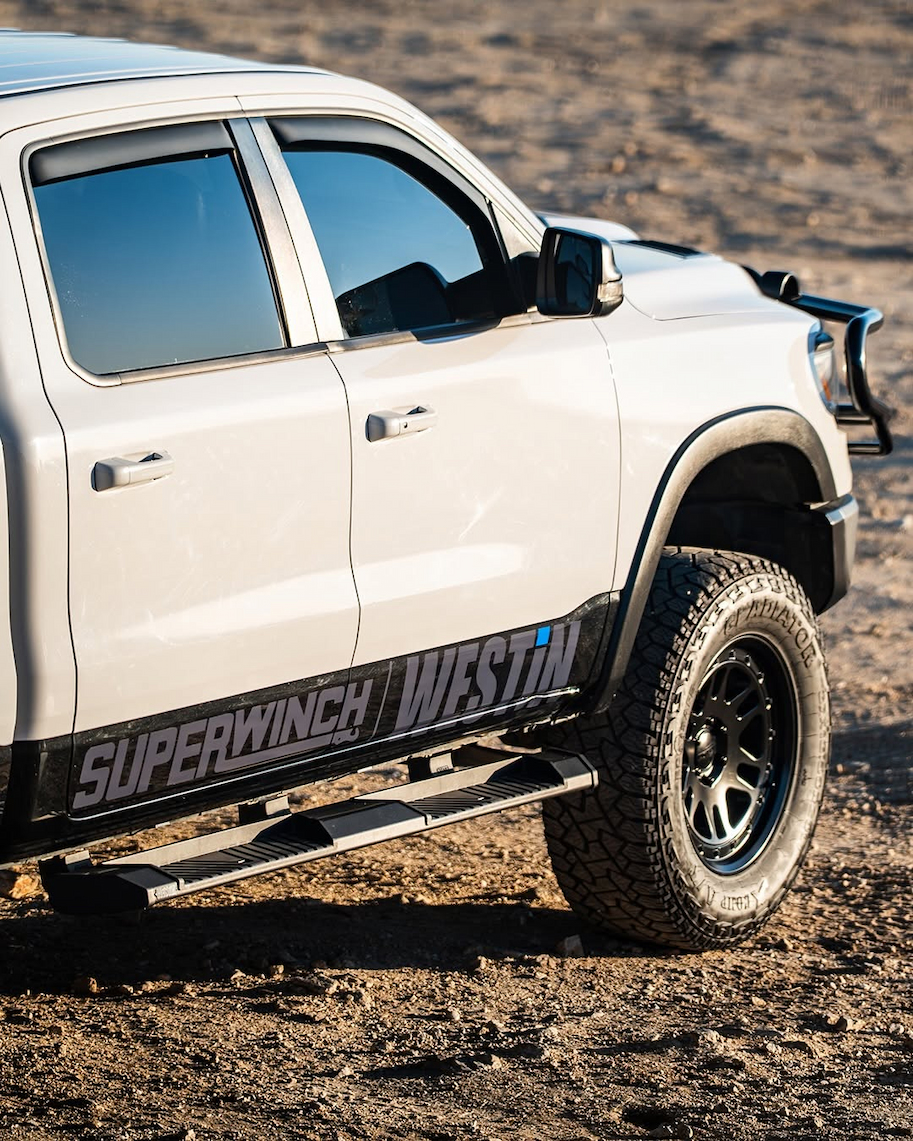
The effectiveness of window deflectors comes from their ability to influence airflow. When a vehicle moves, air pressure changes around the cabin, often creating turbulence near open windows. A properly designed deflector changes the airflow’s path, helping reduce the amount of wind entering directly into the cabin.
This can make ventilation more comfortable because drivers can partially open windows while limiting excessive noise and strong drafts. In rainy conditions, the extended edge also helps prevent water from flowing directly into the interior.
Window deflectors can also contribute to a more relaxed driving environment by reducing the need for frequent adjustments during changing weather. Their simple design allows drivers to maintain airflow while keeping greater control over cabin conditions, making them a practical addition for those who value comfort throughout different seasons.
Installation methods vary depending on the design. In-channel models generally sit within the upper window channel, while adhesive-mounted versions attach around the outside edge of the frame.
Both approaches have advantages. In-channel designs often provide a streamlined appearance, while external mounting can offer flexibility across a wider range of vehicles.
Maintenance is relatively simple. Regular cleaning removes dust, road grime, and environmental buildup that can affect appearance and visibility. Harsh chemicals or abrasive materials should be avoided because they may damage the surface finish over time.
Before You Decide

Choosing the right window deflector involves considering more than just size and style. Drivers should evaluate how the accessory fits their vehicle, how it will be used, and what benefits matter most for their driving environment.
- Confirm compatibility carefully before installation to ensure the design matches the vehicle’s window shape and mounting area.
- Consider weather conditions regularly when deciding between different styles, materials, and levels of coverage.
- Evaluate installation requirements to understand whether the chosen design suits personal preferences and long-term use.
- Compare material quality and construction rather than focusing only on appearance or initial cost.
A properly selected deflector should provide reliable performance while remaining secure through everyday driving conditions.
Smarter Protection, Smoother Drives

Window wind protection accessories demonstrate how simple exterior additions can improve the overall driving experience. By controlling airflow, reducing unwanted turbulence, and allowing ventilation in changing weather, wind deflectors offer practical benefits without requiring major vehicle modifications.
Understanding how different car wind protectors work helps drivers make better choices based on their habits, climate, and vehicle requirements. Whether the priority is comfort during long-distance travel or better cabin ventilation during unpredictable weather, the right window protection accessory can make daily journeys more enjoyable and practical.