
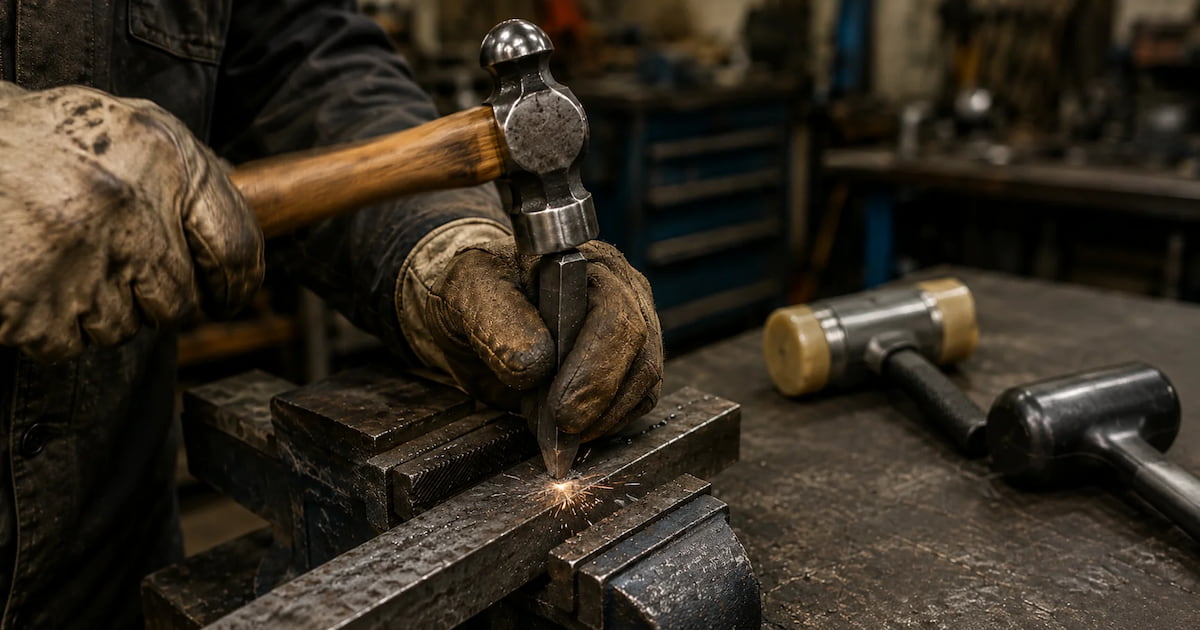
Farriery is a craft that relies on skill, experience and of course, the right tools for each stage of the job. While many tools have a single purpose, hammers are designed with specific tasks in mind. Driving hammers and rounding hammers may look similar at first glance, but they have very different roles. Understanding what sets them apart offers a better appreciation of the precision involved in farriery.
What Is a Driving Hammer?
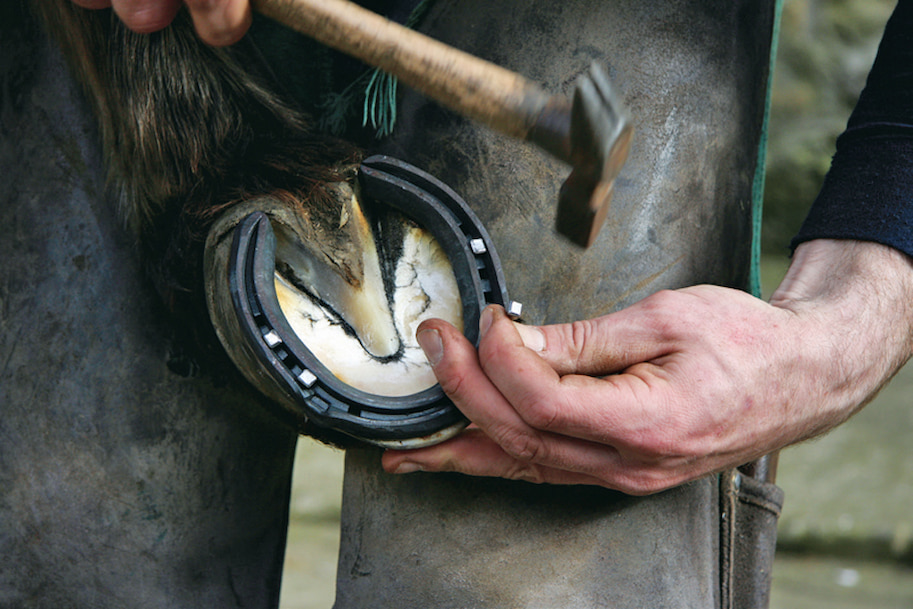
The driving hammer is one of the most recognizable tools in this craft. It’s designed for driving horseshoe nails accurately into the hoof. It’s built for precision and control. Each strike the farrier makes is deliberate and uses no unnecessary force. This precise farrier hammer has a small striking face, helping farriers hit the nail accurately.
Some designs have a claw on the other side that’s used to remove nails or make small adjustments. This combo makes the tool a practical thing to have throughout the fitting process. This hammer is lighter than a forging one, so it reduces fatigue during repetitive work. But it still has enough power to provide good nail placement.
The balance of the hammer is just as important as its weight because it helps maintain consistency and accuracy during longer working periods. A driving hammer is used directly on the hoof, so precision is of great importance. Every strike means a secure placement, making this tool a wonderful addition to the whole process.
What Is a Rounding Hammer?
The rounded hammer has a completely different purpose than the driving hammer. Its main goal is to shape and modify horseshoes at the anvil. It doesn’t have to do anything with nails. It has a rounded face designed to smoothly move hot metal. This allows the farrier to create curves, make adjustments and refine the shoe’s shape.
Because it has a broader striking surface, the force is distributed more evenly, allowing the farrier to make controlled adjustments without leaving harsh marks on the metal. These hammers are heavier, but their design is perfect for shaping and maintaining a comfortable working rhythm during longer sessions.
It’s very important to have this tool if you want to make horseshoes that fit the animals correctly. Small adjustments during forging can make a significant difference to the finished result, and the hammer’s rounded face will help you create these refined finishes.
Head Design: Precision vs Shaping
The most obvious difference between these two hammers is the shape of the head. Driving hammers have a smaller striking face that concentrates the force onto the nail head. This way you can deliver strong and accurate blows, and there’s less chance of hitting the surrounding areas.
There’s also the claw on the other side, which is useful when you need to remove nails or make quick adjustments. A rounding farrier hammer, on the other hand, has a broader face that spreads impact across the metal. It allows for smooth movement of the heated metal, making it easier to shape and refine horseshoes.
The balance of each hammer is carefully considered as well. A driving hammer is all about accuracy and control, and a rounding one is perfect for controlled forging movements. These design differences are very important and have a big impact on how the tools perform in daily farrier work.
When Each Hammer Is Used
Both of these hammers are used during horseshoe work, but at different stages. It’s usually the rounding hammer that comes first because it helps you prepare the horseshoe. This horseshoe hammer helps you at the anvil where you need to adjust or shape the horseshoe to the horse’s needs. With careful forging, it’ll fit better and make the horse more comfortable.
When the horseshoe is ready, it’s time to fit it and secure it in place. This is where the driving hammer comes into play. Its precise striking face allows you to drive nails accurately and consistently while staying in control of the process.
Although their roles are different, the two hammers work together as part of an efficient workflow. One preps the shoe, while the other completes the fitting with accurate nail placement. Having both in your toolbox is essential for any serious farrier who wants to provide the best care for their horses.
Can One Hammer Replace the Other?
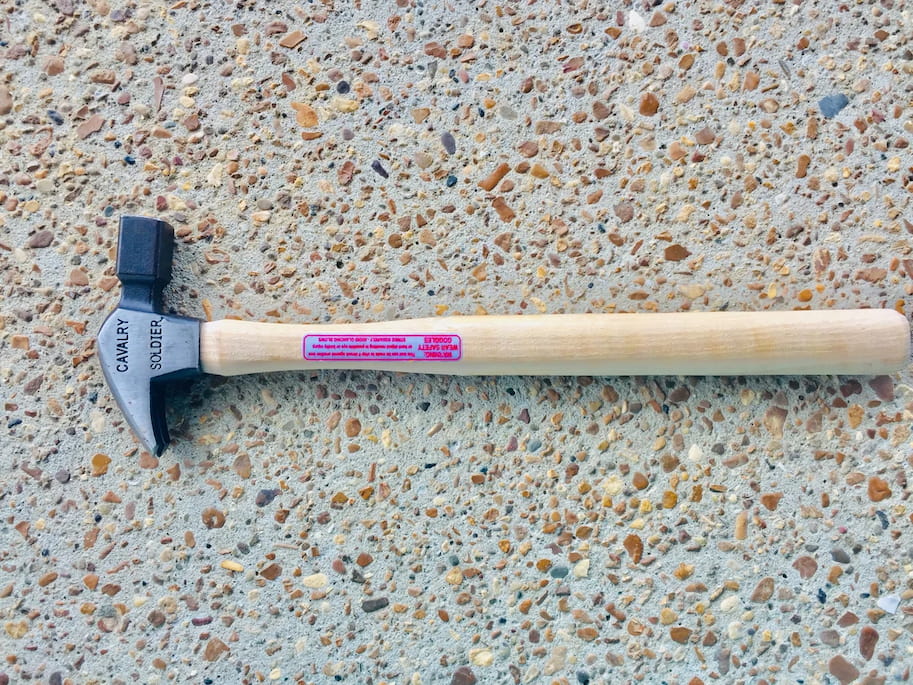
This is only possible for experienced farriers. They can adapt their techniques if needed, but these two hammers are never meant to be interchangeable. Using a driving hammer at the anvil is not very effective. The smaller striking face is not made to shape metal. Similarly, a rounding hammer doesn’t have the focused striking surface to accurately hit nails.
Having the right hammer for each task improves efficiency and helps produce more consistent results. It also reduces unnecessary effort by allowing the tool to perform as intended instead of compensating for a design that is meant for a different purpose. This makes the work simpler while improving control and confidence.
In Summary
Driving hammers and rounding hammers each bring something different to the horseshoeing process. One focuses on precise nail placement, while the other is designed to shape and refine metal before the shoe reaches the hoof. Together, they demonstrate how specialized tools contribute to skilled workmanship. Understanding the purpose of each offers valuable insight into the craftsmanship, care and precision that define professional farriery.