
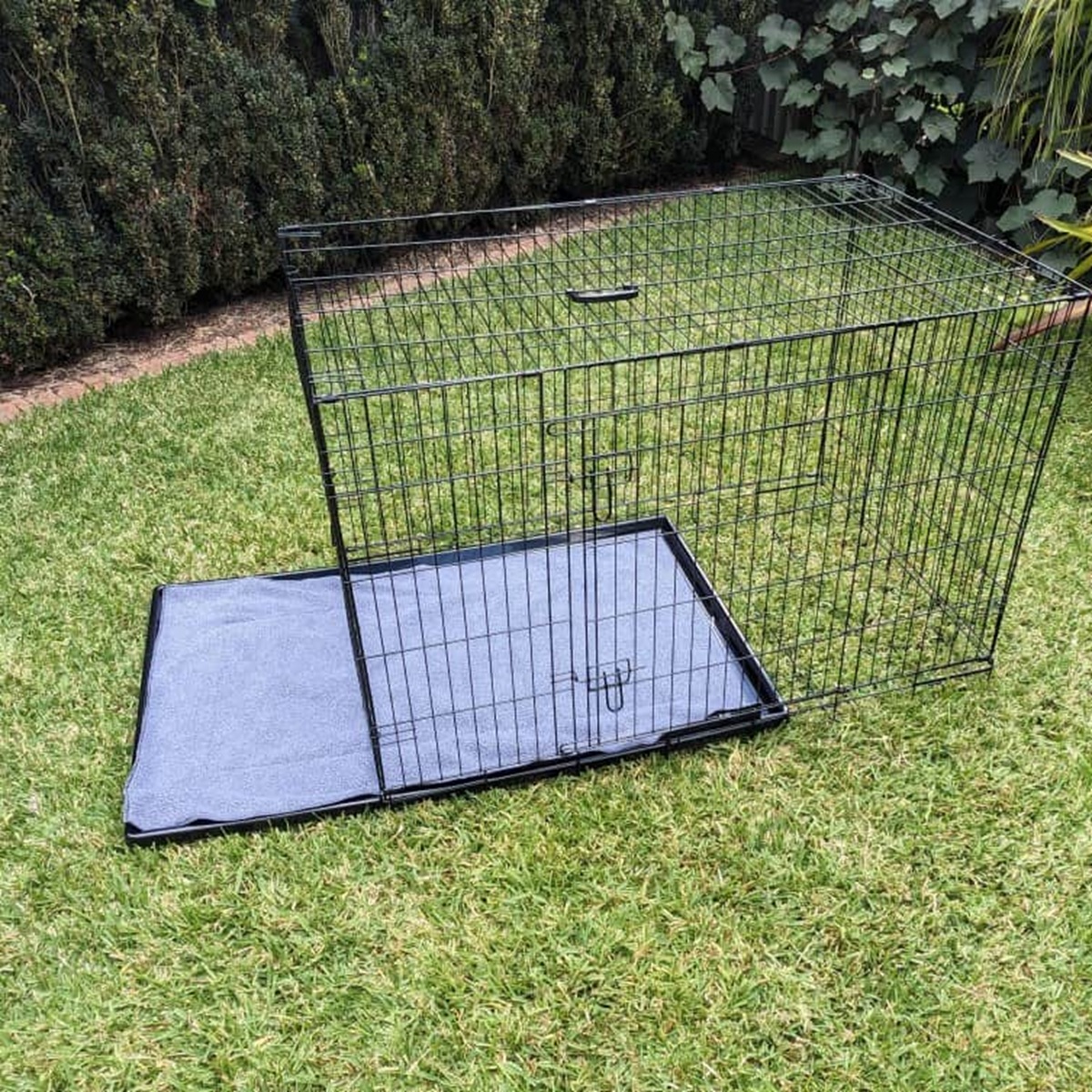
Travel can be exciting for your dog, but unfamiliar surroundings, noise and constant movement can quickly become overwhelming. Having a dedicated space gives your canine somewhere familiar to retreat, relax and feel secure, whether you are on the road or simply taking a break at home. Carriers and crates can both provide this sense of comfort, but they serve different purposes.
Carriers vs. Crates
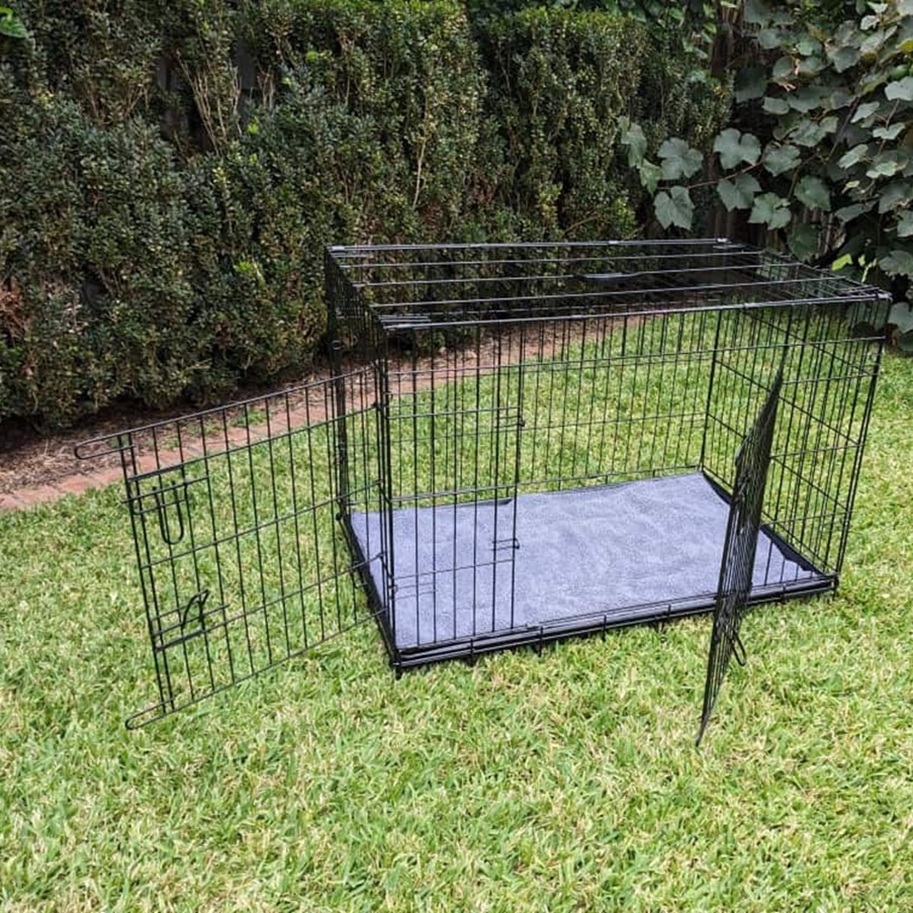
Keep your furry friend comfortable and safe while travelling with a secure dog carrier. Unlike crates, dog carriers are generally made for transport. Their compact, enclosed design makes them convenient for car journeys, public transport, vet visits or short trips. Many designs feature handles, shoulder straps or lightweight construction, making them easier to move while keeping your dog contained.
Crates, on the other hand, are usually intended as a more permanent space for resting, sleeping and training. They tend to offer more room than carriers and can become a familiar part of your dog’s daily routine. Depending on the design, crates may be made from wire, plastic or other sturdy materials and can provide good airflow and visibility.
The key difference comes down to mobility and purpose. A carrier for dogs is ideal when you need to take your dog from one place to another, while a crate can provide a dedicated area for relaxation at home or during longer stays. Some owners may benefit from having both, using a carrier for travel and a crate as their dog’s regular retreat.
Why Carriers and Crates Are Sometimes Categorised Together
Crates and carriers for dogs are often categorised together because they share the same fundamental purpose: providing puppies with a contained, secure space. Although their designs and intended uses can differ, both help keep dogs settled while limiting unnecessary movement. This makes them useful for travel, rest, training and situations where the pet needs its own designated area.
The distinction can also become less obvious because modern designs overlap in features. Some carriers are spacious enough for extended rest, while certain crates are lightweight or portable enough for trips. Both may include ventilation, secure doors, washable surfaces and durable construction, making them suitable for similar situations.
For shoppers, grouping the two can make it easier to compare different options based on a dog’s size, temperament and intended use. However, understanding their individual strengths is still important. A carrier generally prioritises portability, while a crate usually prioritises space, routine and long-term use.
Important Features to Look for
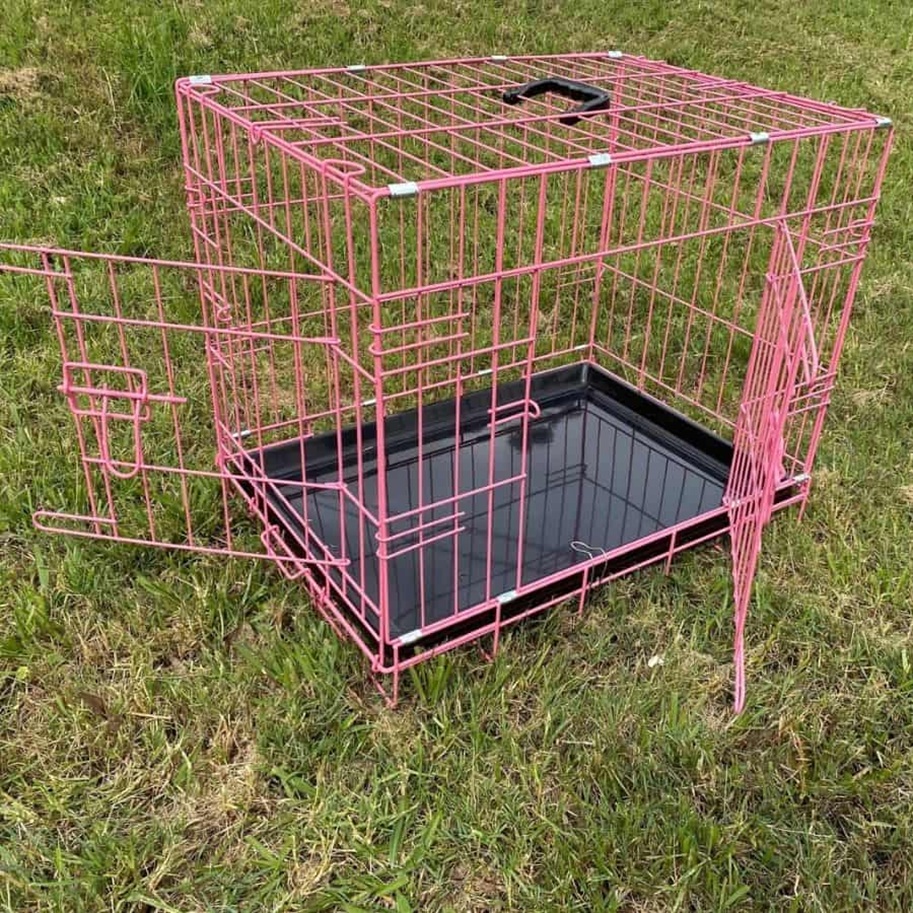
Choosing the right dog carrier or crate involves more than finding one that fits your furry friend. The design should suit your canine’s size, behaviour and routine while providing a practical space for travel or rest. Paying attention to the following features can make your choice much easier.
The Right Size
Size is one of the most important considerations. Your dog should have enough room to stand, turn around and lie down comfortably without the space being excessively large. A carrier that is too small can restrict movement, while an oversized crate may feel less secure. Measure your dog before purchasing and check the product’s recommended dimensions rather than relying solely on breed or weight.
Ventilation and Airflow
Good ventilation helps keep the interior comfortable, particularly during travel. Look for carriers and crates with ventilation openings or mesh panels positioned around the sides. These also allow your dog to see its surroundings, although some dogs may prefer a more enclosed environment. Consider your individual pet’s temperament when deciding how open or enclosed the design should be.
Secure Construction
A reliable enclosure needs to remain securely closed when your dog is inside. Check doors, latches, zippers and locking mechanisms carefully. Active or anxious dogs may try to push, scratch or chew their way out, so sturdy construction and secure fastenings are particularly important. The overall structure should also be stable enough for the intended setting.
Comfort and Interior Space
A carrier or crate should feel like a comfortable retreat rather than simply a means of containment. Look for sufficient interior space and consider whether you can add a suitable mat or washable bedding. A smooth, practical floor can also make cleaning easier. Avoid designs with exposed edges or components that could cause discomfort.
Portability
For carriers, portability is a major advantage. Handles, shoulder straps, wheels or lightweight construction can make transportation considerably easier. Even crates may need to be moved occasionally, so consider their weight and whether they fold for storage. Think about where you will use the enclosure and how frequently it will need to be carried.
Easy Cleaning
Dogs can bring dirt, hair and moisture into their personal space, so easy maintenance matters. Removable trays, washable fabrics and wipe-clean surfaces can simplify regular cleaning. Choose materials that suit your dog’s habits and your routine, particularly if the carrier or crate will be used frequently.
Durability and Practicality
Finally, consider how well the design matches your dog’s behaviour and your intended use. A calm small puppy may require different construction than a strong, energetic chewer. Look for durable materials, reinforced areas and a design that can withstand regular use. The best option combines comfort, security and convenience without making everyday handling unnecessarily difficult.