
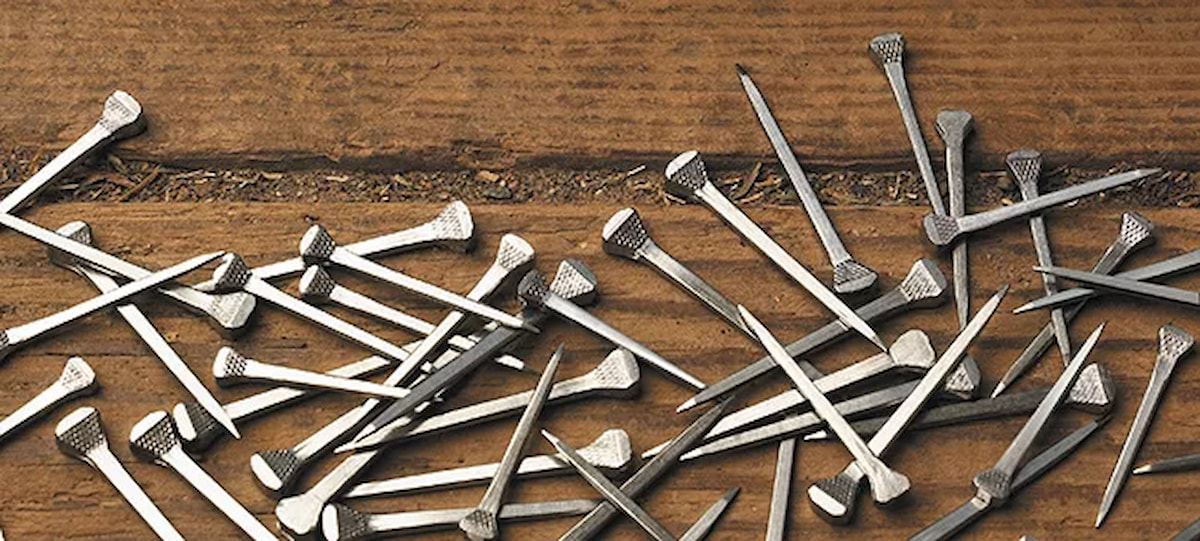
At first glance, horseshoe nails might look like ordinary nails but they’re anything but. These specialized metal fasteners secure horseshoes firmly to a horse’s hooves while protecting the animal from harm. Unlike standard nails, these tools are carefully shaped and engineered to ensure a snug, durable fit that won’t split or damage the hoof. Whether you’re a new rider or an aspiring farrier, understanding the purpose of these tools and the different types is essential. I’ll cover everything beginners need to know about these small but crucial pieces of horse care.
Regular vs Farrier Nails
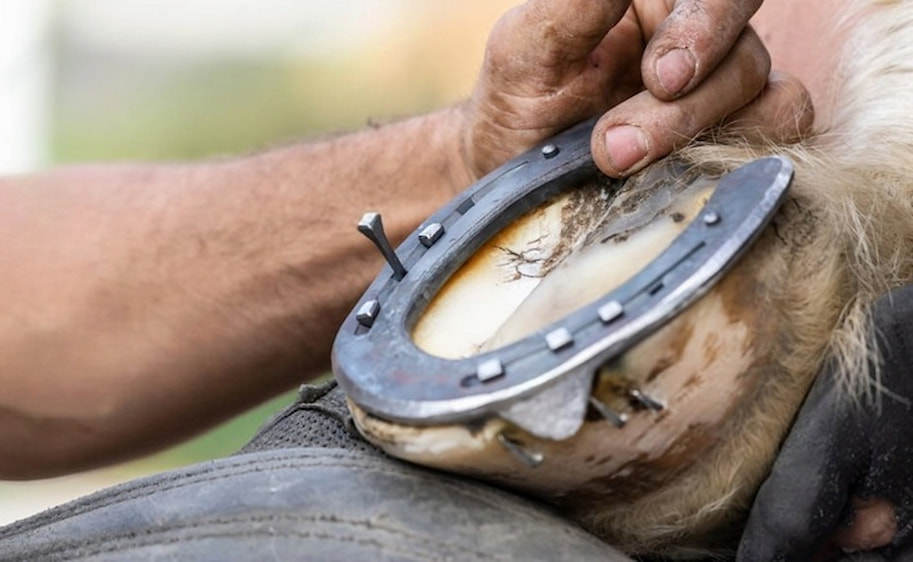
Horse nails are quite different from the standard nails you might find in a toolbox. One of the biggest distinctions lies in their shape. Instead of being flat or simply round, they’re typically designed with a wedge-like form. This specific shape helps them sit securely, keeping the shoe firmly in place during movement.
Because of this design, there’s less risk of the shoe shifting, loosening, or coming off. This is important for the horse’s safety and stability while walking or running. Same as with horseshoe material, the material used also sets nails apart. While ordinary nails are often made from softer metals such as aluminum, these tools are usually crafted from tougher materials like high-carbon steel.
This added strength is necessary because they must withstand the considerable weight of a horse as well as the constant stress created by movement. Another difference comes down to how they’re made. They’re carefully forged to ensure durability and consistency. This allows them to perform reliably in demanding conditions.
Key Considerations When Buying
Brand
When it comes to horse care, the small details matter more than many people realize. Choosing quality nailing for horseshoes from top brands like Capewell, Liberty, Delta, and Mustad can improve safety and performance.
Well-made pieces are designed to drive smoothly through the hoof wall without bending or breaking, which helps farriers work more efficiently and reduces stress on the horse. High-quality options are also manufactured with strong, consistent steel and precise shaping, allowing them to hold the shoe firmly in place even under heavy use.
This reliability is especially important for active animals that are working or competing regularly. Poor-quality pieces, on the other hand, can bend, snap, or fail to secure the shoe properly, which may lead to loose shoes or discomfort for the horse. By sticking with reputable brands known for durability and precision, you give both the farrier and the horse the confidence that every shoeing job will hold up to daily movement and wear.
Shape
What’s the best horseshoe nail shape? Unlike ordinary nails, these are typically designed with a wedge-like profile that helps them grip the hoof wall firmly. Many also feature a slightly outward-angled tip, which guides the piece through the hoof at the proper angle during shoeing. This thoughtful design helps the piece travel safely through the tougher outer wall without reaching the softer, sensitive areas of the hoof.
While the classic wedge design is the most common, there’s also nailing for horseshoes with subtly square or rectangular shapes. Each variation is made to work with different types of hoof structures. Size matters just as much as shape. Lighter shoes generally pair better with smaller nails, while larger, heavier shoes require stronger, bigger ones to hold everything securely in place during movement.
Materials
Most high-quality options are made from high-carbon steel, a material known for its strength and durability. This type of steel helps prevent bending while the piece is being driven into the hoof and ensures it can handle the weight and constant movement of the horse. Because of the demands placed on them, these tools are carefully manufactured so each piece meets strict quality standards.
Before reaching farriers and horse owners, they are typically tested to make sure they can withstand challenging conditions without breaking or losing their shape. This attention to detail is what helps ensure reliable performance during everyday use. It’s also wise to look for versions that include a protective coating. A rust-resistant finish can help extend their lifespan, keeping them in good condition even when exposed to moisture, dirt, and regular outdoor use.
Durability
Once the shoe is secured, these pieces need to stay firmly in place while the horse walks, trots, or runs, often on uneven or rough ground. A durable design can handle that constant pressure and movement without bending, loosening, or snapping. This strength becomes especially important for horses that spend a lot of time outdoors or work on harder surfaces. Trails, gravel paths, and other rugged terrain can put extra stress on the shoeing job, so using dependable gear keeps everything secure.
Additional Considerations
Proper placement is equally important if you want to protect a horse’s hooves. When driven correctly, a nail helps keep the shoe secure while minimizing the risk of hoof wall damage. Many farriers rely on strong carbon steel options for their reliability, though copper-coated versions are also gaining popularity. Copper has natural antibacterial properties that may help keep the hoof healthier and reduce the risk of unwanted buildup or irritation.
Regular checks are still an essential part of hoof care. Over time, nails can wear down or develop rust, especially for horses that spend a lot of time moving across rough terrain. Damaged or rusty pieces should be replaced quickly to prevent discomfort or possible infection, and you should deal with broken pieces right away to keep the shoe stable.