
What Food Is Good for Pets?
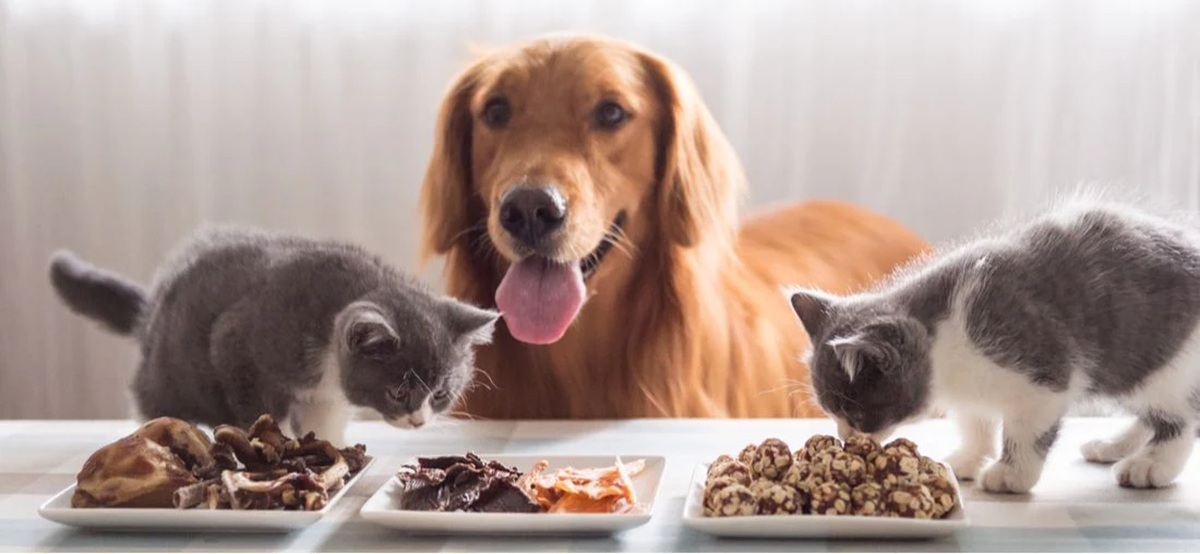
What you feed your pet is as important as what you feed yourself. In other words, the food you give to your pet/s should be healthy, balanced and of good origin. And while finding good pet food these days is easy, the last and maybe most important thing you should know about it is that dogs and cats aren’t supposed to eat the same food.
This might sound strange to new pet owners, but the truth is that dogs and cats are completely different species and have different nutritional needs to stay healthy. According to veterinarians, the real difference between this food lies in its nutrient balance and the specific needs for staying healthy. By not following these strict rules, you’ll basically put your dog’s/cat’s health at risk.
What Makes Good Food for Pets?
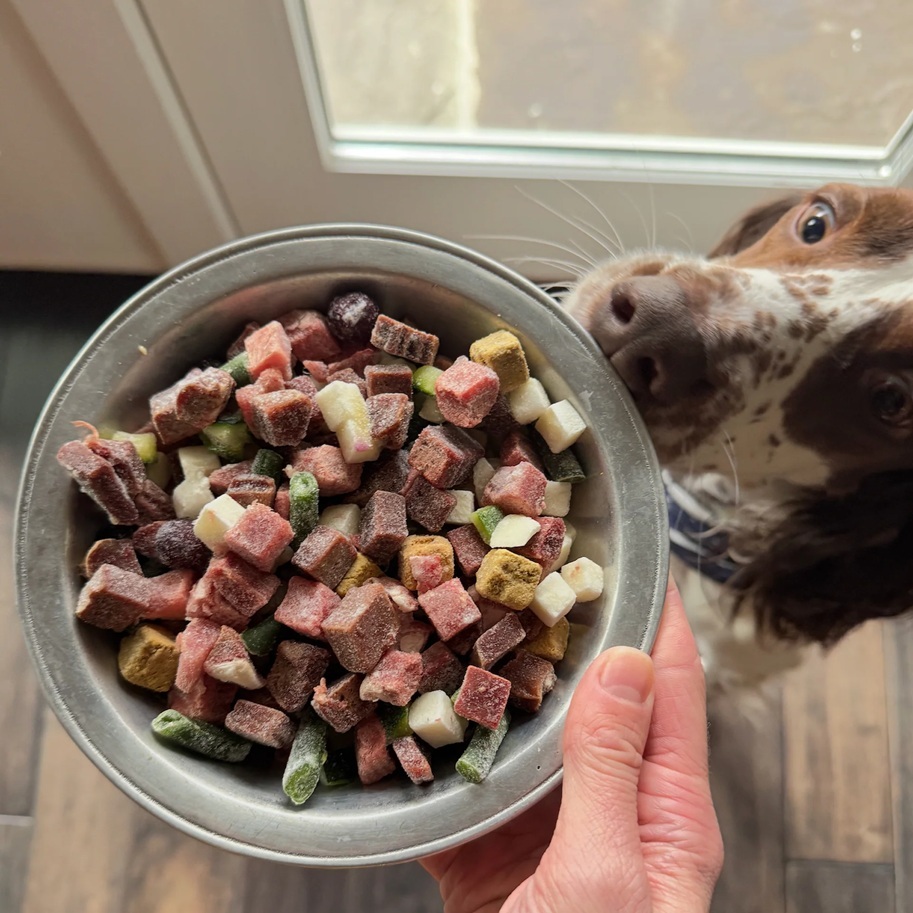
Generally speaking, quality food for pets is rich in nutrient-dense ingredients that are designed to meet the pet’s species, its size, age, breed and health requirements. Both dogs and cats should have a balanced food with the needed amount of vitamins, minerals, proteins and fatty acids, and understanding this is crucial for making the right choice.
Differences Between Dogs’ and Cats’ Food
As already mentioned, the food between dogs and cats is different. Consequently:
- Cats are in need of food high in taurine, which is an amino acid essential to maintain them healthy, especially their vision and heart function. Given the fact that this amino acid is not found in plants, you can provide them with food containing animal meat.
- Cats don’t have the enzyme needed to convert β-carotene to vitamin A, so you need to choose food that contains preformed vitamin A, and this can be mainly obtained from animal sources. This is essential for maintaining their bones, muscles, vision, reproduction, skin and coat.
- Cats need five times more vitamin B1 than dogs, which is why cat food is higher in it.
- Cat foods have more moisture content, which is why they feel less thirsty or dehydrated, in comparison to dogs that can get thirsty quite often.
- Dogs can fulfil their omega-6 fatty acid need through metabolism, and unfortunately, cats can’t do that. That’s why their food is specifically made to provide them with the needed amount of omega-6 fatty acids.
- Cats have fewer taste receptors, which is why their food usually has a stronger flavor. This difference in particular is the main reason why cats cannot savor food the same as dogs.
Nutritional Requirements of Dogs
Just like humans, dogs are also in need of a variety of nutrients to survive and thrive. Some of the most common things they need on a daily basis are fatty acids, amino acids, protein, vitamins, minerals, water and some other trace elements. An important thing to know is that the amount of these things and their proportion can mainly depend on their breed, size and stage of life, of course.
According to experts, a dog’s daily diet should consist of:
- Adult dogs – 10% (20-25g) crude protein, 5.5% fat (11-14g) and 50% carbohydrates by weight, where 2 – 5% should be derived from fibre.
- Puppies – 50 – 56g of crude protein and 17-21g of fat.
- Pregnant/Nursing – Given the fact that the lives of others depend on pregnant and nursing dogs, it’s said that they should eat about 69 – 158g of crude protein and 29-67g of fat.
The vitamin content for all dogs, regardless of their size and age, is the same. Their diet should consist of a range of vitamins like A, D, E, K and B complex, and minerals like calcium, magnesium, sodium, potassium, chlorine, iron, zinc, manganese, copper, selenium, iodine and phosphorus.
Nutritional Requirements of Cats
Just like dogs, a cat’s diet should also consist of a range of nutrients like amino acids from proteins, fatty acids, carbohydrates, vitamins, minerals, water and other trace elements. All of them need to be provided in the needed proportions to ensure optimal health and well-being. And just like for dogs, the balance and amount of food should also depend on the cat’s breed, size, and life stage.
That being said:
- Kittens should eat approximately 8 – 10g of crude protein and 3-4g of fat.
- Adult cats should have about 20 – 35g of crude protein and 4 – 5.5g of fat.
- Nursing cats need about 35 – 41g of crude protein and 10-12g of fat.
All cats, regardless of their size and age, should eat food high in vitamins, especially vitamin A, D, E, K and B complexes. The food should also consist of minerals like magnesium, calcium, phosphorus, sodium, potassium, zinc, manganese, selenium, iron and iodine. This is essential for helping them get the needed amount of proteins and fats, which are crucial for obtaining optimal well-being.