
When golfers shop for a new bag, they often focus on colour, weight, storage pockets, or whether it includes a stand. However, one of the most overlooked features is the divider system at the top of the bag. While it may seem like a small detail, the way your clubs are organised can significantly impact convenience, club protection, and your overall experience on the course.
The two most popular configurations are the highly organised 14-way golf bag and the more traditional 5-way divider system. Both are designed to keep your clubs accessible, but they cater to different playing styles and preferences. Some golfers prioritise maximum organisation and equipment protection, while others value lightweight mobility and quick club retrieval.
The 14-Way Golf Bag
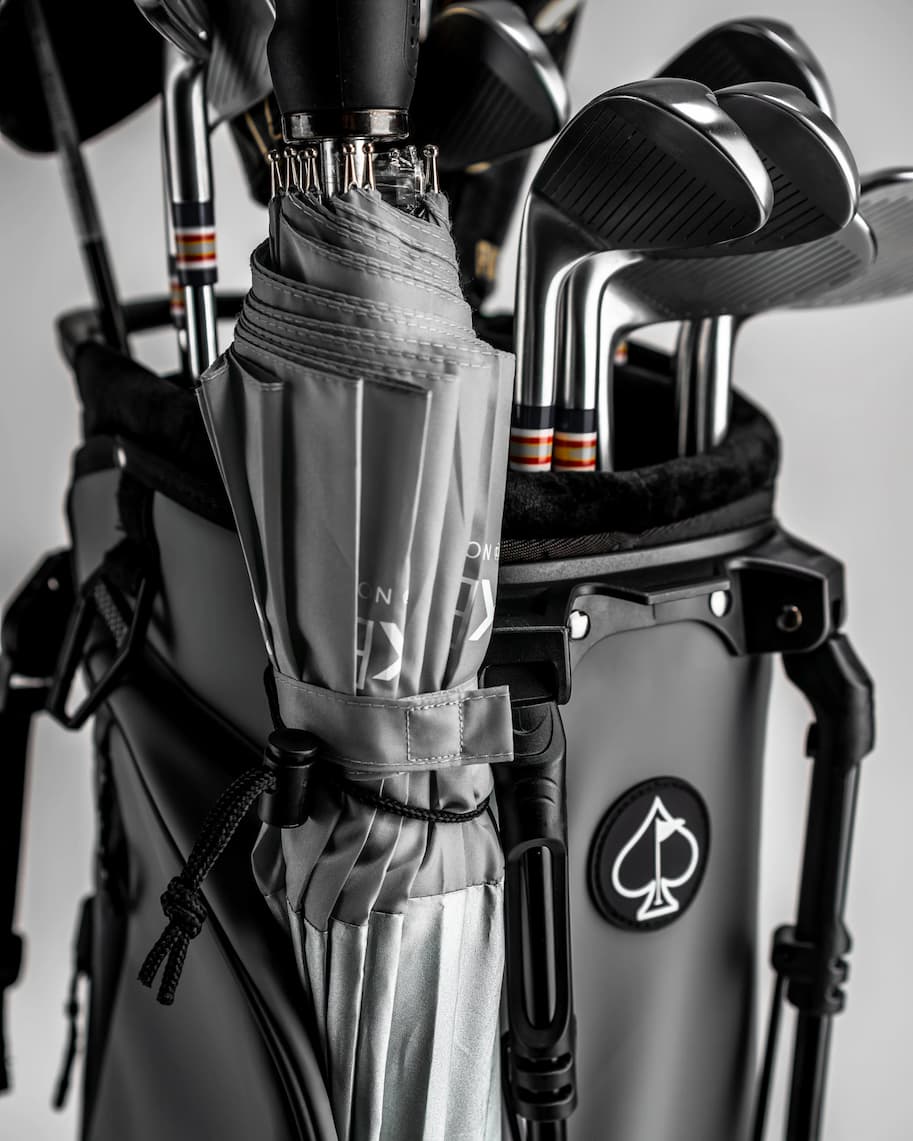
For golfers who appreciate organisation, the practical 14 way golf bag is often considered the gold standard. As the name suggests, this design features fourteen individual slots, one for every club permitted under the Rules of Golf. Each club has its own dedicated space, creating a neat, organised layout that keeps equipment separated throughout the round.
Anatomy of the 14-Way Top
Most 14-way golf bags feature either full-length or partial-length dividers.
Full-length dividers extend from the top of the bag all the way to the base, preventing shafts from crossing or becoming tangled inside the bag. This design offers the highest level of club protection and makes removing or replacing clubs much smoother.
Partial dividers separate clubs only near the top of the bag. While they still provide excellent organisation, shafts may occasionally touch lower down inside the bag.
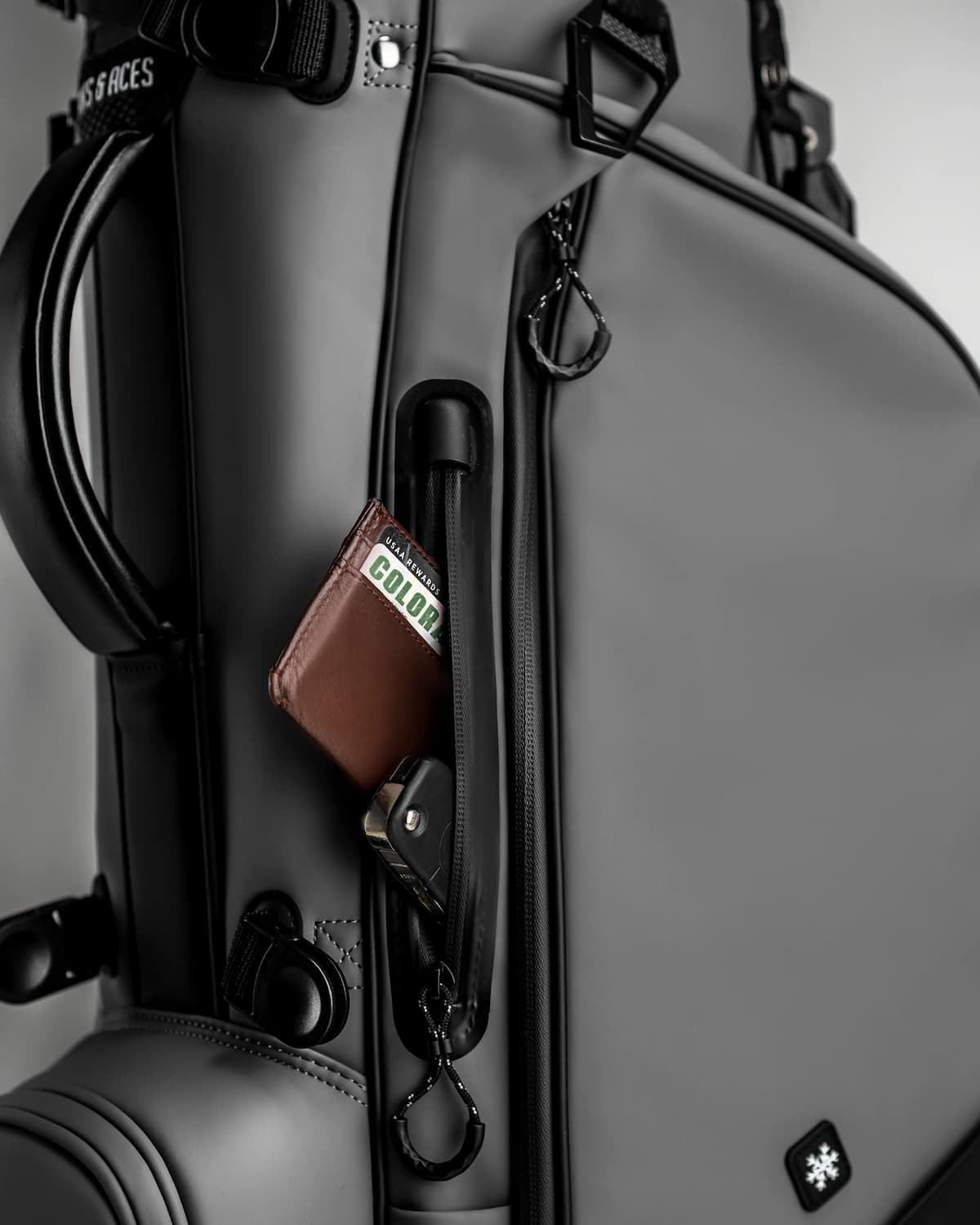
Many premium golf bags also include dedicated oversized putter wells, umbrella holders, insulated cooler pockets, and multiple accessory compartments, making them particularly attractive for golfers who enjoy staying organised.
Ultimate Club Protection
One of the greatest benefits of a 14-way divider system is the protection it provides. Because each club has its own slot, there is far less opportunity for clubs to bump into one another while walking or riding. This significantly reduces “bag chatter”, the constant clicking and rubbing of clubheads that can gradually wear club finishes and scratch graphite shafts.
Golfers who have invested in premium irons, custom-fitted woods, or expensive graphite shafts often appreciate this added level of protection. Keeping clubs separated also helps preserve grips by reducing unnecessary friction when clubs are inserted or removed.
Instant Club Inventory
Another major advantage is organisation. Since each club occupies a dedicated position, it becomes immediately obvious if one is missing. Before leaving a tee box or green, a glance at the bag is often enough to confirm that every club has been returned. This simple feature can help prevent the frustration of accidentally leaving a wedge or putter behind on the course.
Potential Drawbacks
Despite their many advantages, 14-way bags are not perfect. The additional divider structure naturally adds weight. Although modern materials have reduced overall bag weight considerably, these models generally remain heavier than comparable 5-way designs. For golfers who regularly carry their bag over 18 holes, the extra weight can become noticeable by the end of the round.
Another consideration involves grip crowding. If the bag uses partial-length dividers rather than full-length channels, grips can occasionally catch or snag as clubs are removed or replaced. Golfers using oversized grips may experience this more frequently, particularly when the bag is fully loaded.
For players who primarily use golf carts or push trolleys, these minor inconveniences are often outweighed by the exceptional organisation and protection offered by a golf bag 14 way design.
The 5-Way Golf Bag
The 5-way divider system takes a simpler approach to club organisation. Instead of assigning each club its own compartment, the bag groups clubs into broader sections, typically separating drivers and fairway woods, hybrids, mid-irons, short irons, wedges, and the putter. This traditional layout has remained popular for decades because it combines practicality with lightweight design.
Easy Club Access
One of the biggest advantages of a 5-way system is ease of use. The larger compartments provide more room to remove and replace clubs quickly, even when using larger grips. Because there are fewer divider walls, clubs slide more freely without becoming trapped or snagged. Many golfers appreciate this smoother access during play, especially when moving quickly between shots.
Lightweight and Versatile
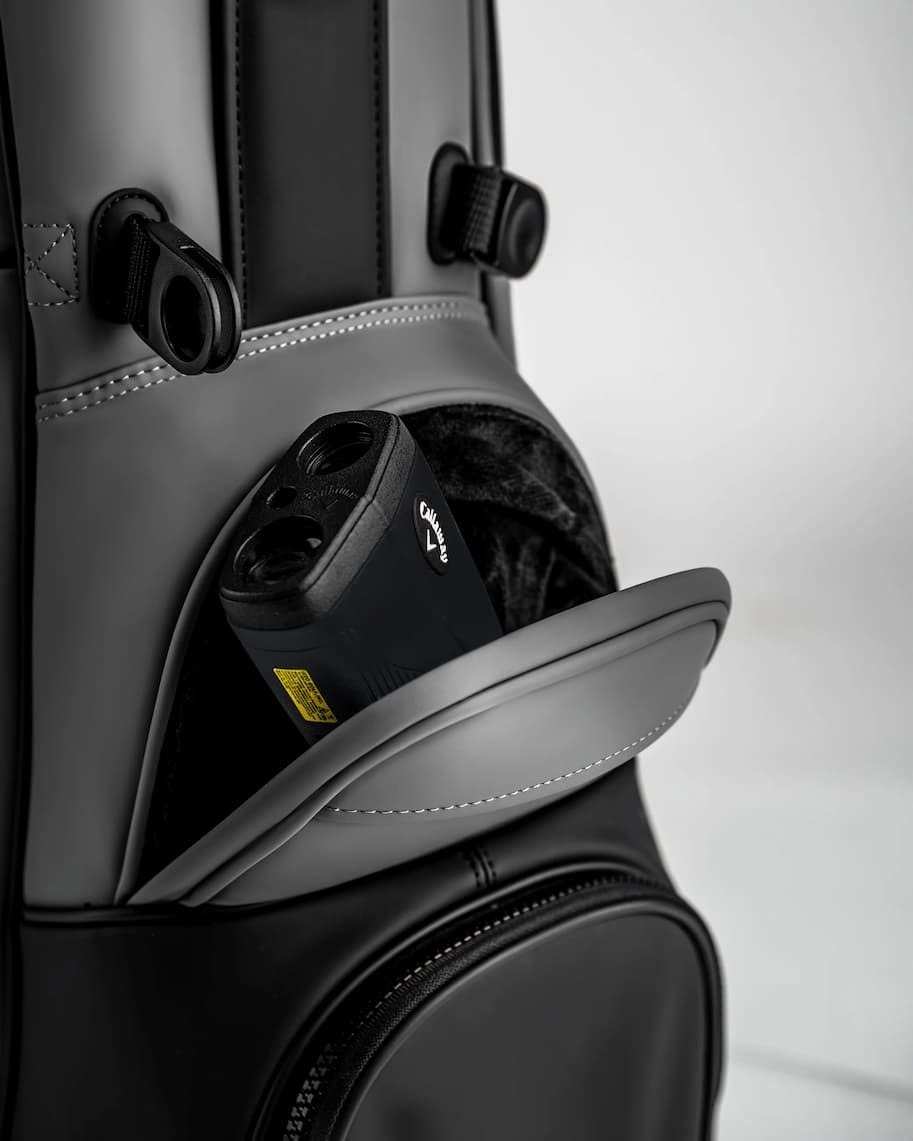
The reduced divider structure makes 5-way bags significantly lighter than many heavily compartmentalised models. As a result, they’re commonly found on stand bags and hybrid carry bags designed for golfers who enjoy walking the course. Their lighter weight also makes lifting the bag into a vehicle or onto a trolley easier, while maintaining plenty of storage space for apparel, accessories, drinks, and valuables.
A Cleaner Top Layout
With fewer divider sections, the top of the bag often appears less crowded. Golfers using oversized putter grips or thicker midsize grips frequently appreciate the additional room available within each compartment. The simplified layout also appeals to players who prefer quick, intuitive access rather than carefully returning every club to an assigned position.
Potential Drawbacks
The trade-off for this simplicity is reduced organisation. Because several clubs share each compartment, clubheads naturally come into contact while walking or riding. This can increase bag chatter and contribute to cosmetic wear over time. It also becomes slightly more difficult to notice if a club has been left behind, as missing equipment isn’t immediately obvious within grouped compartments.
Head-to-Head Comparison
When choosing between these two systems, your playing habits matter just as much as the divider layout itself. Golfers who regularly ride in motorised carts often benefit most from golf bags 14-way because weight becomes less important than organisation and club protection. The individual dividers help keep premium equipment in excellent condition while maintaining an orderly layout throughout the round.
Players who prefer walking, however, may appreciate the lighter construction of a 5-way bag. Less weight translates into greater comfort over long distances, making the overall golfing experience more enjoyable.
Equipment protection is another key factor. If you’ve invested in high-end graphite shafts, custom clubs, or premium grips, the additional separation provided by a 14-way system offers valuable peace of mind.
Speed of play can vary depending on personal preference. Some golfers retrieve clubs faster from the larger openings of a 5-way bag, while others find that a dedicated position for each club allows quicker identification and replacement.
Which One Should You Choose?
A 14-way bag is an excellent choice if you primarily ride in a golf cart, enjoy meticulous organisation, and want maximum protection for your clubs. Players who dislike tangled shafts, constant club chatter, or searching for misplaced clubs will appreciate the structured layout and dedicated storage offered by this design.
At the end of the day, the best golf bag is the one that complements the way you play. Whether you choose the organised precision of a 14-way divider or the lightweight versatility of a 5-way design, selecting a bag that fits your routine will help you stay focused on what truly matters – enjoying your round and playing your best golf.