
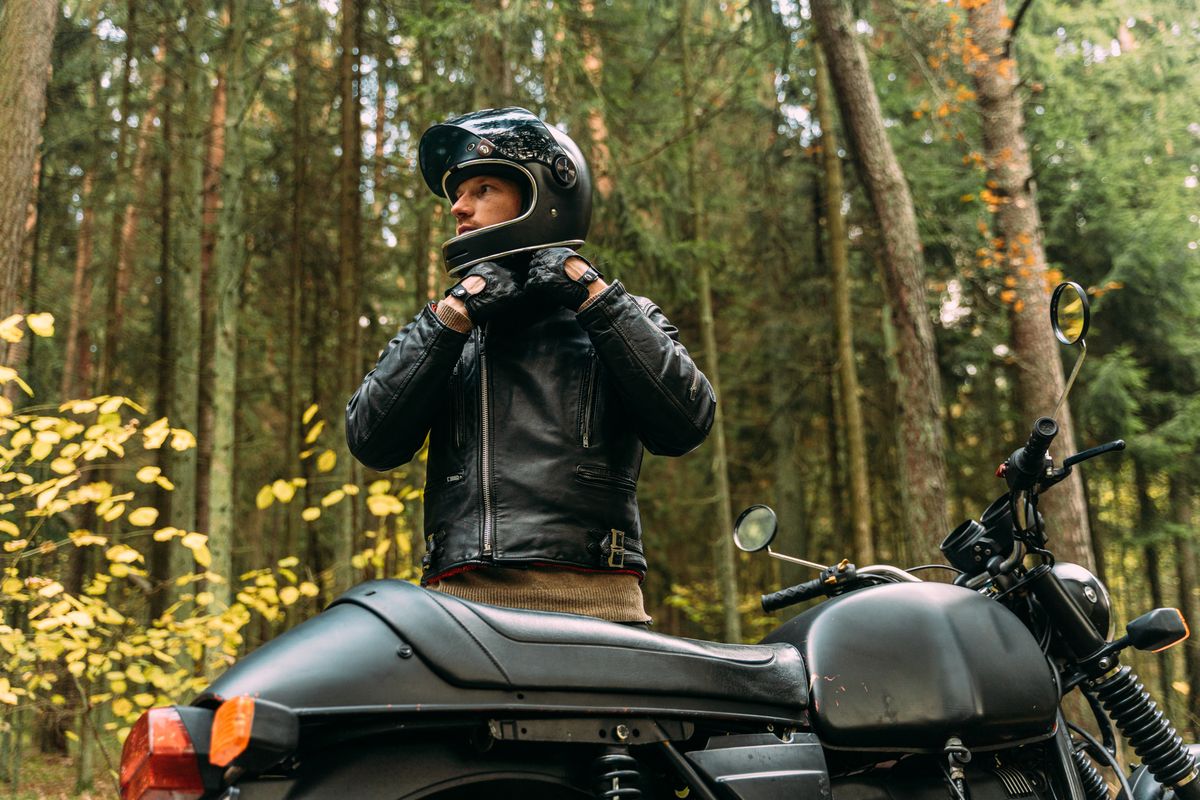
If you have ever shopped around for motorcycle equipment, then you know there isn’t just one style available. An outfit designed for on-the-road, daily commutes will not resemble one designed to tear across dirt trails and a muddy mess. It is no coincidence, and it is not merely aesthetics that separate the two. On-the-road and off-road activities require totally different performance from your body and your motorcycle gear, and knowing the difference could protect you from purchasing the wrong setup – or worse, riding unprotected.
Different Risks, Different Priorities
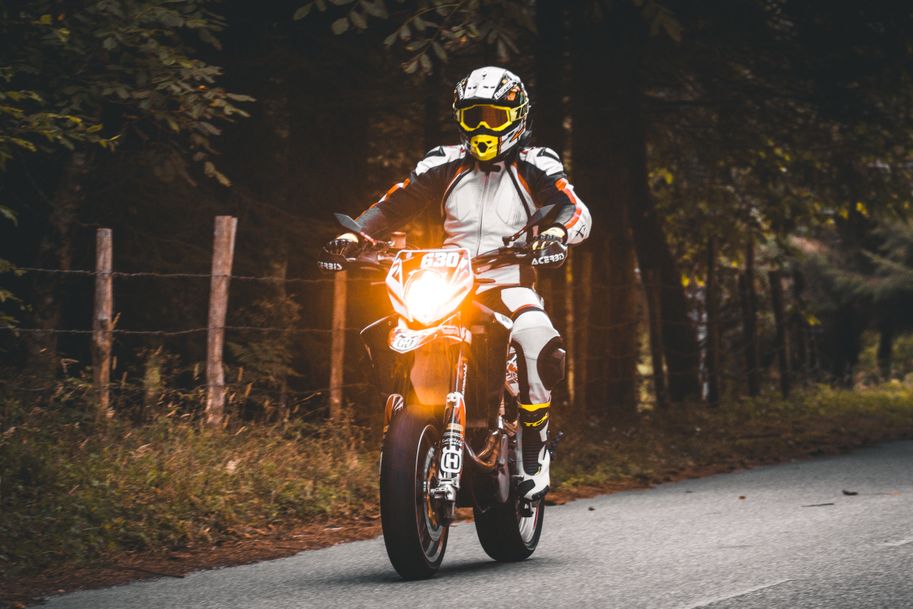
The core difference comes down to what kind of impact and exposure you’re actually preparing for. On-road riding involves riding at higher speeds, exposure to wind and rain, and the risk of slipping on the road during an accident. Off-road riding involves slower speeds but increased risks of falling over, hitting obstacles, and being constantly surrounded by dust, dirt, and uneven surfaces. The equipment you need in one setting is very different from the equipment worn in the other setting. So, before making a purchase, explore the vast selection of Canada’s motorcycle gear market and choose pieces designed for your priorities.
Helmets
On-road helmets are typically designed for aerodynamics, noise reduction, and comfort over long stretches at higher speeds. These full-face helmets feature clear visors, good ventilation systems, and styling aimed at commuters and street bikers.
Off-road helmets, on the other hand, have an extended chin bar for additional airflow, a peak or visor to block sun and roost from other riders, and no built-in face shield because riders wear goggles separately. They’re also generally lighter, since off-road riding involves more head movement and physical effort than sitting steady on a highway.
Jackets and Body Armour
This area is where the distinction is the most pronounced. Street jackets are supposed to be abrasion-resistant against asphalt, meaning leather or heavy textiles along with armour at the shoulders, elbows and back. They’re also often designed with weatherproofing in mind, since a street rider might be dealing with everything from cold morning commutes to a sudden downpour.
The jackets used for off-road biking are an entirely different game. They are light, airy, and minimal because heat is far more dangerous to the off-roader than wind chill. The off-road rider will typically wear a jersey with a separate chest and shoulder protector underneath for airflow and freedom of movement.
Pants
Street-oriented pants are built similarly to jackets: abrasion-resistant materials, knee and hip protection, and usually a tighter-fitting cut because of an extended period of wearing in traffic or on the highway.
Off-road pants are more loose-fitting, more flexible, and reinforced in different spots, particularly the knees, since kneeling, standing on the pegs, and rough terrain put a lot of strain there. They’re also typically paired with separate knee braces or guards, since a fall off-road is a “when,” not an “if.”
Boots
On-road boots are designed for control and comfort on pavement, with grippy, oil-resistant soles and ankle support that still allows for some flexibility when shifting gears or working the brake.
Off-road boots are a different beast entirely – taller, stiffer, and far more rigid around the ankle and shin, since they need to survive direct impacts from rocks, roots, and the bike itself. That rigidity trades off some everyday comfort for serious protection, which makes sense when you consider how much more physical off-road riding tends to be.
Gloves and Weather Protection
Street gloves generally strike a balance between protection and dexterity for controlling the clutch and brakes. Most people choose gloves that offer extra protection in the knuckle and palm areas.
Off-road gloves tend to be thinner and minimal, with grip and feel rather than protecting the rider from sliding.
Off-road riders are less concerned with weather protection because being soaked due to a muddy ride is expected in the sport. For street riders, however, rain jackets and pants that easily fit over their gear are an extremely important safety measure because staying dry impacts visibility and reaction time.
Finding the Setup That Is Right for You
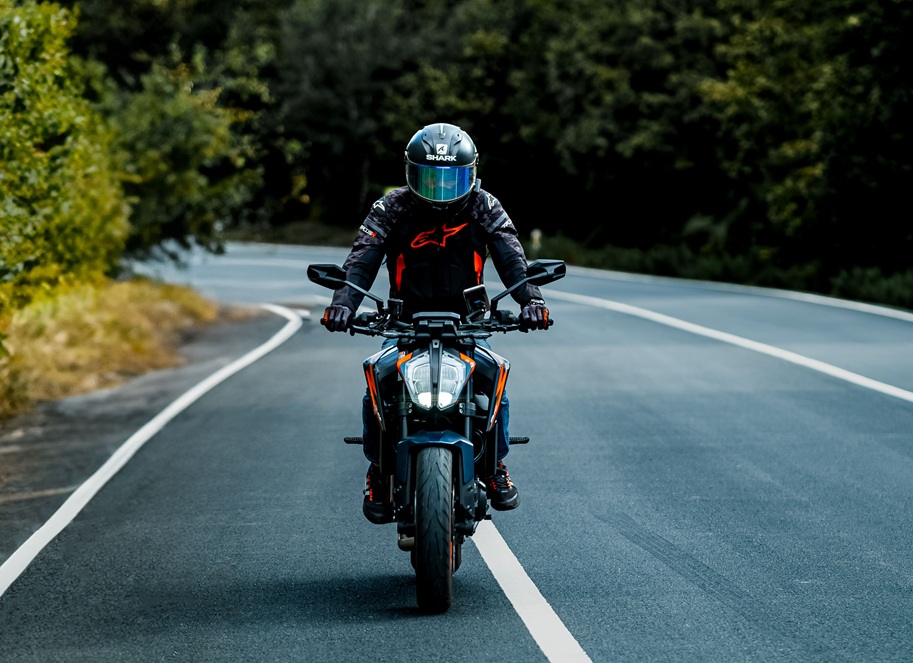
If you only ride on pavement, you would be wasting money on motorcycle riding gear for off-road riding and not designed for sliding. If you spend your weekends on the trails, a street jacket will leave you overheated and constricted in less than twenty minutes. If you ride both routes, it might be worth building two separate kits rather than trying to find gear that compromises on both fronts. Canada motorcycle gear market offers plenty of both.
Ultimately, it is not a question of which category looks nicer, but one of matching it to the risks you are exposed to. Once you have done this part, everything else comes naturally.
The Final Word
Choosing the right motorcycle gear starts with understanding where and how you ride. Street and off-road riding pose different risks, so your helmet, protection, clothing, boots, and gloves should be selected accordingly. The right setup offers the protection, comfort, and freedom of movement you need, helping you stay prepared and focused every time you ride.