
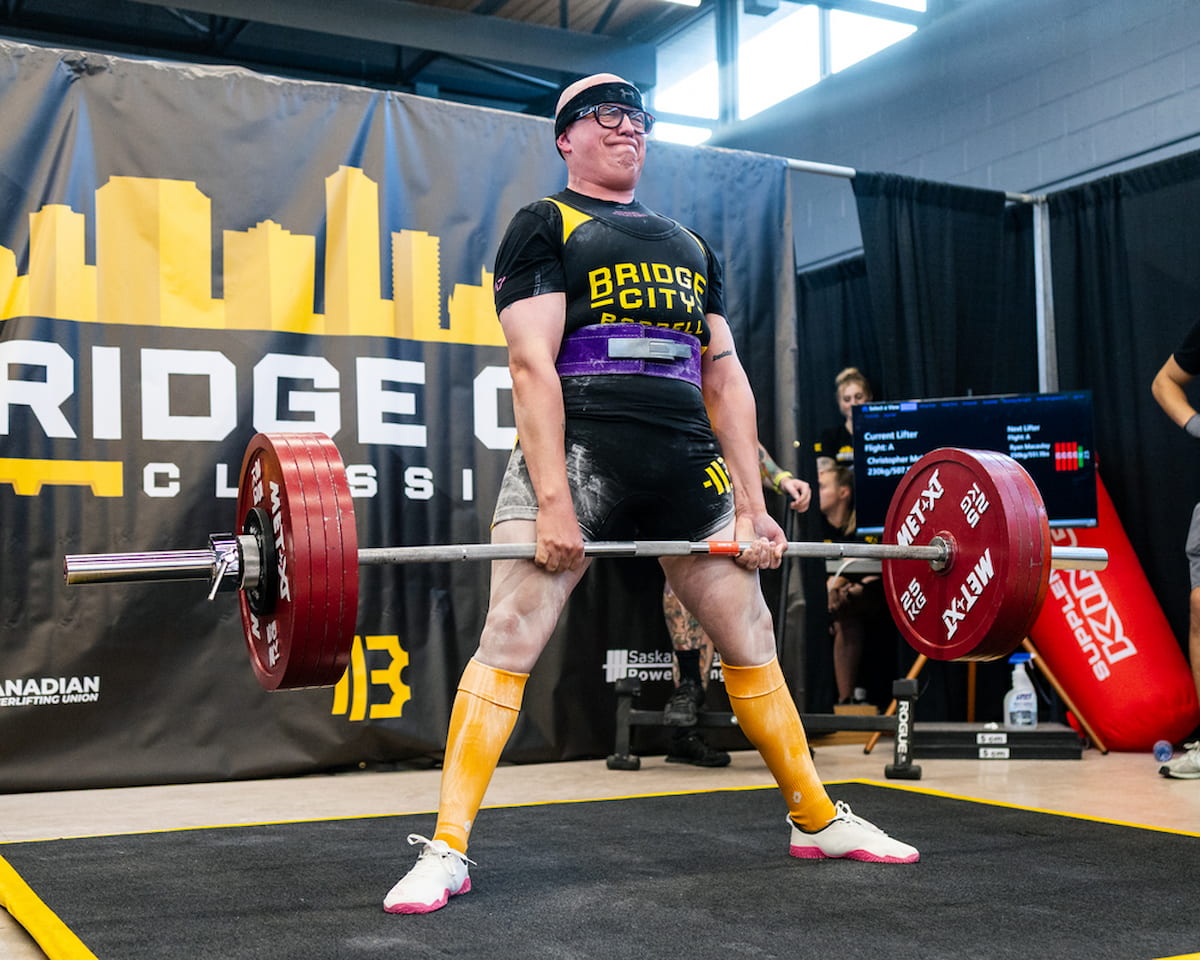
Walk into any gym, and you’ll see the same thing: thickly cushioned shoes packed with “advanced” support, elevated heels, and the latest tech promising to fix your movement. But what if a more natural approach could help your feet move and function the way they were designed to?
Zero Drop shoes take a different perspective with a flat platform where the heel and forefoot sit at the same level. This design encourages a more natural foot position and allows your body to engage differently during movement, whether you’re working out, walking, or spending time on your feet.
What Does Zero Drop Mean?
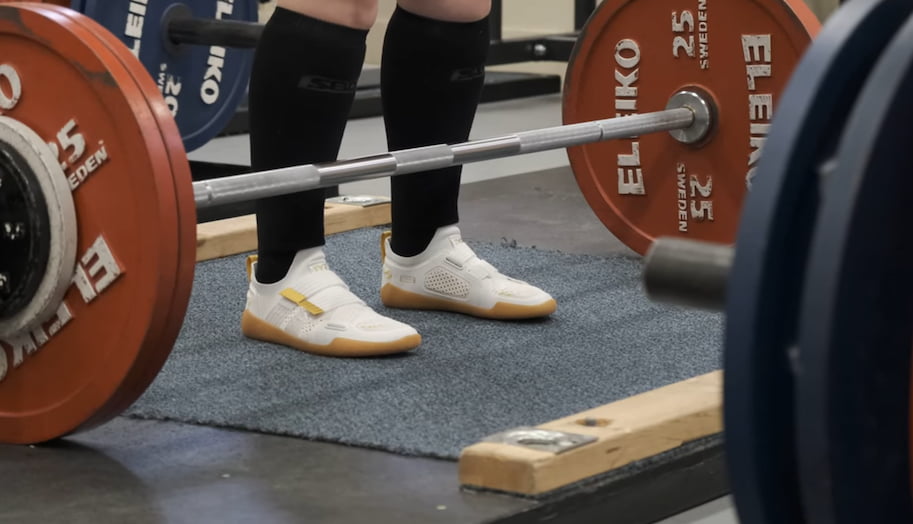
This footwear design keeps your heel and the front of your foot at the same height, which creates a flat base instead of the angled position found in many traditional designs. This option is closer to the way your feet naturally sit when you’re barefoot, allowing for a more grounded feel during movement. This can help support natural movement patterns and improve how your body works. Some potential benefits include:
-Stronger feet and lower legs: A flatter foundation encourages the muscles in your feet and legs to work more actively.
-Improved alignment: A more natural foot position can help support better posture and body positioning.
-Greater stability and control: Feeling more connected to the ground can make movements feel more balanced and controlled.
Why Make the Switch?
The right footwear can change the way you move, especially during workouts where balance, stability, and control matter. The flat design of stable Zero-Drop shoes gives your feet a more connected feel with the ground, helping you build a stronger foundation for different types of training. Instead of feeling separated from the surface beneath you, you can feel steadier and more aware with each movement. Some key benefits include:
-Greater stability during lifts: A balanced platform helps create a solid base, making movements like squats, deadlifts, and strength exercises feel more controlled.
-Improved body awareness: Feeling more connected to the floor can help you focus on your technique and movement patterns.
-More confident training: The stable feel allows you to move with purpose, whether you’re lifting, stretching, or working through dynamic exercises.
Top Exercises to Try with These Shoes
Different exercises demand different things from your footwear, and having a Zero Drop shoe can help you maximise your workouts. A flatter sole design keeps your feet closer to the ground, helping you feel more balanced and connected during movements that require strength, control, and coordination. Instead of relying on extra cushioning for stability, your feet can engage more naturally as you train. Some exercises where this type of footwear can be especially beneficial include:
-Deadlifts and squats: Strength exercises require a strong, steady base. The stable platform of Zero-Drop shoes can help you feel more planted as you push through the floor, maintain your form, and generate power without the added height of a raised heel.
-Kettlebell workouts: Movements like swings and cleans rely on timing, balance, and force control. Better ground awareness can help you stay more precise throughout each repetition.
-Bodyweight exercises: Planks, push-ups, and lunges all involve stability. A closer connection to the floor can help your feet contribute to balance rather than feeling isolated by thick cushioning.
-Plyometric training: For explosive movements like jumps and sprints, responsive footwear can help you feel quicker and more controlled when landing and changing direction.
-Mobility and stability exercises: Stretching, balance drills, and functional movements benefit from footwear that allows your ankles and hips to move more freely.
How to Transition
Switching from traditional training footwear to flatter, more natural Zero Drop shoes is a process that’s worth taking slowly. Since your feet and lower legs may be used to extra cushioning and a raised heel, they need time to adjust to a different way of moving. A gradual approach helps your muscles, joints, and balance adapt comfortably.
Start by wearing them during shorter activities, such as warm-ups, cool-downs, walks, or lighter workouts. This gives your feet a chance to get familiar with the new feel without adding too much stress too quickly. As your comfort improves, you can slowly introduce them into longer training sessions.
During this adjustment period, simple foot and ankle movements can also help. Exercises like toe stretches, foot strengthening drills, and ankle mobility work can support the transition by improving flexibility and awareness. It’s normal to notice some changes at first, particularly around the calves and arches, as muscles that may have been less active begin working more. Listen to your body and increase your usage at a pace that feels right for you.
Over time, many people appreciate the stronger, more stable feeling that comes from a closer connection to the ground. A solid foundation can help you feel more balanced during lifts, more controlled in your movements, and more confident in your training. When your feet become stronger and more engaged, they can better support the way your entire body moves.