
When winter arrives, and the mountains call, many riders face a familiar dilemma: should you stick with a traditional snowboard or invest in a splitboard? At first glance, they may look nearly identical, but their purpose on the snow is completely different. Choosing the wrong one can mean exhausting climbs, limited access to terrain, or paying for features you may never use. The good news is that once you understand how each board is designed and where it performs best, the decision becomes much easier.
Construction and Design
At first glance, splitboards and snowboards look nearly identical. Both feature a laminated construction built around a lightweight wood core, reinforced with layers of fibreglass or carbon fibre, and protected by durable top sheets and sintered or extruded bases. However, the engineering differences become obvious when you look closer.
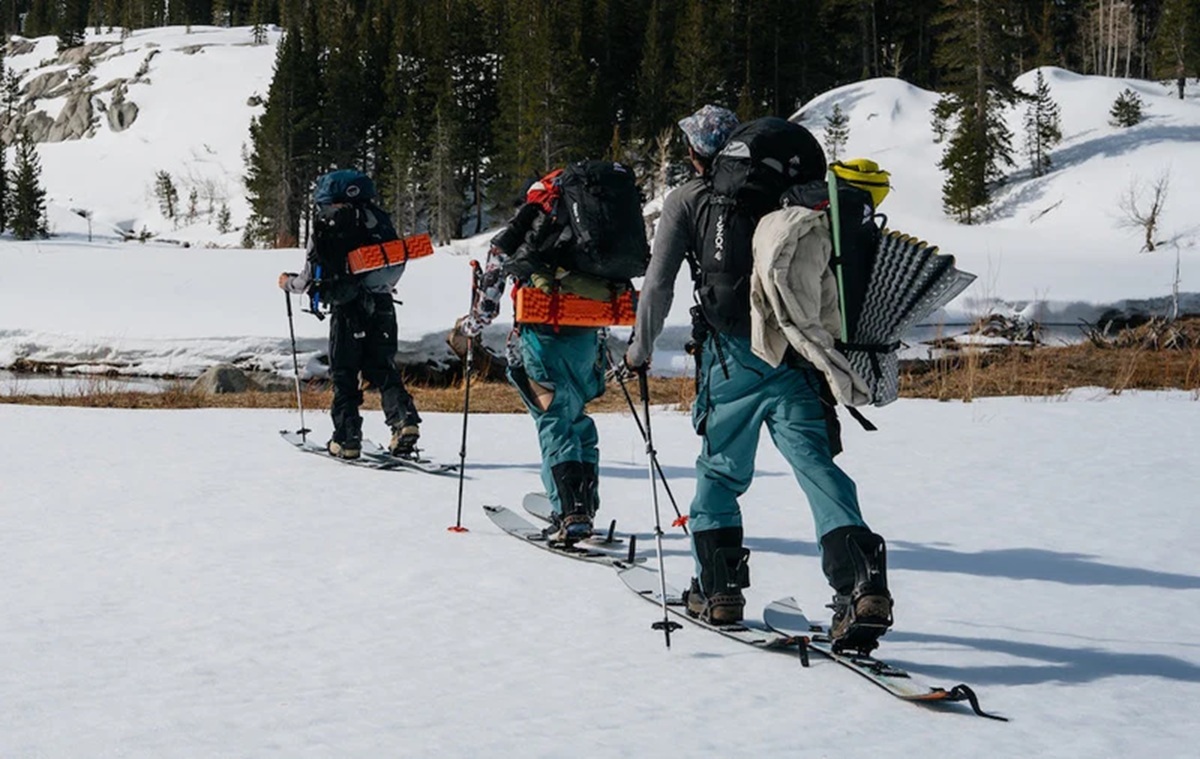
Give your self-powered mountain exploration a new dimension with a high-quality split board. It is designed to separate lengthwise into two ski-like halves. Specialized metal clips, hooks, and touring brackets hold the board together securely for downhill riding, while climbing skins attach to the bases for uphill travel.
Because splitboards require additional hardware and reinforced connection points, manufacturers carefully balance strength and weight to maintain performance without adding unnecessary bulk. Modern choices are impressively refined, with many models riding almost as smoothly as standard snowboards. Still, they tend to be slightly heavier and less rigid than their one-piece counterparts.
Traditional snowboards, on the other hand, are made from a single solid piece. This single-board construction provides maximum torsional rigidity, delivering precise edge control, smoother carving, and a highly responsive feel on groomed runs, park features, and powder.
Intended Use
The biggest difference between split boards and snowboards lies in where and how they are meant to be used. While both are built to glide downhill, they cater to very different riding experiences.
A split board is built for backcountry exploration. It separates into two halves that function like skis for climbing uphill using climbing skins. Once you reach the summit, the halves reconnect to form a snowboard for the descent. This design allows riders to access untouched powder, remote alpine bowls, and terrain far beyond resort boundaries.
All in all, split boards are ideal for adventurous snowboarders who want freedom from lift lines and the ability to earn their turns. However, they require additional equipment, avalanche safety knowledge, and greater physical effort. A traditional snowboard is designed primarily for resort riding.
It excels on groomed trails, terrain parks, and lift-accessed powder runs. Since chairlifts handle the uphill journey, the board can focus entirely on downhill performance, offering stability, responsiveness, and playful handling. For most riders who spend their time at ski resorts, a standard snowboard is the most practical and cost-effective choice.
Weight
Weight plays a major role in how both splitboards and traditional snowboards perform, especially when comparing lift-served riding to human-powered backcountry travel.
A standard snowboard is typically lighter overall because it is built as a single, uninterrupted board with no additional touring hardware. Without metal clips, brackets, and climbing interfaces, manufacturers can focus purely on achieving the ideal balance of flex, strength, and durability. This lower weight contributes to a lively feel and quick edge-to-edge response on groomed runs and in terrain parks.
Splitboards, on the other hand, include extra components such as tip and tail clips, touring brackets, heel risers, and specialized bindings. These additions naturally increase the total weight. Manufacturers offset this by using lightweight wood cores and premium materials like carbon fibre, but splitboards generally remain heavier than conventional snowboards.
The key consideration is not just total weight, but how it is carried. During uphill travel, every extra gram matters, which is why backcountry riders prioritize efficient designs and lightweight gear.
Safety Consideration
Safety is one of the most important differences between riding a splitboard and a traditional snowboard. While both sports involve speed, changing weather, and mountain terrain, the level of risk increases significantly once you leave the controlled environment of a ski resort.
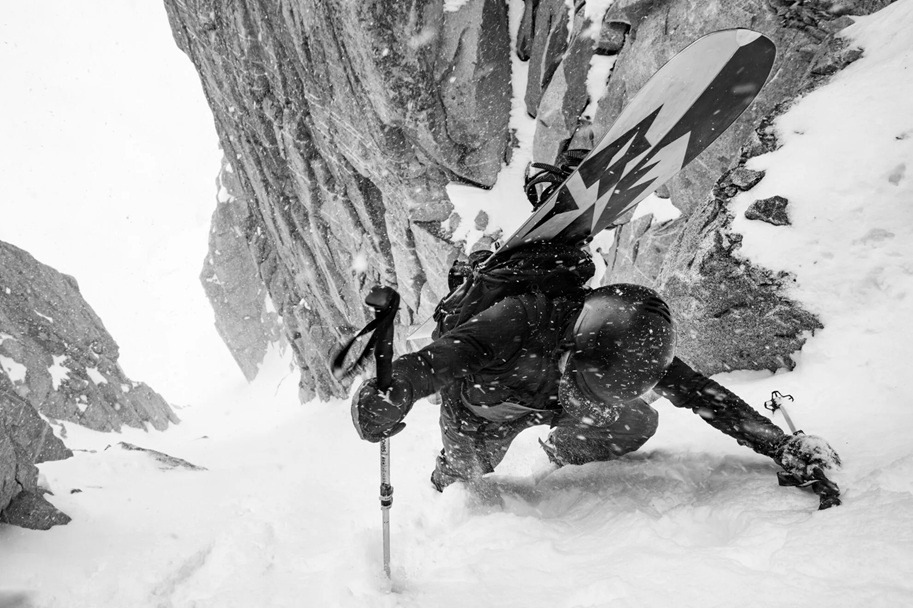
Splitboarding takes riders into the backcountry, where there are no groomed runs, patrol teams, or controlled conditions. Avalanche danger, hidden crevasses, sudden weather changes, and navigation challenges become serious concerns. Because of this, splitboarders should carry essential safety equipment, including an avalanche beacon, probe, shovel, and communication device.
At a resort, traditional snowboarders benefit from marked trails, avalanche mitigation, ski patrol, and quick access to emergency assistance. Hazards still exist, but they are generally managed and monitored by trained professionals.
Maintenance Requirements
Both splitboards and traditional snowboards require regular waxing, edge tuning, and base repairs to maintain smooth performance on snow. However, split boards demand more attention because they include additional moving parts and specialized touring equipment.
A standard snowboard is relatively simple to maintain. Routine care typically involves sharpening edges, repairing scratches, and storing the board in a dry environment during the off-season. Split boards need the same basic upkeep, along with inspection of tip and tail clips, touring brackets, heel risers, and binding interfaces. These components should be kept clean and checked for wear, loose screws, or ice build-up that can affect performance.
Climbing skins also require occasional cleaning and proper storage to preserve adhesive strength. Because split boards are used in remote environments, preventive maintenance is especially important. A small hardware issue in the backcountry can become a major problem far from assistance.