

Continuous positive airway pressure (CPAP) therapy is widely recognised as the gold standard treatment for obstructive sleep apnea (OSA). Providing a steady flow of pressurised air, CPAP therapy prevents airway collapse, allowing for uninterrupted sleep. For effective therapy, both the CPAP machine and the mask play crucial roles. While they work together, they serve distinct functions, and understanding their differences is essential for making an informed purchase, especially when exploring options like a CPAP machine on sale.
The CPAP Machine

At the core of CPAP therapy is the CPAP machine, which generates and regulates the airflow necessary to maintain open airways during sleep. The machine consists of several key components, including a motor, compressor, and often an optional humidifier to add moisture to the air, reducing dryness and irritation.
A major advantage of research-backed and carefully designed CPAP machines on sale is their adjustability. Depending on an individual’s specific sleep apnea severity, pressure settings can be fine-tuned to deliver the ideal level of air pressure. Many machines also come equipped with smart technology, enabling data tracking for therapy effectiveness. These devices can record sleep patterns, pressure changes, and instances of apnea, allowing users and healthcare professionals to make necessary adjustments for optimal treatment.
Additionally, users browsing CPAP machines on sale can explore models with various features, such as noise reduction, auto-adjusting pressure settings, and travel-friendly designs. Investing in a CPAP machine sale provides an opportunity to find a high-quality device at a more affordable price, ensuring a seamless and effective therapy experience.
The CPAP Mask
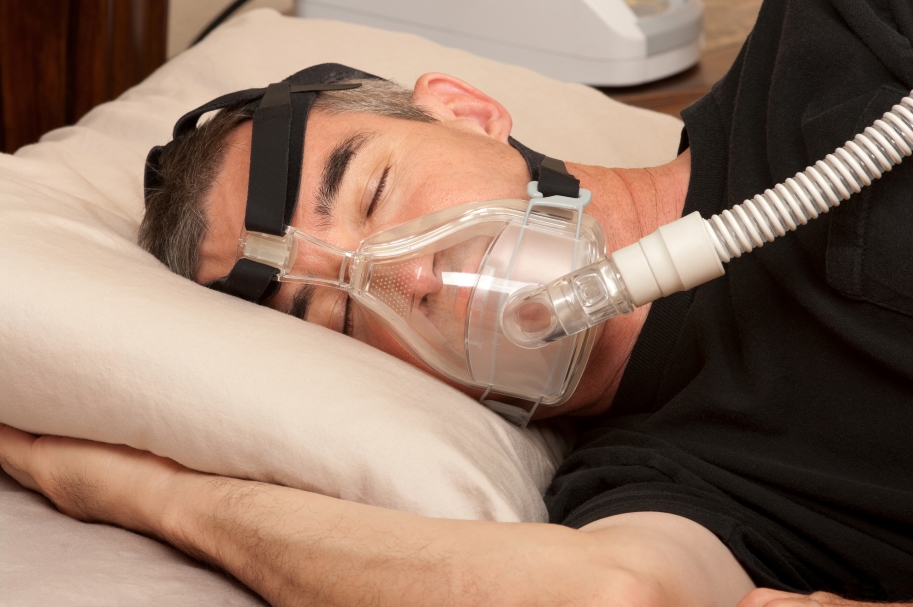
While the CPAP machine generates airflow, the CPAP mask serves as the direct interface between the user and the therapy. The mask is responsible for delivering pressurised air from the machine to the user’s airway, making it one of the most critical components of CPAP treatment. Ensuring the right mask fit and comfort is essential for therapy adherence and overall effectiveness. There are different types of CPAP masks, each designed to accommodate various sleeping styles, breathing patterns, and comfort preferences:
- Nasal Masks: Cover only the nose, making them ideal for users who breathe primarily through their nose. They provide a balance between comfort and effective airflow delivery.
- Nasal Pillow Masks: Rest directly on the nostrils, offering a lightweight and minimalistic design. These are well-suited for individuals who feel claustrophobic with larger masks.
- Full Face Masks: Cover both the nose and mouth, making them suitable for users who breathe through their mouth or experience nasal congestion.
Choosing the right mask is crucial, as an ill-fitting mask can lead to air leaks, discomfort, and reduced therapy effectiveness. Many suppliers offer trial periods or return policies, allowing users to test different options before committing to a specific model.
Key Differences
Functionality
- CPAP Machine: The primary function of the CPAP machine is to generate and regulate pressurised airflow, ensuring the airway remains open during sleep.
- CPAP Mask: The mask serves as the delivery mechanism, channeling the airflow from the machine into the user’s airway.
Fit Specifications
A properly fitted CPAP mask is essential for successful therapy. Even with the best CPAP machine sale option, an ill-fitting mask can lead to discomfort, air leaks, and disrupted sleep. A well-sealed mask ensures that the prescribed air pressure reaches the airway without interruption, making treatment more effective.
Choosing the Right Mask
When selecting a CPAP mask, several factors should be considered:
Comfort
The mask should provide a secure seal without causing discomfort or skin irritation. Lightweight and breathable materials can enhance comfort for long-term use. Think about whether you prefer a full face, nasal, or nasal pillow mask depending on your breathing and sleeping patterns. It is important to try on different masks and adjust them properly before making a decision.
Trial Period
Many suppliers offer mask trials to ensure a good fit before making a final purchase decision. Testing multiple options can help users determine which mask best suits their facial structure and sleeping habits.
Personal Preferences
Individuals who frequently move during sleep may prefer masks with flexible headgear. Those who experience nasal congestion should consider full face masks to accommodate mouth breathing.
Importance of Mask Fit and Maintenance
A well-maintained CPAP mask contributes to better hygiene and longer-lasting equipment. Regular cleaning helps prevent the buildup of bacteria, dust, and skin oils, which can affect mask performance. Users should follow manufacturer guidelines on washing mask components, replacing worn-out cushions, and checking for leaks.
Additionally, replacing CPAP masks and their components periodically ensures continued effectiveness. Over time, mask cushions and headgear can lose elasticity, leading to poor fit and compromised therapy results. Checking for wear and tear and replacing parts as needed can help maintain optimal treatment performance.
To Conclude
The CPAP machine and the mask are indispensable components of successful CPAP therapy. While the CPAP machine on sale provides the essential airflow, the CPAP mask ensures the air is delivered comfortably and effectively. Choosing the right mask, ensuring a proper fit, and maintaining regular cleaning practices are all critical for a positive CPAP experience.
For those exploring a CPAP sale, investing in high-quality equipment tailored to individual needs can lead to better sleep, improved health, and long-term adherence to therapy. By choosing the right combination of machine and mask, users can optimise their treatment and enjoy restful, uninterrupted sleep.