
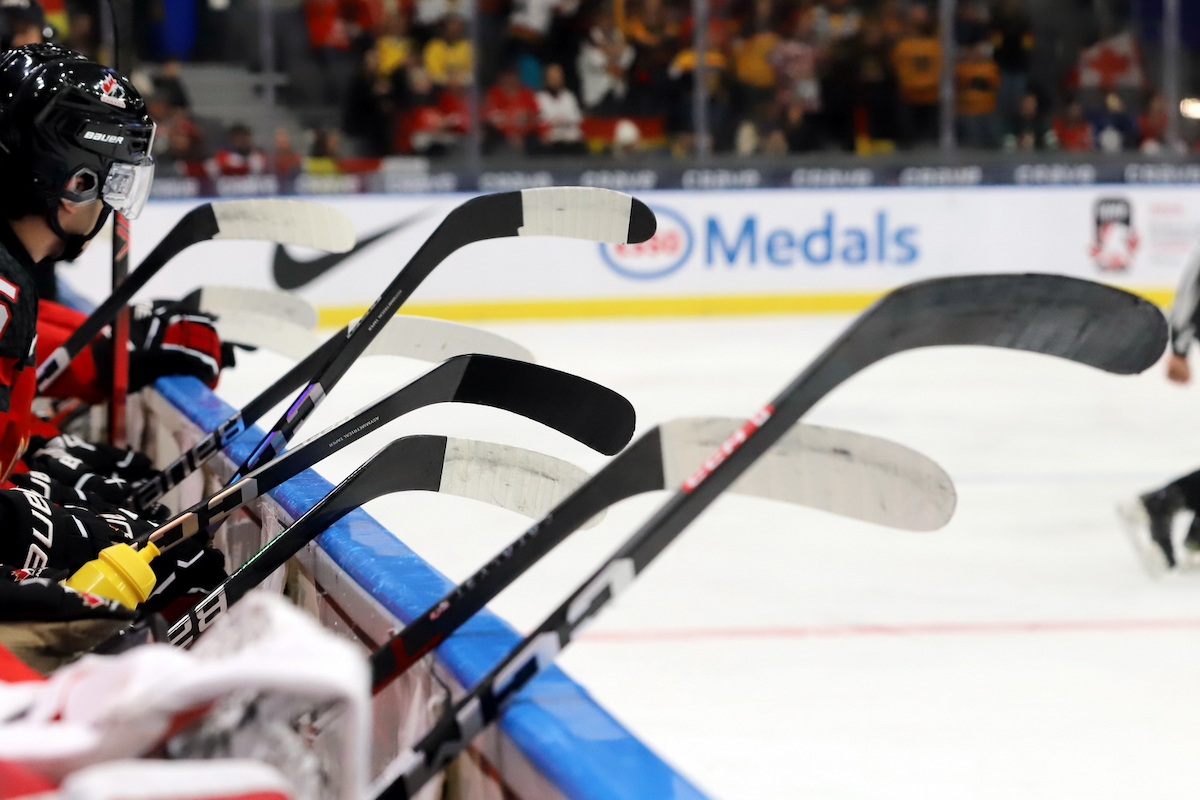
As the saying goes, not everything that looks the same is the same. Picture genuine leather versus faux or a custom-tailored suit versus one off the rack. Although they may look similar, once you put them to the test, you quickly notice the difference. The same thing goes for hockey equipment; and it’s not just with hockey skates but sticks too, both pro stock and regular retail hockey training gear.
The retail hockey sticks are designed to look and feel like the pro-stock models. However, they don’t deliver the same precision and performance as pro stock sticks.
Pro Stock Sticks
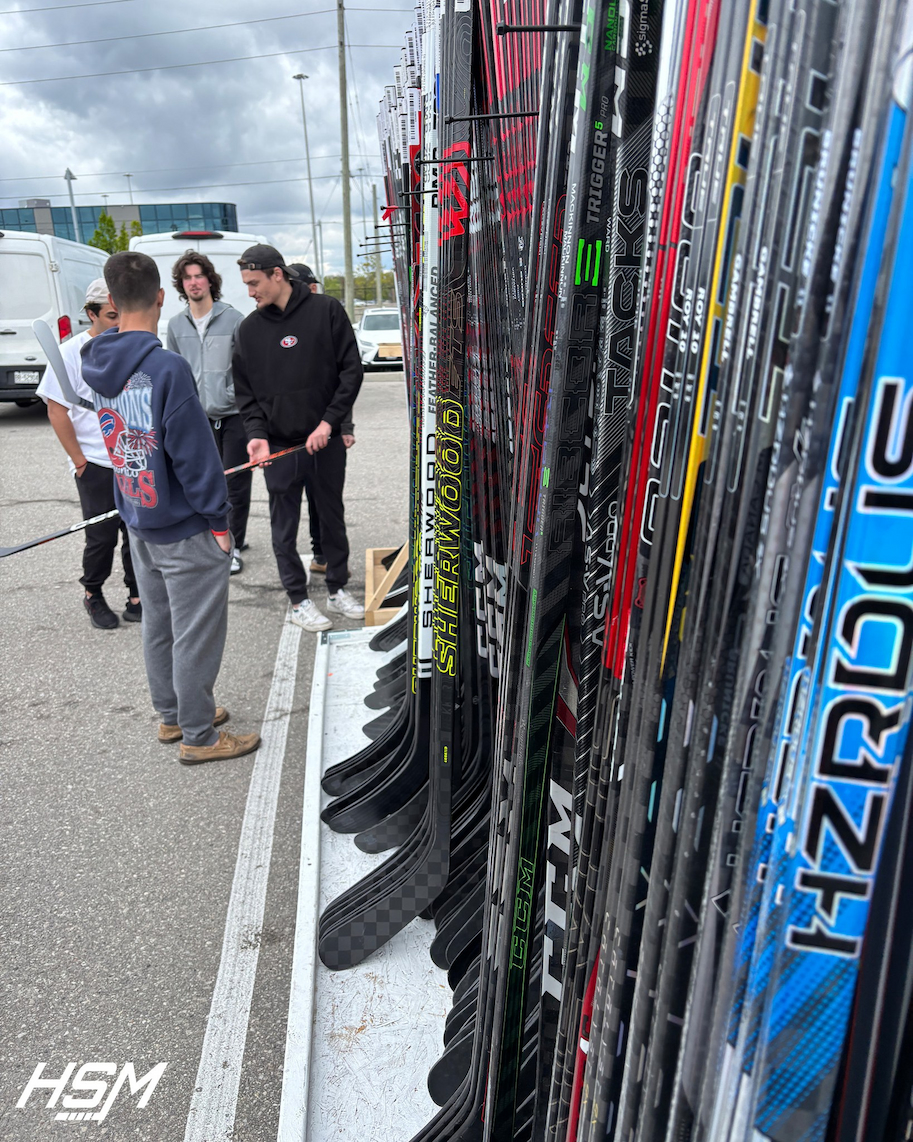
The pro stock hockey sticks are a custom-designed option and made for a professional hockey player or team, primarily for the NHL. These items are often tailored to meet the specifications, preferences, and playing styles of elite athletes. Each player may have specific requirements for shaft flex, weight, curve, grip, and graphics, which makes these sticks highly specialized.
Therefore, when you buy pro stock sticks, you’re getting professional-grade hockey training gear rather than a general-purpose stick made for everyone. While they may look similar to retail sticks, the difference shows when you use them.
Pro-stock sticks are usually produced in small batches for specific athletes ( 6–12 sticks per player) to match their exact preferences. If the player decides to change the specs on their stick, the remaining sticks in that batch no longer match what they want.
Those extras and unused sticks can then be sold to others. They’re high-quality pro-level sticks, but are now available outside of the professional team. This means game enthusiasts can access professional-level equipment that isn’t available in standard retail stores.
With a wide variety of curves, flexes, grips, and other customizations, pro-stock hockey sticks provide options for virtually every type of player, from those just getting serious about the game to those seeking gear built for elite performance.
Furthermore, these sticks are often available at a fraction of the price of standard retail models, which means you can get professional-level hockey training equipment without paying full retail.
One thing to keep in mind when shopping for pro-stock sticks is that they come from small batches. Therefore, the exact stick, curve, or specification you want may not always be in stock. Inventory can fluctuate quickly, and what’s available today might be gone tomorrow.
That said, if you’ve spotted the perfect stick for your game, it’s best to act quickly before it’s gone.
Retail Hockey Sticks
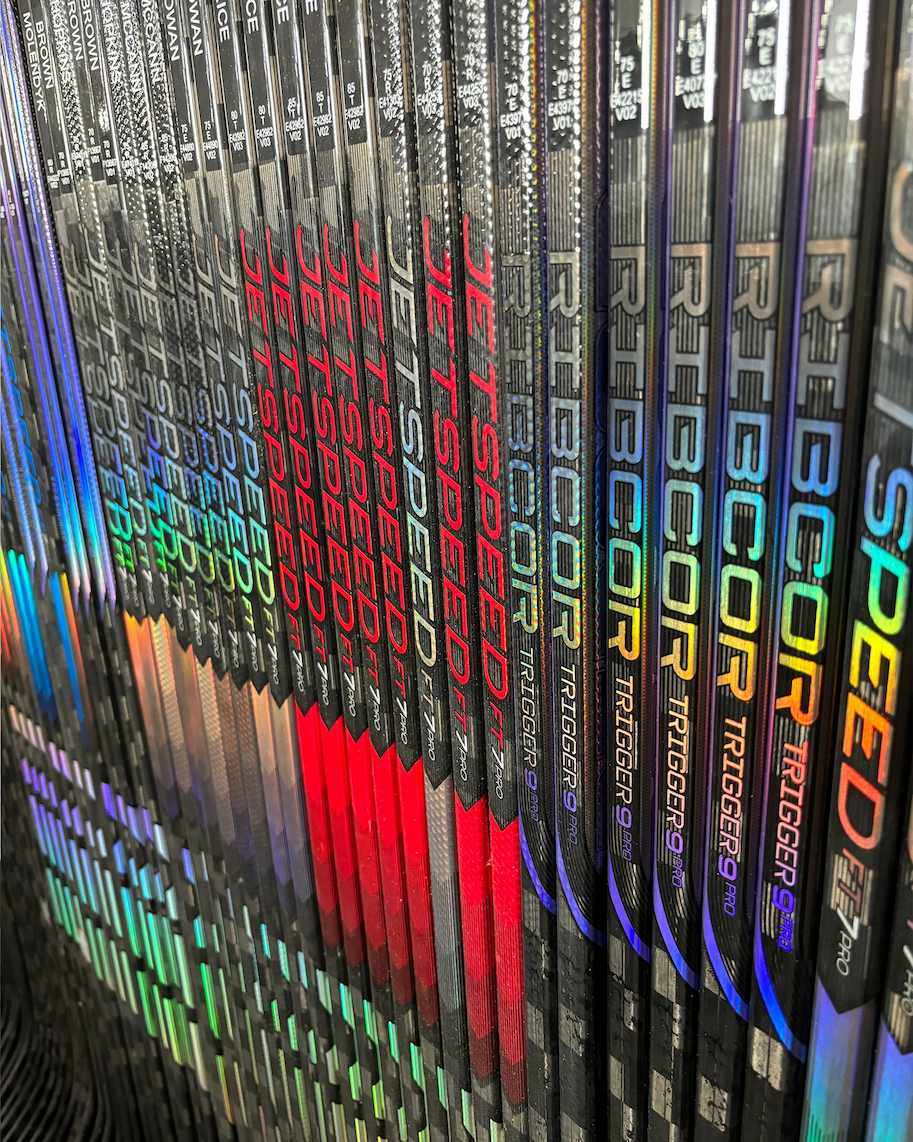
Retail hockey sticks are designed with a broader group of players in mind. Instead of being built for one specific professional athlete, they can suit different skill levels, playing styles, and budgets. From beginners learning proper technique to experienced players looking for reliable performance, retail sticks are made to offer consistency and versatility across the board.
Manufacturers spend a lot of time testing and refining these sticks so they feel familiar and dependable for most players. Flex options are clearly labelled, curves are standardized, and the balance point is designed to suit the majority rather than one individual. This makes it easier to choose a stick without having to worry about whether it was made for someone with completely different preferences or playing habits.
Another advantage of retail sticks is how easy they are to compare. Because they follow a more consistent structure, you can usually try the same model in different flexes or blade patterns and quickly figure out what works best for you. Whether you prefer a quicker release for wrist shots or a slightly stiffer feel for powerful slap shots, retail options give you the chance to experiment without feeling like you’re taking a risk on something too specialized.
Next, retail hockey sticks are easier to find and replace. If you break one or maybe decide you want the same model again, chances are it will still be available in stores or online. That kind of consistency matters for players who like sticking with gear that already feels comfortable.
At the same time, retail sticks still use many of the same technologies found in higher-end hockey gear. Lightweight materials, modern kick points, and improved blade construction are now available across a wide range of models. This means you can still enjoy solid performance without needing a stick that was built specifically for a professional player.
On the downside, this standard option can feel limiting when you know exactly what you want from your hockey gear. If you prefer a very specific curve, a unique flex profile, or a lighter stick built around your style, these models can be too generic.
Also, players who shoot a lot or rely on quick releases may notice that standard retail options don’t respond the way they expect. They also make less sense if you replace sticks often, because you keep paying full retail instead of getting something built closer to your preferences.