
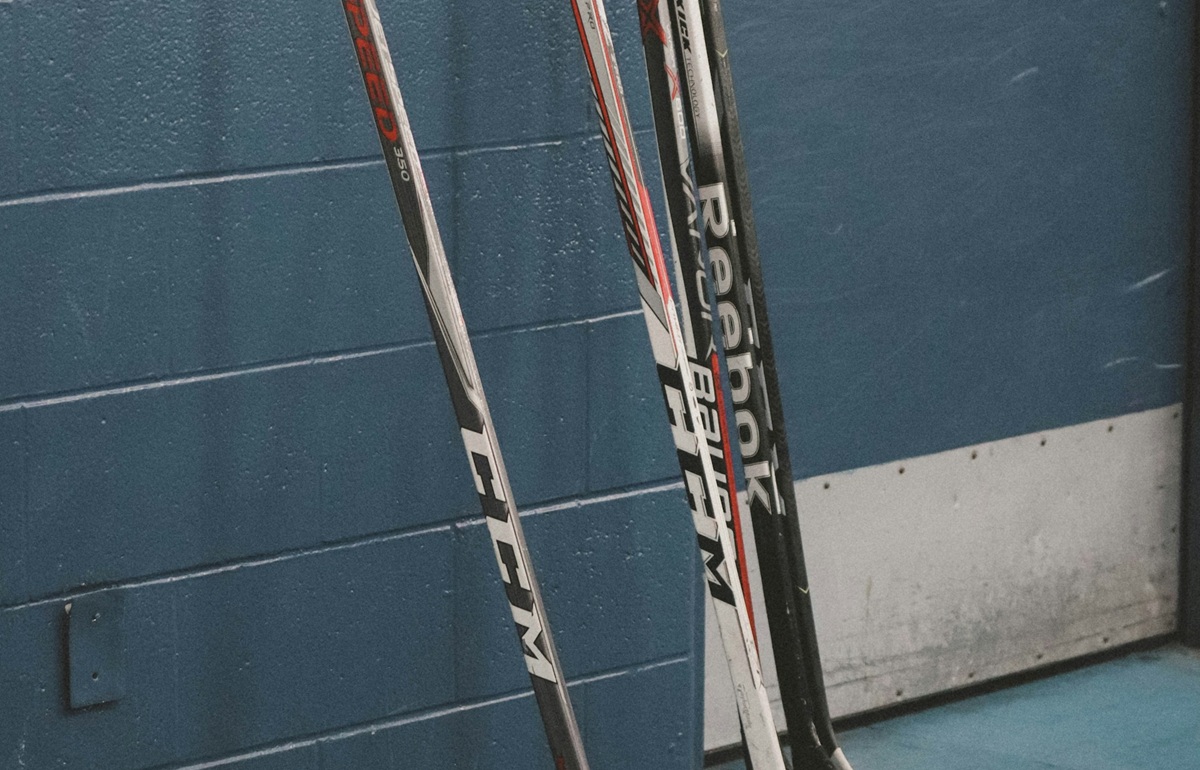
Hockey sticks have come a long way over the years, with manufacturers constantly introducing new designs, materials, and technologies to improve performance. From changes in weight and length to different flex profiles and kick points, even small variations can affect how the equipment feels and responds during play. While holding a few sticks at your local hockey shop can give you a better feel for their design, knowing what to look for before you buy is just as important.
When browsing hockey sticks for sale, you’ll come across established brands such as Bauer, CCM, Warrior, and True, each offering a range of models with different blade patterns, shaft shapes, and flex options. This makes it easier to find a design that feels comfortable and complements the way you handle, pass, and shoot the puck. Understanding the main features of each model will help you compare your options and make a more informed choice before buying.
Which Hockey Stick Material Is Best?
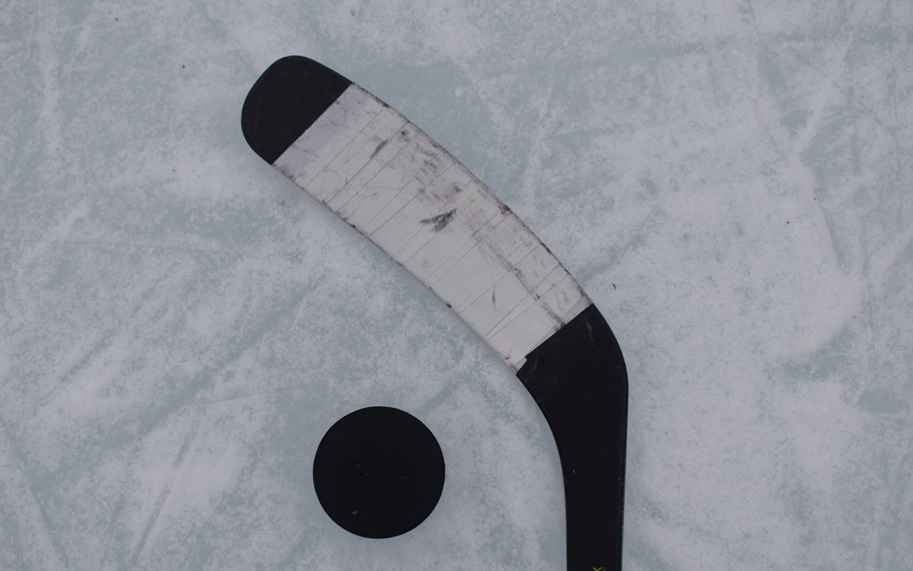
One of the first things to consider when choosing gear is what it’s made from. Most models fall into two categories: traditional wood or modern composite.
Wood options have a classic feel that some players still prefer. They’re generally heavier than composite models, but tend to be more affordable, making them a practical option for beginners and younger players who are still growing. They can also be a good choice if you’re shopping on a tighter budget. However, as players become more experienced, the extra weight and more basic construction may feel limiting.
Composite hockey sticks for sale, usually made from carbon fibre, fibreglass or a combination of materials, are now much more common. Their lighter construction makes them easier to handle, while their engineered flex and kick-point designs can help with quicker shots and more efficient energy transfer. They usually cost more than wooden sticks but offer features that can benefit players as their skills develop.
Understanding Shaft Length, Shape and Grip
Getting the shaft length right is important for both comfort and performance. As a general guide, most players look for hockey sticks online that reach somewhere between their chin and nose when standing in skates, although personal preference plays a part. Keep in mind that trimming the shaft makes the stick stiffer and increases its flex rating, so consider this before cutting it. If you’re unsure about the ideal length, start slightly longer and shorten it gradually as needed.
The shaft’s shape and grip can also affect how the equipment feels in your hands. Some models have a simple finish, while others feature textured grips or specially shaped shafts designed to improve comfort and handling. Brands such as Bauer and CCM offer different shaft profiles, so trying a few options can help you find one that feels natural when shooting, passing, and stickhandling.
One-Piece vs. Two-Piece Sticks
One-piece designs are generally the preferred option for players who want high performance and a more responsive feel. Their seamless construction helps deliver consistent energy transfer when shooting, while the integrated design gives manufacturers more room to fine-tune the kick point and blade connection. The downside is the higher price, which can make them a bigger investment.
Two-piece designs, on the other hand, are often more affordable and allow you to mix and match shafts and blades to find a setup you like. Replacing a damaged component can also be cheaper than buying a whole new stick. However, they may not offer quite the same feel or shooting performance as a well-designed one-piece model.
Flex Rating and Kick Point
Flex rating and kick point are two important details to consider when choosing a hockey stick, as both affect how it feels when shooting. The flex rating tells you how easily the shaft bends under pressure. For example, a 75-flex stick is designed to bend approximately one inch when 75 pounds of force is applied under standard testing conditions. A lower flex is generally easier to load, while a higher flex requires more force. The kick point, meanwhile, refers to the area of the shaft where most of the bending takes place. Common options include:
-Low kick: Flexes closer to the blade, allowing for a quicker release. It’s often preferred by players who take fast shots from close range.
-Mid kick: Offers a balance between quick release and shot power, making it a versatile option for different playing styles.
-High kick: Requires more effort to load but can suit players who favour powerful shots and have time to wind up.
-Hybrid kick: Combines characteristics of low and mid kick designs, offering flexibility for players who take different types of shots.
Your ideal combination depends on your strength, shooting technique, and personal preference. It’s worth trying different flex ratings and kick points to find a stick that feels comfortable and lets you get the most out of your shots.
Blade Stiffness and Curve
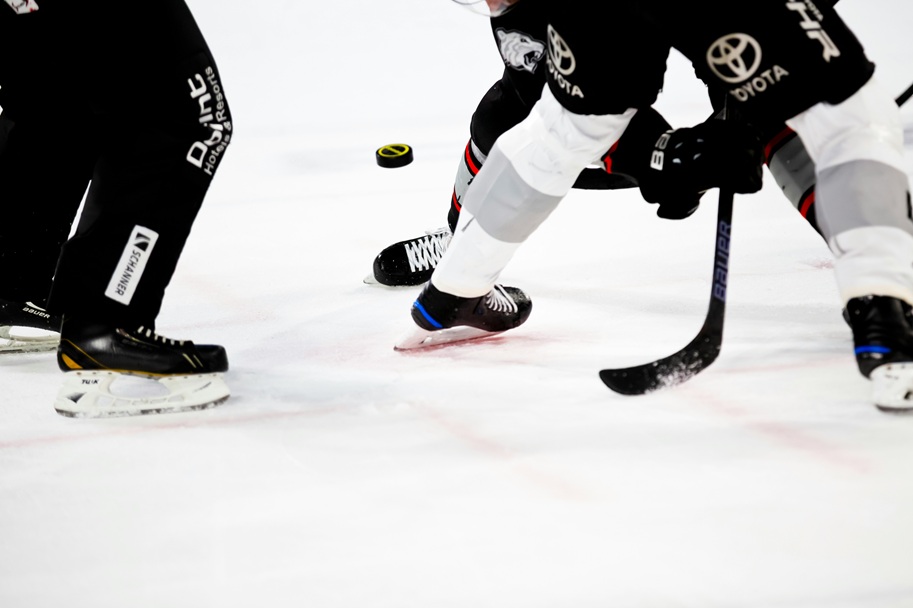
The blade plays a bigger role in a stick’s performance than you might think. A softer blade can flex and twist slightly during a shot, potentially adding power, while a stiffer one offers a more stable feel and better puck control. The right balance often depends on the stick’s kick point and your playing style. You should also pay attention to the blade curve, as it affects how easily you can shoot, pass, and handle the puck. A deeper curve can make forehand shots easier, while a flatter blade generally offers better control on backhands. If you’re buying a stick for a young player, a simple, comfortable curve is a sensible place to start.