
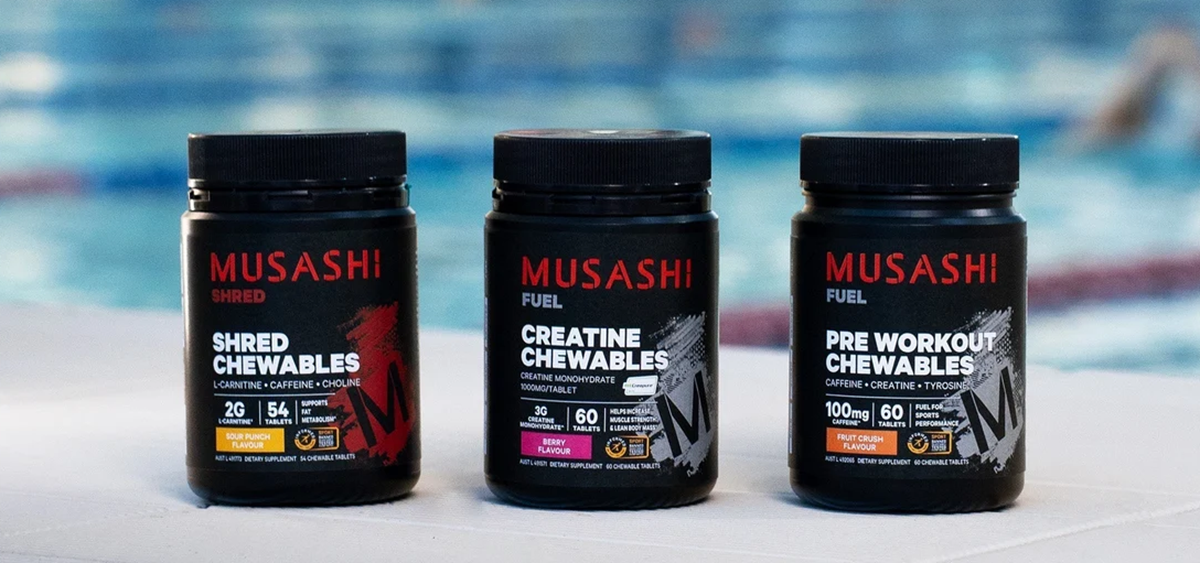
Timing plays an interesting role in sports nutrition. What you eat before exercise serves a different purpose from what you need after a demanding training session, and sports supplements reflect these different stages of your routine. Pre-workout and post-workout formulas often contain different ingredients, target different nutritional needs, and come with different considerations. But what actually separates them? Understanding their ingredients and intended purposes will help you make sense of sports nutrition labels before you buy pre-workout supplements from every fitness trend.
Understand What a Pre-Workout Supplement Is Designed For
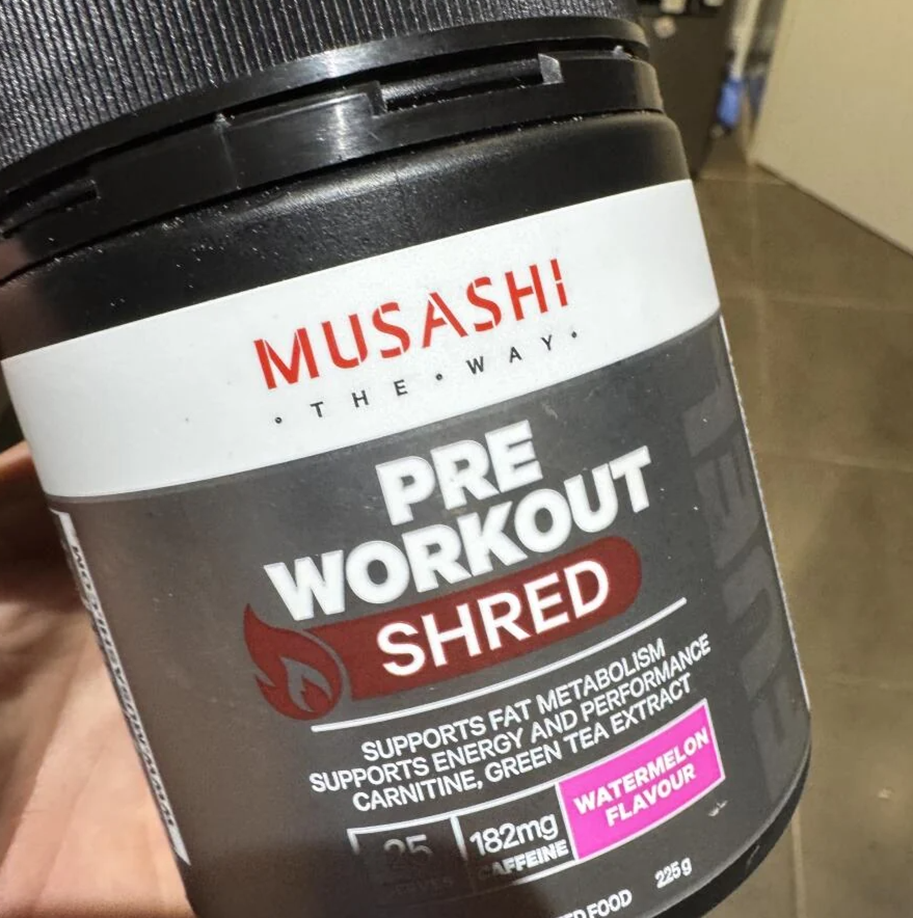
As the name suggests, an energy-producing pre-workout supplement is marketed for the period before physical activity. These products typically contain combinations of ingredients associated with alertness, energy metabolism, or exercise performance. Their formulations vary, so checking the ingredient list matters more than relying on the name printed on the packaging.
Caffeine is a common ingredient in many pre-workout formulas because it acts as a stimulant. Other products may contain beta-alanine, citrulline, or creatine, each with a different role in sports nutrition.
For instance, beta-alanine contributes to muscle carnosine production, while creatine helps your muscles produce energy during short, intense activities. Citrulline contributes to processes involved in blood flow. However, these ingredients have different effects, and their inclusion doesn’t automatically make a product suitable or necessary.
When you come across these products, pay attention to a few important details before you buy pre-workout supplements:
- Ingredient transparency: Look for clear information about what’s included in the formulation.
- Stimulant content: Some products contain substantial amounts of caffeine or other stimulating ingredients.
- Individual suitability: Age, health, medication, and caffeine sensitivity can all affect whether a product is appropriate.
It’s worth remembering that you don’t need a pre-workout formula to prepare for exercise. Regular meals, adequate hydration, and sufficient sleep provide a much more important foundation for physical activity.
Explore the Purpose of Post-Workout Supplements
Post-workout products focus on nutrition after exercise. Their formulations often contain protein, carbohydrates, or both to help you meet your nutritional needs during physical activity.
Protein deserves particular attention because it supplies amino acids, which your body uses to maintain and repair muscle tissue. That’s why you’ll often find whey protein, casein, or plant-based protein in products marketed for post-workout nutrition.
Carbohydrates also have an important role. Your muscles use stored carbohydrates, known as glycogen, as an energy source during exercise. Eating carbohydrate-rich foods helps replenish those stores, particularly after prolonged or demanding activity.
Some products combine protein and carbohydrates in a convenient formula, while others concentrate on protein alone. You can also obtain these nutrients through everyday foods. Eggs, yoghurt, beans, fish, whole grains, and fruit all contribute to a balanced diet.
Water helps replace fluids lost through sweating, while electrolytes such as sodium and potassium play a role in maintaining fluid balance. For ordinary physical activity, water is generally enough.
Compare Pre-Workout and Post-Workout Ingredients
The ingredient list offers one of the clearest ways to understand how these products differ. Pre-workout formulas often contain stimulants or ingredients linked to exercise performance, while post-workout products tend to focus on nutrients that support your body’s nutritional needs after activity.
Caffeine, for example, appears in many pre-workout products because it stimulates the central nervous system and affects alertness. Beta-alanine supports muscle carnosine production over time, while citrulline participates in processes involved in nitric oxide production.
Post-workout formulas take a different approach. Protein provides amino acids that contribute to muscle maintenance and repair, while carbohydrates help replenish the glycogen your muscles use during exercise. Some products also contain electrolytes to replace minerals lost through sweat.
You might notice that certain ingredients, such as creatine, appear in products marketed for both stages of exercise. That’s because their nutritional role doesn’t necessarily depend on whether you consume them before or after a workout. Creatine, for instance, supports energy production during short, high-intensity activities, and consistent intake matters more than precise timing.
The important distinction lies in the overall formulation and its intended purpose, rather than the product category alone.
Consider Timing, Convenience, and Your Exercise Routine
The timing of sports nutrition is often what your body needs throughout the day. Pre-workout products target the period before exercise, while post-workout formulas focus on nutrition afterwards.
However, you don’t need to follow a complicated supplement schedule to support an active lifestyle. Your regular eating habits matter far more than trying to consume ingredients at an exact moment.
For example, eating a balanced meal before physical activity provides energy and nutrients, while a meal afterwards can supply protein and carbohydrates. You can plan these meals around your daily schedule without relying on specialised products.
Convenience also plays a part in how people approach sports nutrition. Powdered products, ready-made drinks, and protein-rich snacks offer different formats, but none should replace balanced meals as the foundation of your diet.
What to Consider Before Choosing a Supplement
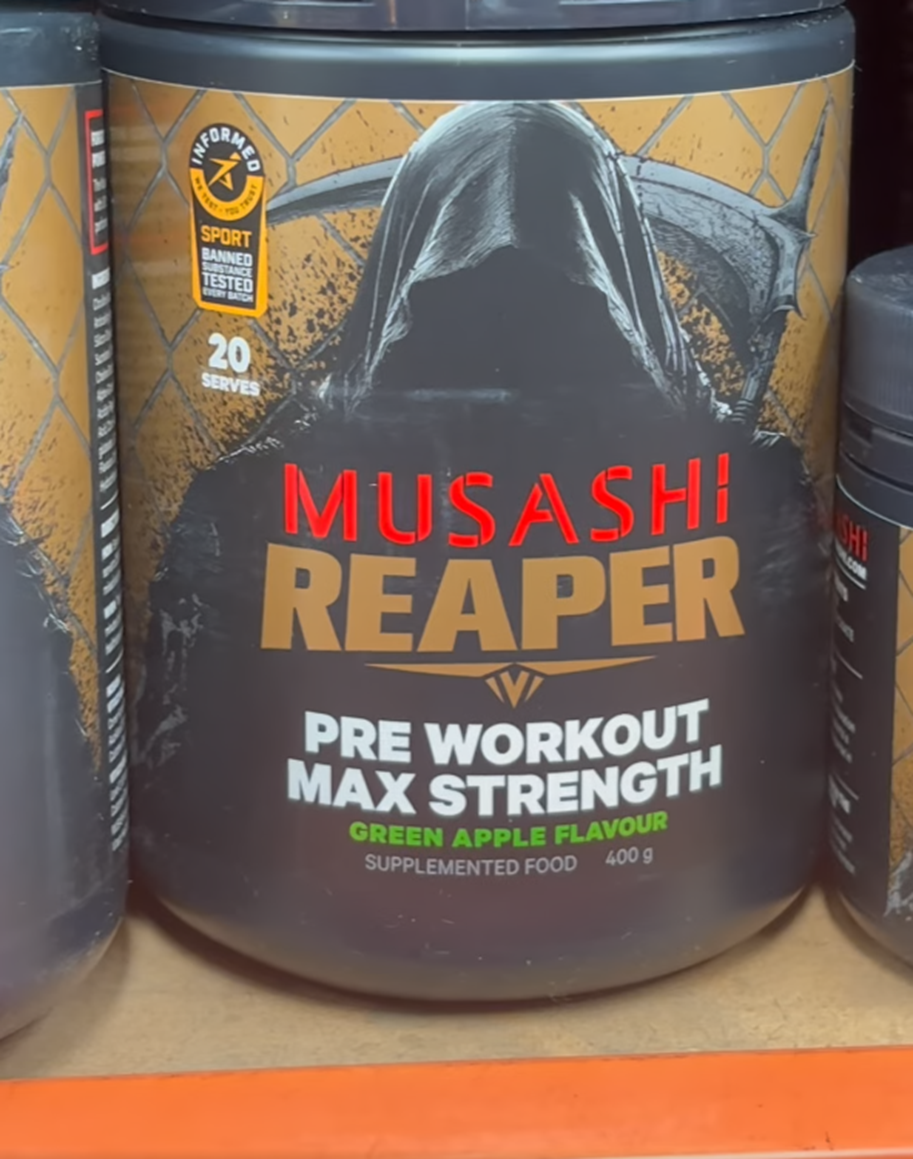
Sports nutrition labels can look impressive, particularly when manufacturers list several ingredients and make bold performance claims. However, a longer ingredient list doesn’t automatically mean a better product.
Start by considering your overall nutrition. If you already eat a varied diet and get enough protein, carbohydrates, and fluids, you may not need additional products at all.
Pay particular attention to caffeine and other stimulants in pre-workout formulas. These ingredients can affect sleep, concentration, and heart rate. Health authorities advise young people to avoid stimulant-heavy energy products and warn against caffeine-containing energy drinks for children and adolescents.
It’s also important to remember that dietary supplements can vary in quality and that their labels don’t always tell the whole story. If you have questions about sports nutrition, ingredients, or your individual dietary needs, speak with a qualified healthcare professional or registered dietitian before considering supplementation.
Understand the Difference Before Making Your Choice
Pre-workout and post-workout supplements have different intended roles. Pre-workout products often contain ingredients associated with alertness and exercise performance, while post-workout formulas commonly provide protein and carbohydrates to help meet nutritional needs after physical activity.
Understanding these differences makes it easier to read product labels and separate useful nutritional information from marketing claims. You don’t need an elaborate supplement routine to enjoy exercise or support an active lifestyle. Focus on balanced meals, regular hydration, quality sleep, and consistent physical activity first.