
Horses are majestic animals with endless possibilities for those who care for them. From competitive sports and casual rides to trusted ranch companions, horses can bring joy and companionship to people from all walks of life.
With this in mind, proper horse care is essential to maintaining a horse’s health, happiness, and overall well-being. As these wonderful animals rely heavily on their hooves during various strenuous activities, adequate hoof protection is necessary to support their comfort, mobility and long-term health.
As a farrier, your goal is to understand the ever-evolving hoof protection materials and techniques to better assess each horse’s needs and determine the most suitable option for its health and comfort.
From traditional solutions such as metal horseshoes to other alternatives like modern equine hoof pads that maintain the position of the frog, understanding the differences between these options can help you make informed decisions about hoof care. Let’s explore what each option has to offer, how they differ and which may be best suited to a horse’s individual needs.
What Are Traditional Horseshoes?
Many modern households and equestrians rely on horses for various reasons. The need for horses is nothing new, and although many new hoof protection methods have been developed and tested, traditional horseshoes remain one of the most widely used solutions for different horses’ needs.
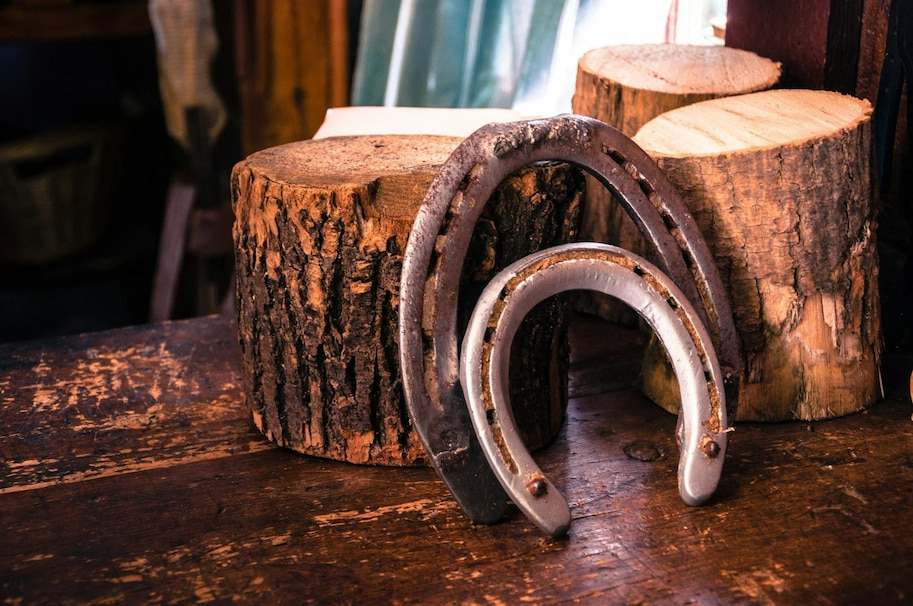
A traditional horseshoe is a protective hoof covering shaped like a U and fitted specifically to a horse’s foot. These types of hoof protectors are traditionally made from metals such as aluminum and steel, copper and titanium, although some are also made from synthetic composite materials.
As most farriers are probably familiar with, a horseshoe must be selected and fitted to suit each individual horse. This is why horseshoes are often customized to accommodate a horse’s unique hoof dimensions, grooves and angles.
The main reason horses still need this type of hoof protection today is the variety of strenuous activities they perform. Competitive sports, pulling heavy carts and even walking on uneven, poorly maintained terrain can be rough on a horse’s bare hooves and cause pain or discomfort. This is why metal hoof protection was developed in the first place. It helps protect horses from excessive wear and injury while supporting their comfort and performance across various terrains.
Some horses also struggle with specific hoof-related conditions and imbalances. Carefully selected and fitted corrective horseshoes can help manage certain hoof problems, improve hoof balance and support a horse’s mobility. In some cases, the right corrective shoeing approach can make a significant difference to a horse’s comfort and quality of life.
Understanding Modern Hoof Pads
A horse’s hoof is far more sensitive and soft than many people realize. This is why, in some cases, metal horseshoes applied directly to the hoof may cause discomfort if they are not properly fitted.
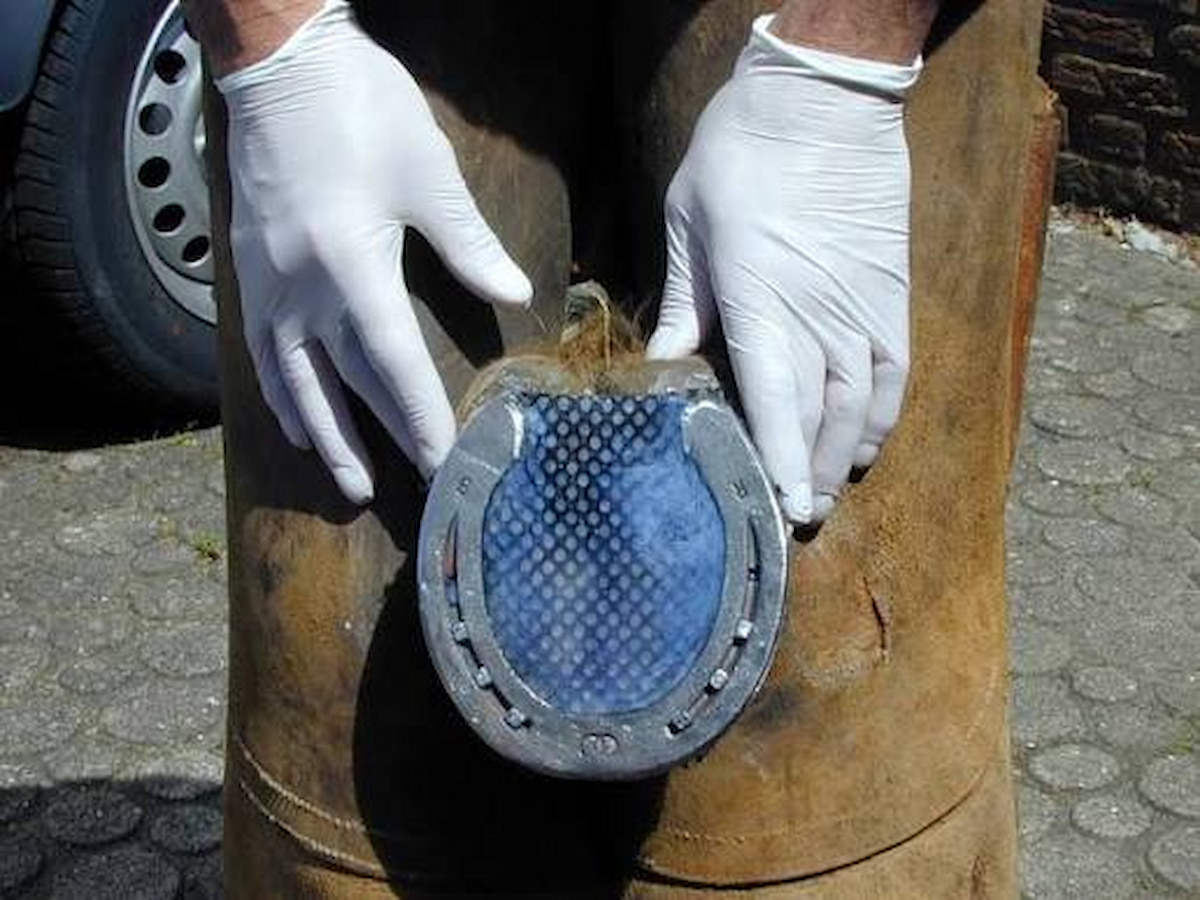
Equine hoof pads are modern solutions that aim to protect every inch of a horse’s hoof, including areas that regular horseshoes don’t cover on their own.
Hoof pads are soft, silicone pads that fit over or beneath the hoof, depending on their design, and help protect sensitive areas when walking on uneven terrain.
The most sensitive part of a horse’s hoof is the middle part, also known as the frog. When a horse walks, runs, or performs its daily tasks, this area experiences pressure that can contribute to pain, sensitivity, and discomfort, especially when hoof problems are present.
Hoof pads are relatively easy to manufacture and customize. Some modern designs use 3D printing to create pads with dimensions suited to each individual hoof. They can be relatively affordable, easy to fit, and comfortable for the horse when properly selected. The main purpose of designing these types of hoof protection solutions is to provide better shock absorption, cost-effective manufacturing and greater hoof coverage than a traditional horseshoe alone.
There are various types and styles of pads developed over the years. They are mostly made from combinations of elastic, durable, and comfortable materials such as rubber, plastic, polyurethane, and even leather. Some hoof pads can be worn on their own to protect the underside of the hoof, while others are designed to serve as secure and comfortable bases beneath traditional horseshoes.
Comparing the Benefits of Each Hoof Protection Method
When comparing both methods of hoof protection, things aren’t as simple as they may seem. Both horseshoes and hoof pads protect a horse’s hooves in different ways, but they are also designed to support different needs, requirements, and workloads.
With this in mind, here is a brief breakdown of the most important qualities each hoof protection method offers, helping farriers examine the options and identify what works best for the horses they’re currently working with.
In terms of protecting a horse’s hooves, both horseshoes and hoof pads do the job well, just in different scenarios. Horseshoes are ideal for walking on hard surfaces, such as asphalt, specialized tracks, or hardened dirt. Hoof pads are commonly used to protect the entire sole on rocky terrain, rough ground, or during high-impact activities such as jumping and performing tricks.
Most horses benefit greatly from traditional horseshoes, provided they are fitted correctly to the horse’s hooves. Hoof pads can offer additional comfort because they tend to be softer. This means that many horses can benefit from either type of protection, but horses with more sensitive hooves may benefit from the extra cushioning that hoof pads provide.
One thing horseshoes tend to be better at than hoof pads is durability. Because they are made of metal, they are often extremely durable and generally withstand regular use, although they can still be damaged by heavy wear or accidents. Because hoof pads are made from materials such as rubber or silicone, they can wear down more quickly, but they are often cheaper to replace.
On the other hand, hoof pads are often more versatile than horseshoes. They come in a variety of styles, with some protecting the entire underside of the hoof and others sitting along the edges, much like a horseshoe. They can be made from various materials and can even come with specialized attachments that allow them to be used alongside traditional horseshoes.
Conclusion
There isn’t a universal rule that tells you whether a horse needs horseshoes, hoof pads, or both. You can chat with the owner about the horse’s habits, tasks and lifestyle to get to know its routine. Based on the activities it performs, the condition of its hooves and its age, you’ll ultimately decide whether to go with traditional designs or something a little more innovative and modern.
New tools and solutions come and go every day, but if there’s one thing that’s here to stay, it’s horse hoof pads. They are comfortable, easy to design and develop, and offer many benefits for horses, making them a valuable addition to modern hoof protection options.