

At first glance, boxing and Muay Thai gloves may seem almost interchangeable. They both protect your hands during training, but their similarities largely stop there. Each sport places different demands on your hands, wrists, and overall technique, which is reflected in how the gear is designed. Boxing gloves are primarily designed for punching, while Muay Thai options accommodate a much wider range of movements, including kicks, blocks, and clinching. Differences in the shape, padding, and flexibility can affect how each pair feels during training. Choosing the right type can therefore make your sessions more comfortable and help you use the equipment as intended.
Key Differences
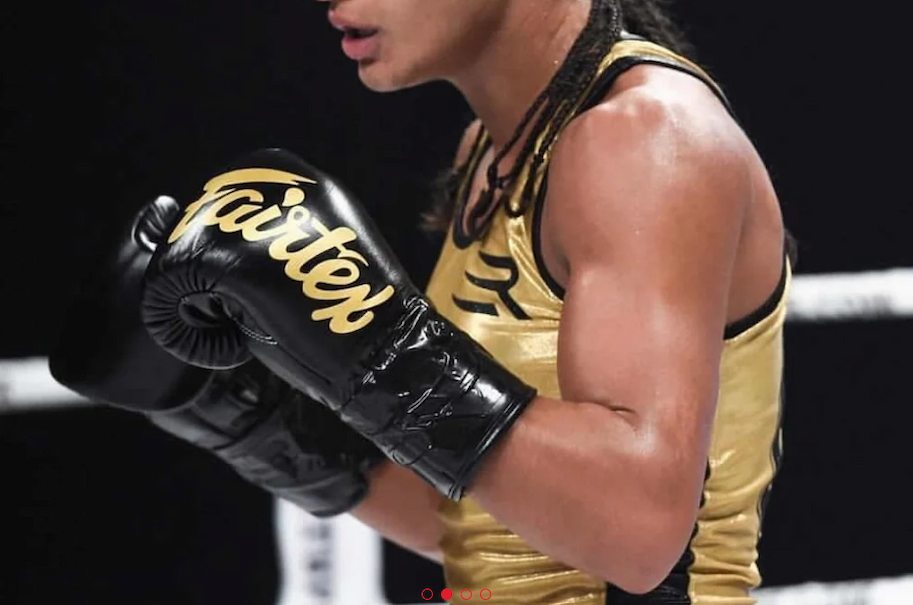
At first glance, regular and Thai boxing gloves can look similar, but they’re designed for different types of training. The main difference comes down to movement and versatility. Boxing gloves are primarily designed to protect the hands throwing punches, making them a natural choice for bag work, pad sessions, and boxing sparring. Their more structured shape and concentrated knuckle padding help create a firm, protected fist, while the wrist support helps keep the hand stable when striking.
Alongside punches, authentic Thai box gloves are used for techniques such as catching kicks, blocking strikes, and working in the clinch. The design is generally less rigid. This allows the hand to move and open more freely. That extra flexibility makes a big impact when you need to grab, control, or redirect an opponent rather than make a closed-fist punch.
The padding is another area where the two designs differ. Boxing models tend to have more padding around the knuckles, reflecting the sport’s strong emphasis on punching. Muay Thai gloves usually distribute padding more evenly, offering protection suited to the wider variety of strikes and defensive movements involved in training.
So, which should you choose? If your training is centred around boxing, a traditional boxing design will usually make the most sense. If you’re practising Thai or kickboxing, a more flexible design can give you the freedom for punches, clinching and defensive techniques. Neither option is necessarily better overall; it simply depends on how you train and what you need from your equipment.
Why Choose Thai Gloves for Clinching?
Clinch work is a big part of Muay Thai, so it’s important to choose equipment that allows your hands to move naturally. At close range, fighters use their hands to control an opponent’s head or arms, manage distance, and create opportunities to land knees. That kind of technique requires much more hand movement than simply forming a fist and throwing punches.
This is where flexible Thai box gloves can help. The fingers and palm have greater freedom of movement, making it easier to open the hand and establish control during close-range exchanges. By comparison, the firmer shape of traditional boxing equipment is designed around keeping the hand in a closed, protected position, which can make clinching feel less natural.
The differences aren’t limited to hand movement. Kickbox gloves are designed with the sport’s wider range of techniques in mind, including defending against kicks. The construction around the wrist and padding can provide useful protection when blocking or dealing with incoming strikes to the legs.
Consider Your Playing Style
No single option is right for everyone. The best choice depends largely on what your training sessions look like and which techniques you use most often. Think about how you train rather than choosing based on appearance or what another fighter uses.
-Boxing: If you’re focused solely on boxing, traditional gloves can be a good fit. The firmer construction provides strong wrist support and knuckle protection for punch-focused training.
-Muay Thai or kickboxing: If your sessions involve punches alongside kicks, knees and clinch work, the added flexibility of Muay Thai gear can be more practical. The design gives your hands more freedom for controlling an opponent at close range.
-Heavy bag work: Boxing models work well for sessions centred mainly around punches. If you’re also practising kicks and knees on the bag, however, a more flexible design may suit your training better.
-Sparring: For sparring, size matters as well as the type of equipment you choose. Many gyms use 400-to-450-gram options for this type of training, but requirements can vary, so check your gym’s rules and follow your coach’s guidance.
Ultimately, your training style should guide your decision. Consider what you spend most of your time practising and choose equipment that supports those movements comfortably.
Common Mistakes to Avoid
Appearance should be well down the list of priorities. A comfortable fit, suitable padding and reliable support are important factors when wearing your gear regularly. You should also pay attention to weight, as the right size depends on factors such as the type of training you’re doing and your build. Another common mistake is expecting one pair to handle every session. Bag work, sparring, and different combat sports can place different demands on your equipment, so choose the appropriate option for each type of training. Wrist support shouldn’t be overlooked, particularly if you’re doing a lot of punching.
Finally, don’t automatically go for the cheapest option. Poor-quality padding can lose its shape or wear down with regular use, which leaves your hands less protected. Spend a little more on well-made equipment to avoid buying a new pair down the line.