
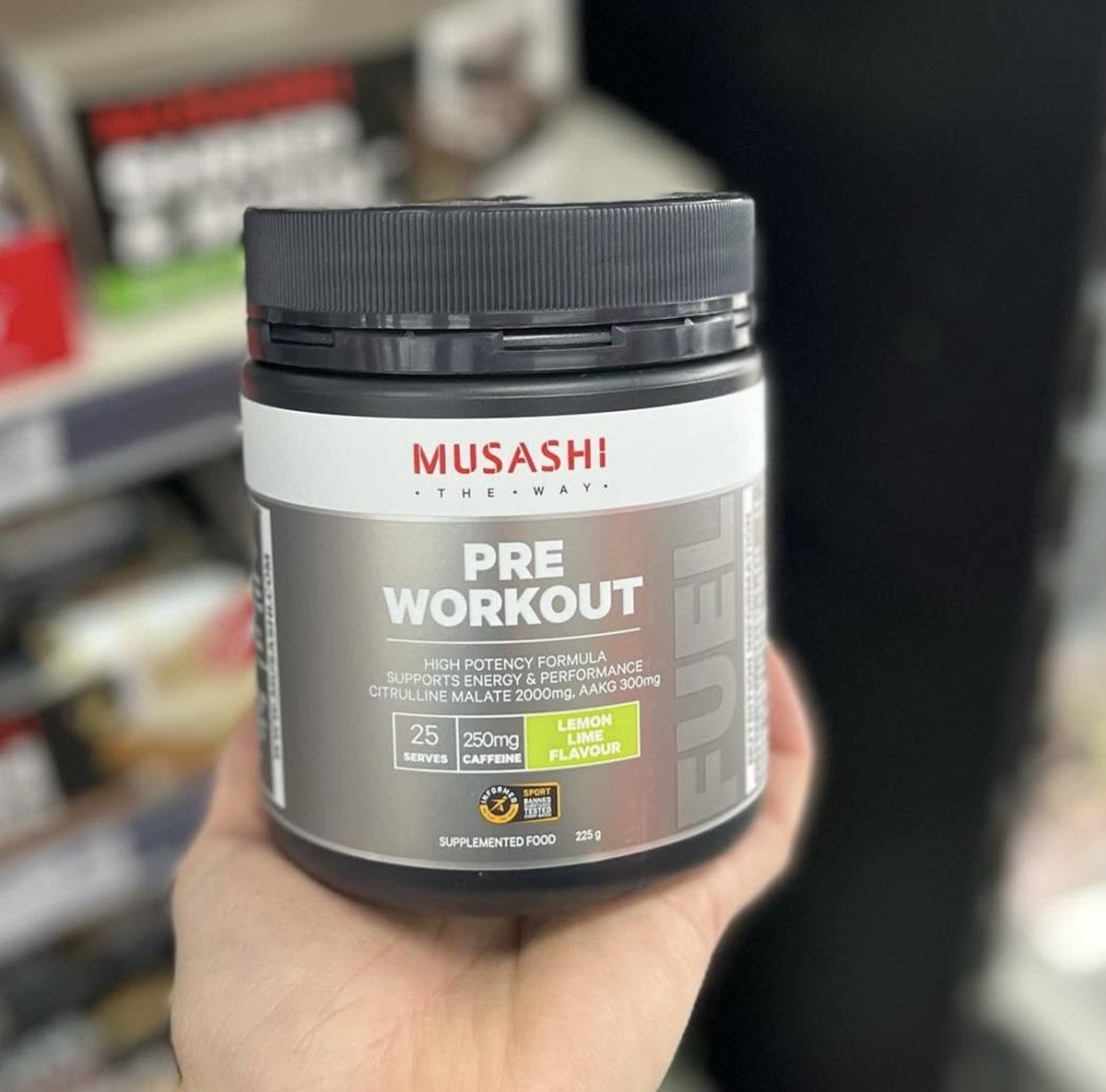
Walking into a sports nutrition aisle can feel like entering a maze. Powders, bars, creatine, pre-workouts and recovery products all offer something different. The smartest approach is not to choose the product with the boldest claim or biggest tub. Instead, compare the details that matter for your goals, diet, training and budget.
Start With Your Training Goal
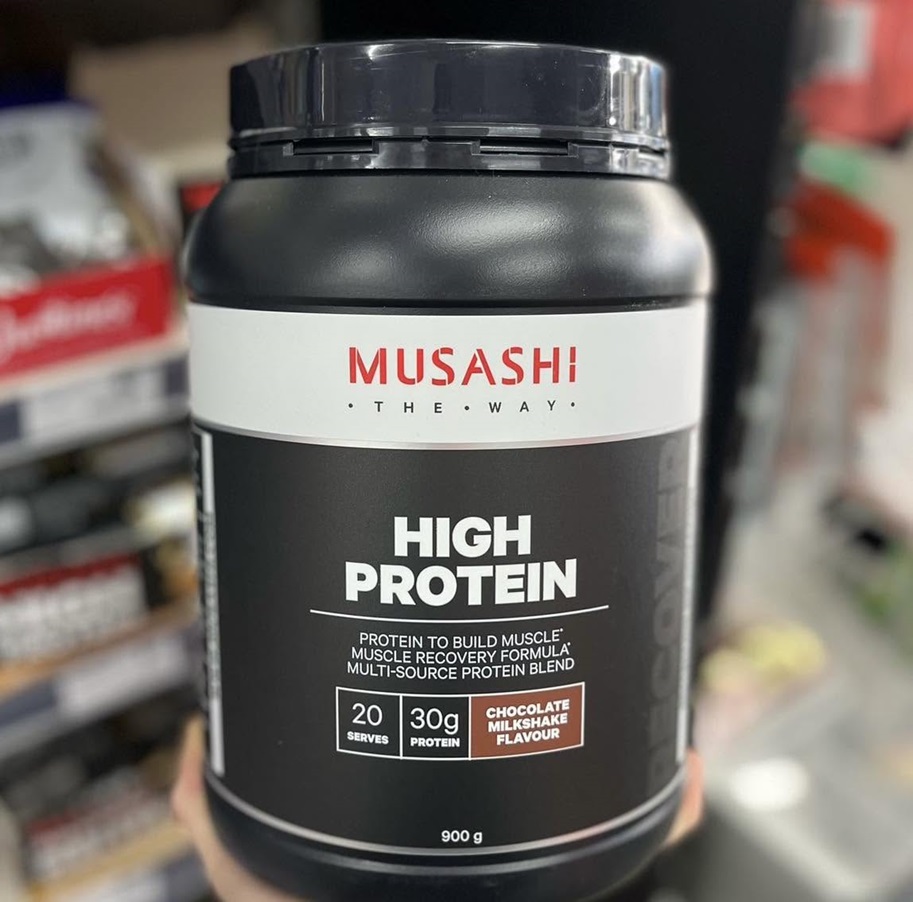
Before exploring and comparing brands and flavours, you have to decide what you actually need the supplements for, and your training goal is a great starting point. If your main goal is muscle building, a protein powder or a snack rich in protein is an obvious choice because it’ll increase your protein intake. If you’re a vegan or vegetarian, you need a plant-based protein. And if you’re doing short, high-intensity workouts, creatine is the best option. The best-performing is creatine monohydrate.
Where to shop is also something you should figure out. Finding reliable, well-stocked sports nutrition stores is a must. The store should have clear product descriptions and experienced staff to help you make an informed decision.
Compare the Type of Supplement
Once you have your goal figured out, it’s time to choose the product that best supports it. Protein powders are great for reaching your protein goal for the day, and protein bars are good to have when you’re on the go. Creatine, on the other hand, is a great pre-workout supplement that helps during your training sessions.
It makes more sense to buy a few carefully selected products that serve different purposes than buying plenty of supplements that have overlapping benefits. Don’t forget to consider how often you’ll use the product. This way you can easily incorporate it into your daily routine and lifestyle.
Look at the Protein Source
Protein powders all look very similar on the shelf, but the protein source can make a big difference in your choice. Whey concentrate, whey isolate, and plant-based proteins each have different characteristics. Whey products come from milk, and plant proteins come from sources such as peas, rice and legumes.
Some plant-based proteins combine a few sources to provide all the necessary nutrients. See how much protein you get per serving and narrow down your options.
Read the Nutrition Panel
Always read the nutrition panel, not just the front label. That’s where all the nutrition information is and where your comparison should start. The main information on it is energy, protein, fat, saturated fat, carbohydrate, sugars and sodium, with information provided per serving and per 100 g or 100 ml.
When you have everything displayed, it’s easier to compare. While one product might advertise high protein content, it may simply require a larger serving size to deliver it. That’s why you should always compare protein per serving. Check the ingredients list as well. They’re usually listed in descending order of weight, so the ones on top are there the most. Take your time and don’t make rushed decisions.
Check Ingredients and Quality Information
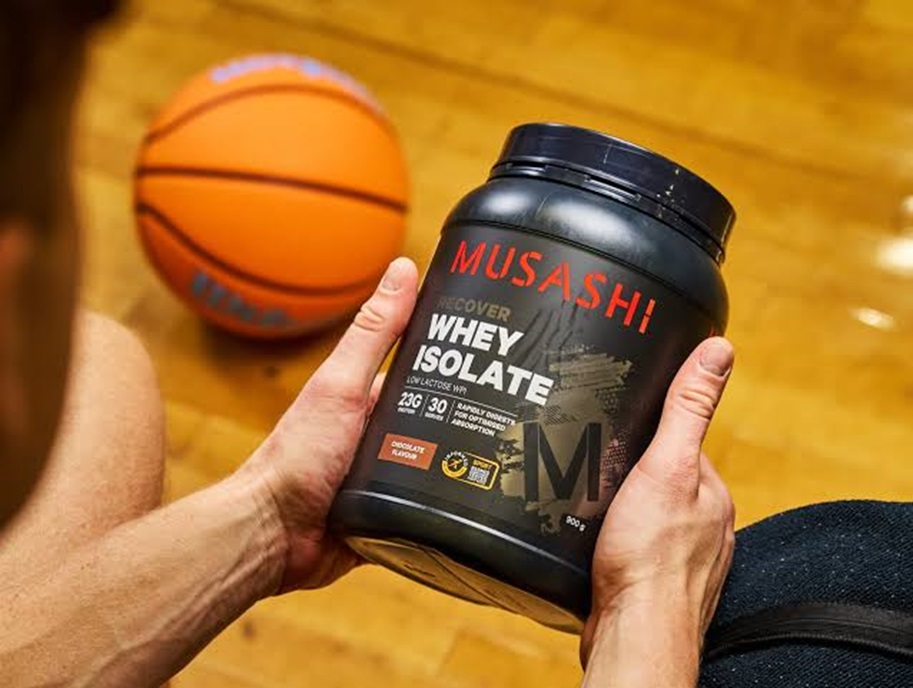
A good comparison is more than just the protein. Look at the ingredient list and see if the product contains what you personally need. Some people prefer a simpler formulation, need to avoid particular allergens or want a product with a specific dietary certification.
No matter which sports nutrition stores you go to, make sure you make an informed decision. Look for clear instructions, relevant third-party testing and certification. These things can provide very useful information. Consider the directions of use as well, and remember that these products are supplements, not replacements.
Compare the Cost Per Serving
To make sure you’re getting the best value, calculate the cost per serving. For example, let’s say one product costs $45 and contains 30 servings. That comes out to $1.50 per serving. Another costs $35 but contains only 20 servings, making it $1.75 per serving. The cheaper product has the lower buying price, but the first option provides the lower cost per serve.
Consider Convenience and Format
The best supplement is also one you will realistically use. Buying a large tub of protein powder from the supplement store makes sense if you regularly mix it into daily shakes or meals and have the time to prep them. If you’re commuting or always on the go, you’ll benefit from having protein bars in your bag. Convenience is key when choosing a supplement that fits seamlessly into your daily routine.
In Summary
Choosing a sports supplement does not need to be complicated. Start with your goal, understand what the product provides and compare the details that affect value and suitability. A few minutes spent reading labels and checking the numbers can help you make a more informed choice and find a product that fits your training routine.