
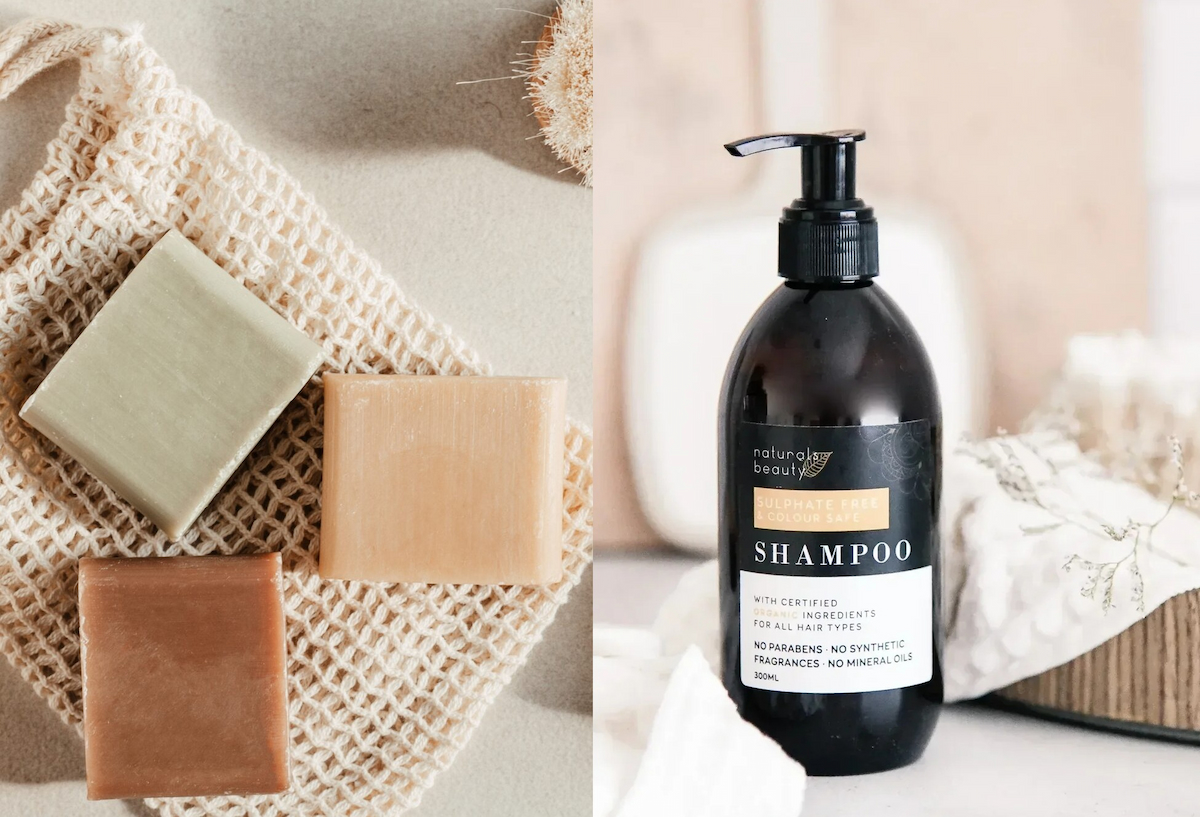
What Is the Most Environmentally Friendly Shampoo?
One of the most eco-friendly shampoos is the one free from plastic packaging, harmful chemicals and toxins, and the one that doesn’t contain water, hence the solid bar. Even though there are many chemical- and toxin-free liquid shampoos, it’s the water and plastic packaging that make them harmful to the environment.
What Is a Shampoo Bar?
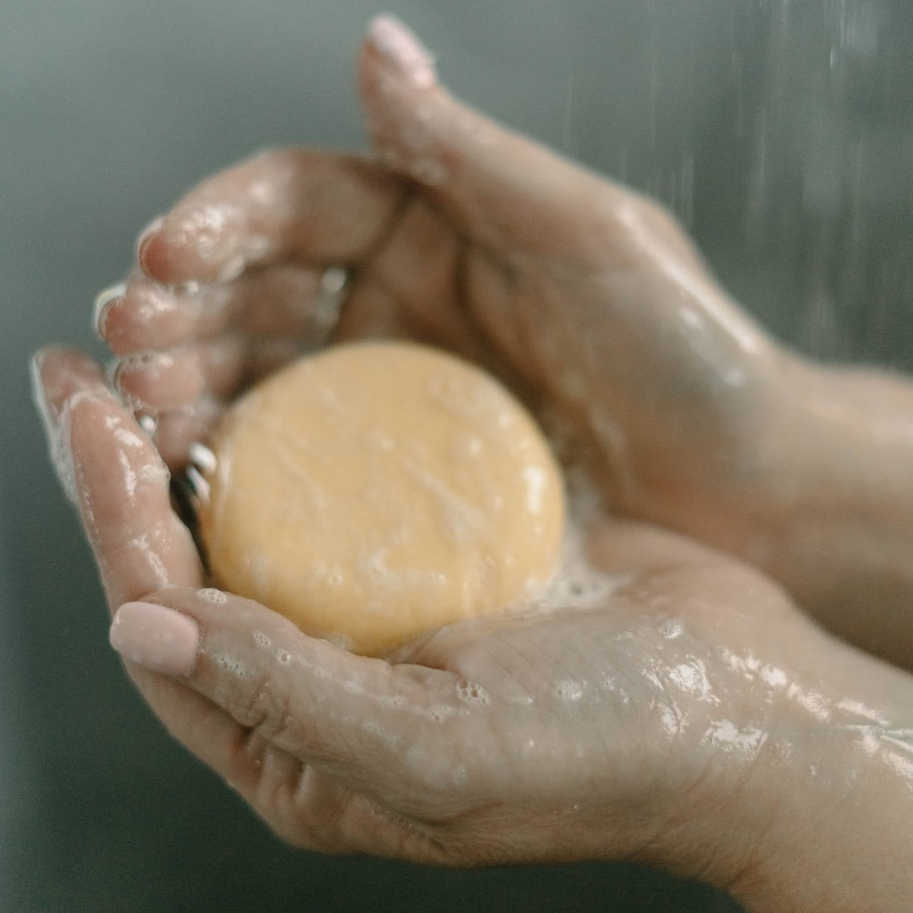
Your hair and scalp deserve the right care, and the easiest way to achieve this is with solid shampoo bars, also known as natural eco friendly shampoos. Being 100% natural means that they don’t contain water or chemicals. Instead, they’re vegan and gluten-free, with a balanced pH value. These shampoos are highly concentrated and contain only natural and safe cleaning agents.
Pros
- Ingredient Safety: Unlike liquid hair wash, this formula uses natural active ingredients in their most potent form. That way, your hair will get what it needs without unnecessary buildup, leaving it clean, soft, hydrated, and shiny.
- Travel-Convenient: Coming in solid form means you won’t have to worry about spills, where to store it, or, more importantly, the annoying 100 ml CATSA liquid limits. These eco friendly shampoos are so small that you can literally put them in your bag, backpack side pocket or even your coat/jacket. Simply put, this is the ultimate “on-the-go” hair ally.
- Gentle on the Planet: Aside from being made with Earth-safe ingredients, these bars are also packaged in eco-friendly materials. Not to mention that a hair wash of this kind lasts longer than any ordinary liquid shampoo. It’s predicted that one bar can last as long as 2-3 bottles of 236ml, so by making the switch, you can prevent about 15 plastic bottles a year from entering the waste stream and polluting the soil.
- Great Value for Money: Because one bar can last much longer than liquid shampoo, it can equal two or three shampoo bottles. This offers strong value for money and makes them a more affordable option over time.
Cons
There are no major drawbacks to these shampoos. All you need to do is get used to them and their state, and doing this really pays off. The possible cons, though, are the following:
- Proper Storage: Letting it dry after use is essential to prevent the soap from getting mushy.
- Proper Application: At first, using it might feel unfamiliar, especially if you are used to the super foamy texture of liquid shampoos. Even though these shampoos might not make the same foam, it doesn’t mean that your hair isn’t clean. Getting used to it might take a little time, but one simple tip helps a lot: make sure your hair is really wet. Since this shampoo doesn’t contain water in its core, a good soak helps it lather and spread properly. Ideally, you should also use a natural conditioner for better results.
What Is a Liquid Shampoo?
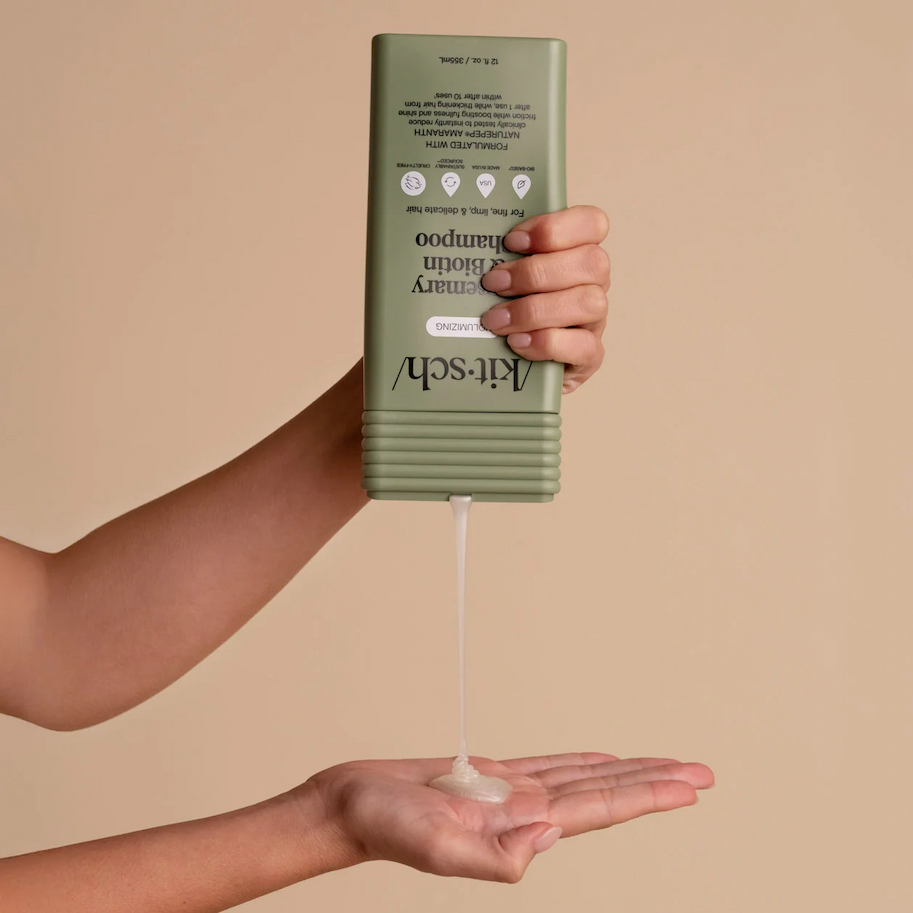
Liquid shampoos are the hair wash standard in every household. They’re easily available in every store and super easy to use; however, if you look past this convenience and check on the ingredients, you won’t be so happy.
Pros
- Instant Foam: Given the fact that these shampoos already have water in them along with some other chemicals, they create instant foam when in contact with your hair. This gives you a sense of cleanliness and effectiveness that the shampoo is doing its job.
- No Learning Curve: These shampoos are super easy to use. It takes only to pour it on your hand, spread it around your hair, and that’s it.
- Easily Accessible: Unlike bars, these shampoos are super accessible, and you can find them literally anywhere in the drugstore, supermarket and pharmacy.
Cons
- Harmful to the Planet: One of the first and most important things you should know about these shampoos is that they are harmful to the planet. Even if they’re made from safe ingredients, the main fact that they contain water and are packed in a plastic bottle means that they’re harming the environment. Not to mention that shampoos containing certain chemicals can end up in waterways, contributing to environmental pollution.
- Filled with Chemicals: Given the fact that these shampoos contain water, which is a breeding ground for bacteria, manufacturers need to add a significant amount of preservatives, aka parabens, to keep them shelf-stable. Unfortunately, parabens can also negatively affect your health, leading to skin and scalp irritation, rashes and hormone disruption.
Both shampoo bars and liquid shampoos do the job, but they serve different priorities. Natural shampoo bars use simple ingredients and create less waste, and last longer, while liquid shampoos provide instant foam and everyday convenience.
In the end, it comes down to what matters more to you: ease and familiarity, or a more eco-friendly option that helps reduce plastic use over time.