
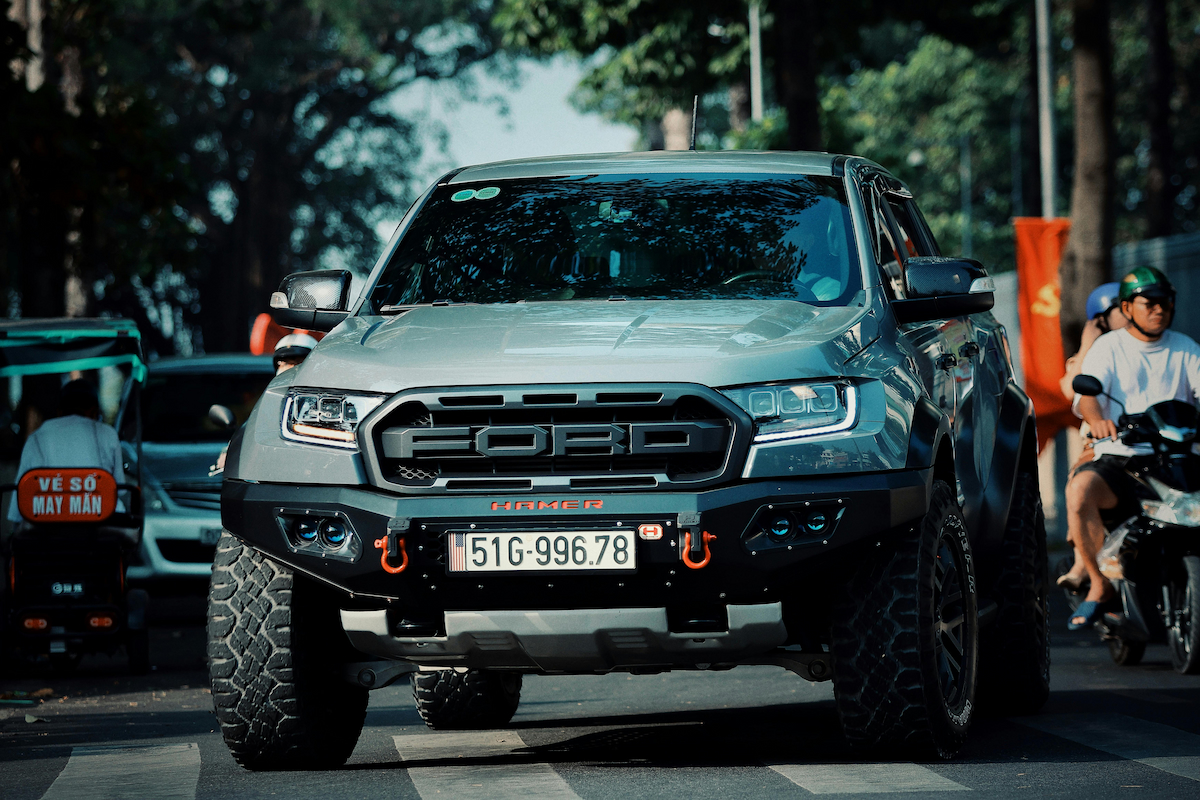
Now a staple in Ford’s engine lineup, EcoBoost engines have largely replaced older and larger aspirated powerplants in best-selling vehicles ranging from the F-150 to the Mustang. The turbocharged layout uses less fuel, offers comparable power and benefits from significantly more torque at lower revs. The lower displacement also means reduced weight – directly impacting acceleration and road handling.
Initial design and engine hiccups (carbon buildup, overheating, stretched timing chains, blown turbines) have been ironed out, significantly improving reliability and performance in subsequent iterations. This has also spawned a growing aftermarket with tailored EcoBoost performance parts. If you’re thinking of upgrading the 2.3-liter in the Mustang, Bronco or a discontinued Focus, or the six-cylinder 2.7 and 3.5-liter variants in the Explorer, Edge and F-150 (among other vehicles), consider basic changes to cooling and airflow.
This translates to aftermarket intercoolers, revised cold air intakes and performance exhaust setups. Changing the factory parts with aftermarket variants adds subtle power and efficiency improvements, while boosting engine durability. The new additions are also necessary if you’re considering significant power mods such as larger turbos, upgraded fueling or revised cam profiles.
The Case for Cold Air Intakes
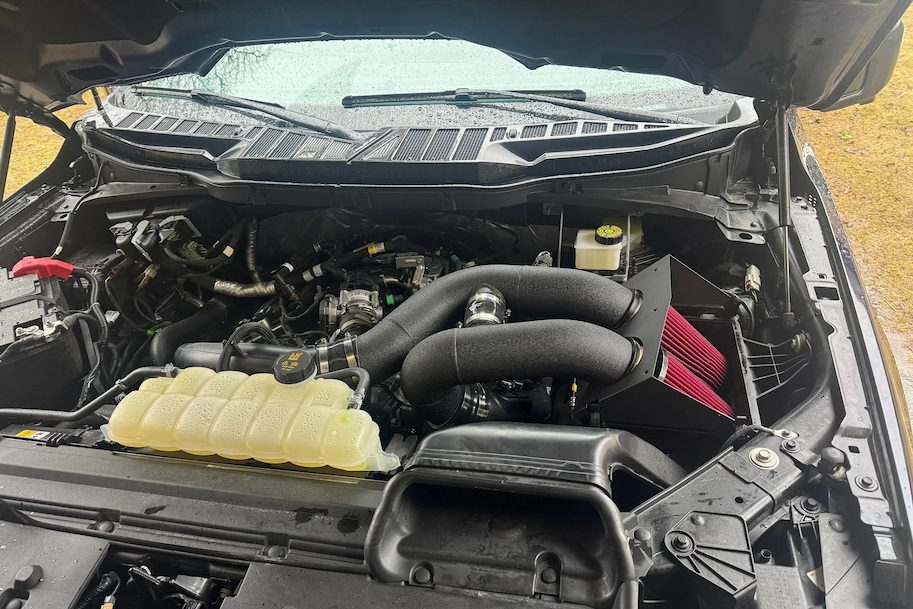
Aftermarket cold air intakes bring several benefits over stock EcoBoost variants. First are the obvious differences in build quality and materials. Treated aluminum large-diameter piping and heat sinks best molded plastics in factory units for overall longevity and durability, ensuring consistent performance. Next are the straight-pipe designs, with the inclusion of high-flow cone filters and air scoops pushed to the front of the engine bay for improved filtering and larger volumes of oxygen-rich and denser air. This reduces the risk of engine damage. minimizes heat soak and ensures high flow for increased combustion efficiency.
Real-world benefits are immediate throttle response, reduced turbo lag, and louder induction sound – all contributing to subtle but tangible power increases and driving pleasure. Look for aftermarket intake systems compatible with your EcoBoost engine for simple installation and lower maintenance.
Adding Power with Performance Exhausts
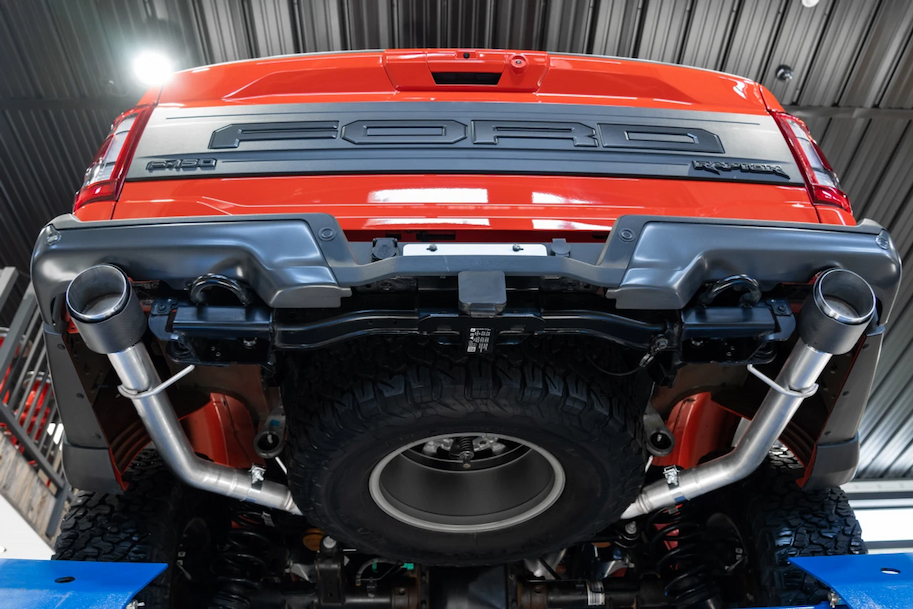
Aftermarket exhausts are another worthy Ecoboost performance option, pairing well with new intakes. Performance versions go with wider and straighter piping to draw out spent gases faster and help with combustion cycling. Manufacturers also put more work into layouts and materials, with the aim of reducing airflow restrictions such as backpressure and improved everyday durability with increased piping strength and durability.
Drivers can choose customizable setups, such as cat-less exhausts for track use or get improved airflow and reduced emissions with high-flow catalytic converters and larger downpipes. Engines can cycle through combustion stages more efficiently – resulting in power gains of up to 10 per cent over factory output figures (roughly 35-50hp in the 3.5-liter) with full exhaust and straight pipes. And enjoy a raspier, deeper exhaust sound that comes close to V8 cars and trucks.
When buying an exhaust, consider complete systems, how separate parts benefit your vehicle and overall build and material quality. Axle-back systems include new components from the rear axle to the exhaust tips (with a focus on better sound and slight efficiency/durability bump); cat-back systems improve overall airflow and add roughly 10 to 20hp and full turbo-back setups include all-new piping from the manifold to the tips for maximum power gains. Optioned exhaust parts in treated and mandrel-bent stainless steel to withstand punctures and corrosion, and consider costlier options like titanium or carbon fibre in for aesthetic appeal and lower weight. Lastly, choose parts based on needs and wants. Revised mufflers and resonators change sound profiles, straight and downpipes improve airflow and catalytic converters help with efficient burns. All can be combined in layouts that meet specific needs.
Reliability with Aftermarket Intercoolers
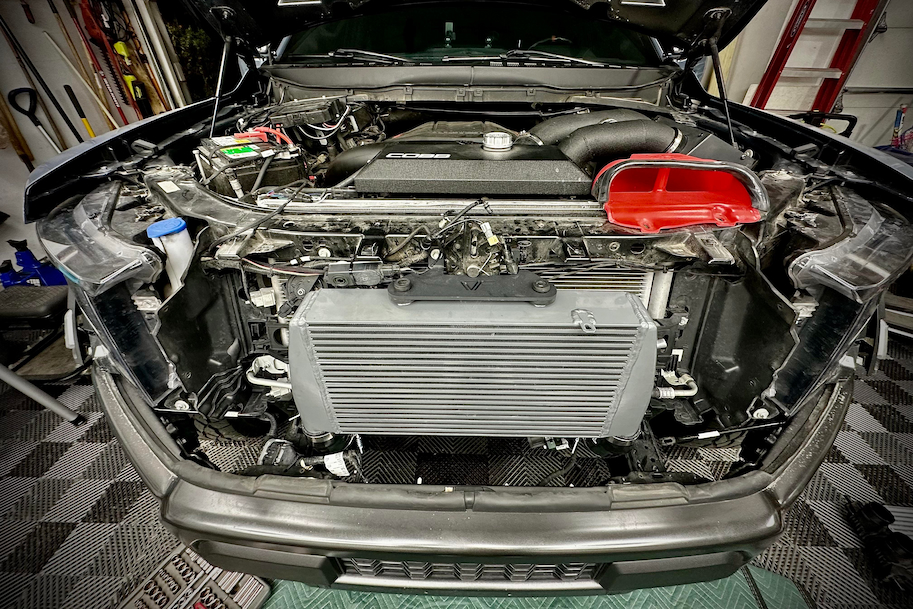
Early EcoBoost engines had issues with the factory intercoolers – known to have been undersized and leading to overheating at higher engine loads, or prone to condensation buildup, causing misfires, rough idling and power loss. The aftermarket soon stepped up with iterations that were better built, improved cooling efficiency and didn’t cause problems with turbo spooling. These can cool larger volumes of compressed air, resulting in reduced heat soak and letting the turbochargers freely go about their business of boosting power output.
Look for intercoolers with bigger capacity cores, more robust metal builds and wider inlet and outlet valves. Performance variants will also have enlarged cast end tanks – subtle but significant changes that even Ford incorporated in later EcoBoost engines.
Combined, cold air intakes, performance exhaust systems and revised intercoolers were Ford’s missed opportunity to make a good engine great. The improvements in air flow volumes, intake temperatures, reduced backpressure and cooling capacity help in everyday driving with snappier acceleration and easier towing. The real results, however, are when pushing the engines to their limits, with considerable power gains paired with longevity few car makers can match.