
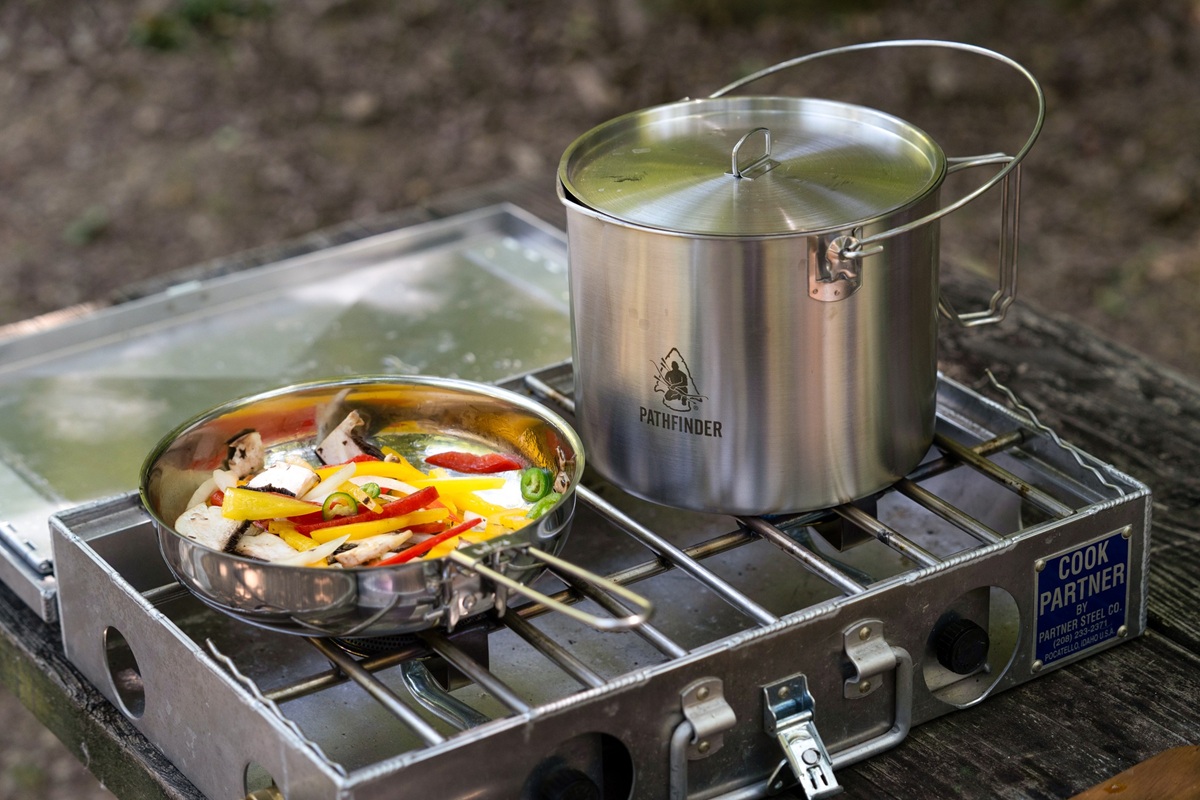
Many people struggle with their nutrition when overlanding. That’s because remote, self-reliant car travel can throw you out of your routines and away from proper kitchen facilities. While canned and dehydrated food is fine for a couple of days, for a longer trip you’d want a decent meal to lift your spirits, refuel you after a long day outdoors and keep you in an adventurous mood.
That’s where overlanding stoves enter the picture. As with any camping gear, there are plenty of options when it comes to buying overlanding stoves. In general, most options are heavier and not meant to be carried far from your vehicle (unlike camping or backpacking options).
Additionally, these camping stoves are constructed of more robust materials and can fit common kitchen cookware, such as cast iron and woks. Backpacking stoves, on the other hand, are smaller, lighter, and more fuel-efficient. Some are only capable of boiling water, while others can handle a pot or pan for preparing full meals.
Size: Single Vs Double-Burner Stoves
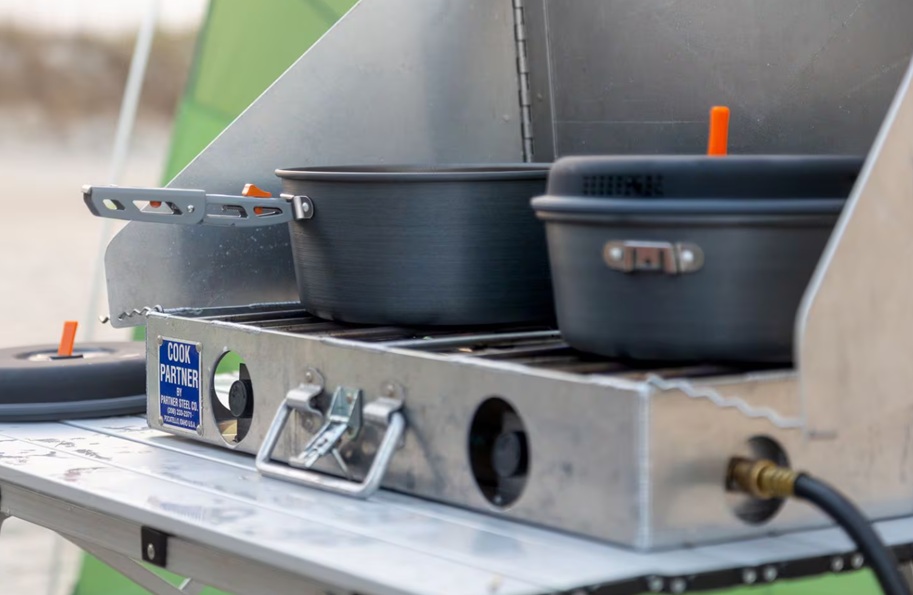
Size-wise, camping stoves can vary from moderately compact to large models that can help you prepare more elaborate, multi-pot meals. The number of people you need to cook for and the variety of meals you want to make are just some of the factors to consider when deciding what stove size to buy.
If you are happy to live on one-pot meals, a single burner is enough. Dishes like pasta, rice, soups, and simple stews can be prepared on a single burner. Another instance is when you’re cooking for a few people. When you’re making something like pasta and sauce, you can cook one part first, then the next, instead of trying to do everything at the same time.
If you prefer to cook a more diverse range of foods or need to keep your camping party nourished, then a second burner is a no-brainer. Dual and multi-burner stoves give you more flexibility with your meals. Instead of being limited to simple dishes, you can cook multiple things at once and prepare larger portions without slowing things down. Many models offer solid heat output, consistent performance, and adjustable heat settings for different camping recipes.
Fuel Type: Gas Vs Liquid
When you’re heading out on remote overlanding trips, your choice of stove fuel can shape how easy or frustrating meal prep becomes. Gas stoves (running on propane or butane canisters) are a convenient option because they light quickly, offer steady and adjustable heat, and make everyday cooking feel straightforward.
They’re the preferred choice when you’re traveling in mild and warm conditions where temperatures stay relatively stable, and you’re not dealing with freezing mornings, or when you want reliable performance without much setup. Furthermore, if your overlanding style leans toward quick stops, simple meals, and cooking for a small group, again, gas stoves may be a more suitable option.
Liquid fuel stoves, on the other hand, are a better choice when conditions get tougher and overlanding trips stretch longer. Running on fuels like white gas, kerosene, and unleaded petrol, these stoves perform more consistently in cold weather and at higher elevations, where gas can struggle.
Also, they’re easier to refuel on extended journeys. Liquid fuel is often more accessible in remote areas. While they require a bit more effort to operate and maintain, they’re a dependable option when you’re far from resupply points and need a stove that won’t let you down. In the end, it comes down to balancing convenience with self-reliance based on how remote and demanding your overlanding trips tend to be.
Design: Tabletop Vs Freestanding
When it comes to design, there are two main types of camping stove setups commonly used in overlanding: freestanding and tabletop models. The choice between these two often comes down to how you like to run your camp during overlanding trips.
Freestanding models are better suited to settled and basecamp-style situations. In these instances, instead of packing everything up and moving each day, overlanders stay in one place for longer. Rather than trying to cook from the back of your vehicle or a small fold-out surface, they set up a dedicated cooking area.
If your overlanding style is more slow-paced and you tend to stay in one place for longer, freestanding stoves are a better fit. They feel closer to a proper outdoor kitchen, which can make a noticeable difference when you’re cooking for a group or preparing more involved meals that require time and multiple steps.
Tabletop alternatives, on the other hand, are more flexible. Many models can be placed on a tailgate or table. They’re usually compact, easy to store, and quick to set up. These features make them a better fit for overlanders who move frequently and like to keep their gear minimal. Also, those who prefer a faster and more casual cooking routine can invest in a tabletop stove.