
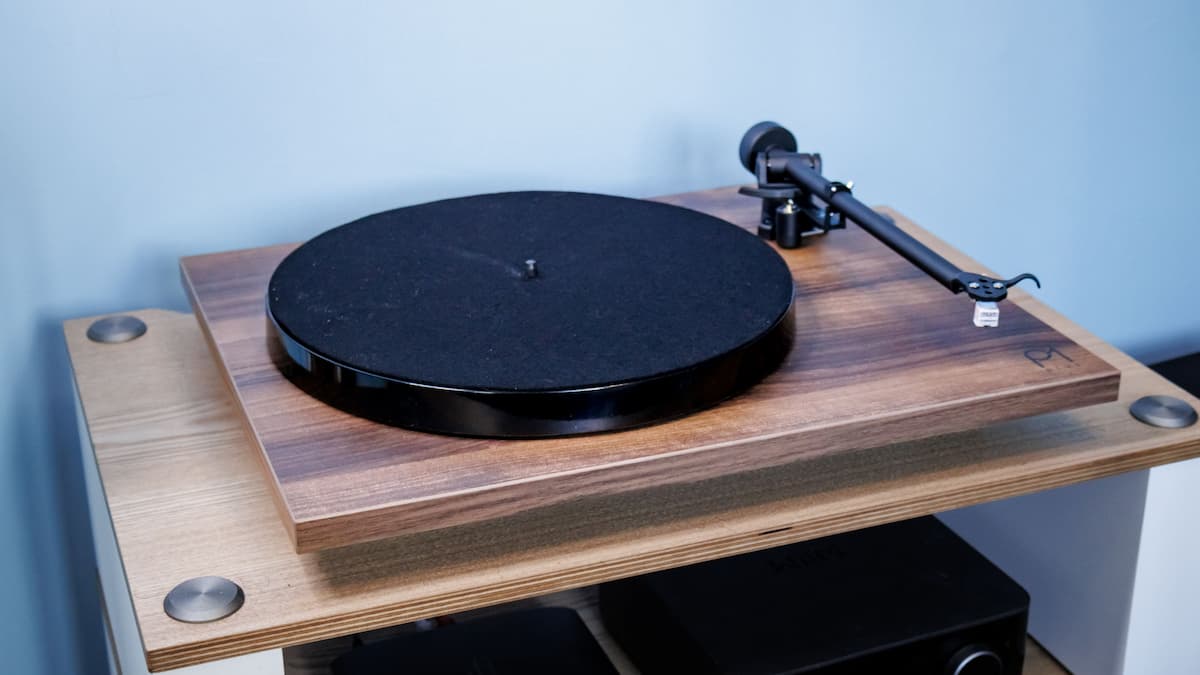
The turntable you choose can impact the way you enjoy vinyl. With so many options on the market, finding the right one can feel daunting. From classic belt-driven options to sleek, feature-packed models with Bluetooth connectivity, each style brings something unique to the table.
Different models bring unique features, benefits, and possible limitations, so you should pick the one that best matches your listening habits and personal style. If you want to bring your music to life and reveal rich details and textures, choose one of the high-performance record players.
From the warmth of a jazz piano to the crisp highs of a vocal track, a high-end system ensures each note is clear and faithful to the original recording. Beyond sound, it provides stability and precision, reducing unwanted vibrations that can cause skips or distortions.
The tonearm, platter, and cartridge all work together, and investing in performance components means your records are handled gently, preserving them for years to come. Even subtle features like adjustable speed control or anti-resonance designs can elevate your listening experience.
Turntable Basics
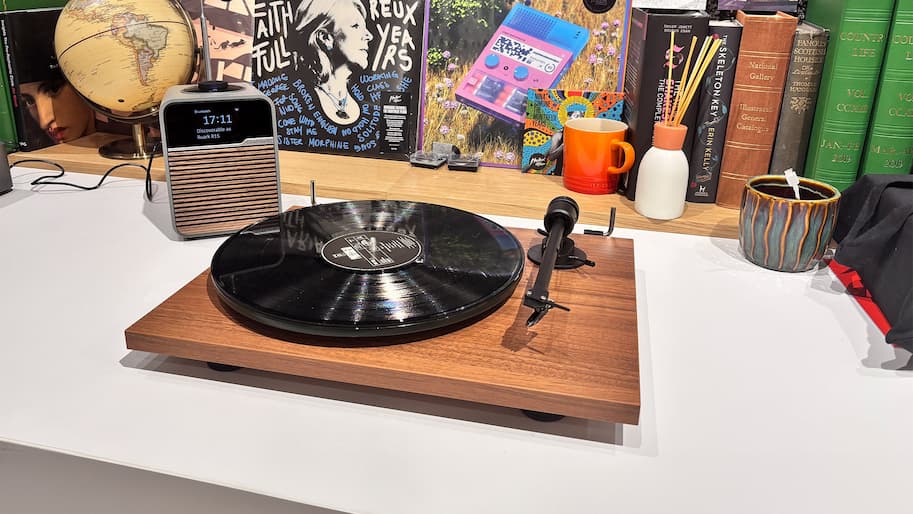
Before exploring the different types, it helps to get familiar with the essential parts that determine how well they perform. At the heart of any setup is the platter, the flat surface that spins the vinyl, and the tonearm, which holds the stylus in precise contact with the record’s grooves.
The cartridge and stylus are responsible for translating those tiny grooves into electrical signals, and the motor ensures the platter rotates at a consistent speed. Every component works in harmony, and even small differences in design or quality can have a noticeable impact on sound.
When you play a record, the stylus traces the grooves as the platter spins, capturing the vibrations embedded in the vinyl. These vibrations are converted into electrical signals, which are then sent to your amplifier and speakers to produce sound. Well-engineered record players make this conversion incredibly accurate, delivering clear highs, rich mids, and deep lows. Understanding how these parts interact not only helps you choose the right system but also gives you a deeper appreciation for the nuances and warmth that make vinyl listening so satisfying.
Belt-Drive
Belt-drive models have earned a solid reputation among both serious audiophiles and casual vinyl enthusiasts. But what’s a belt drive on a record player? What sets these devices apart is the way the motor connects to the spinning platter. A rubber belt acts as the link, absorbing vibrations that could otherwise interfere with playback.
This results in a smoother, more refined sound, which is why many people who prioritize audio quality gravitate toward this design. The subtle reduction in motor noise allows the music to feel warmer and more immersive, highlighting the nuances of each track. This makes belt-drive models especially enjoyable for relaxing at home with a cup of coffee in hand, letting you savour every note as part of a cozy listening ritual.
With the gentle crackle of vinyl and the rich tones filling the room, it’s easy to lose yourself in the music and let the day’s stress melt away. Of course, there are some trade-offs to consider. Belt-driven models often need a bit more attention over time. The rubber belt can stretch or wear out, requiring replacement to maintain optimal performance.
Additionally, these systems can take slightly longer to reach their intended speed compared to direct-drive systems, which might be noticeable if you’re frequently starting and stopping your records. Despite these minor inconveniences, the sound quality payoff makes belt-drive systems a favourite for those who want a rich, faithful reproduction of vinyl.
Direct Drive
Direct-drive turntables take a different approach, connecting the platter straight to the motor. This design gives them lightning-fast start-up times and incredibly consistent speed, which is why DJs often prefer them for mixing and scratching. The direct connection allows for precise control over the record, making it easy to manipulate tracks exactly how you want.
While these models are fantastic for performance and convenience, they sometimes don’t match the ultra-smooth, vibration-free sound of a belt-drive system. That said, modern direct-drive setups have come a long way, with many offering excellent audio quality that satisfies casual listeners and serious audiophiles alike. For anyone looking for reliability, speed, and control, especially in a DJ or performance setting, direct-drive systems are a solid choice.
Automatic vs. Manual Turntables

When choosing a turntable, one important decision is whether to go for automatic or manual operation. Automatic models handle the tonearm for you, lifting it at the end of a record and letting you enjoy music without any extra steps. They’re perfect if you like a simple, hands-off experience. Manual systems, on the other hand, require you to lift and lower the tonearm yourself. This gives you full control over playback and lets you make fine adjustments, which many audiophiles appreciate for precise tracking and optimal sound.
Modern Designs
Modern turntables are becoming more user-friendly while still delivering great sound. Many now feature Bluetooth connectivity, letting you wirelessly pair them with speakers or headphones for a cleaner, cable-free setup. Some models even include built-in preamps and speakers, creating an all-in-one solution that’s easy to use right out of the box. While this convenience is appealing, keep in mind that integrated components can sometimes fall short of the audio quality you’d get from separate, high-end speakers and amplifiers.