
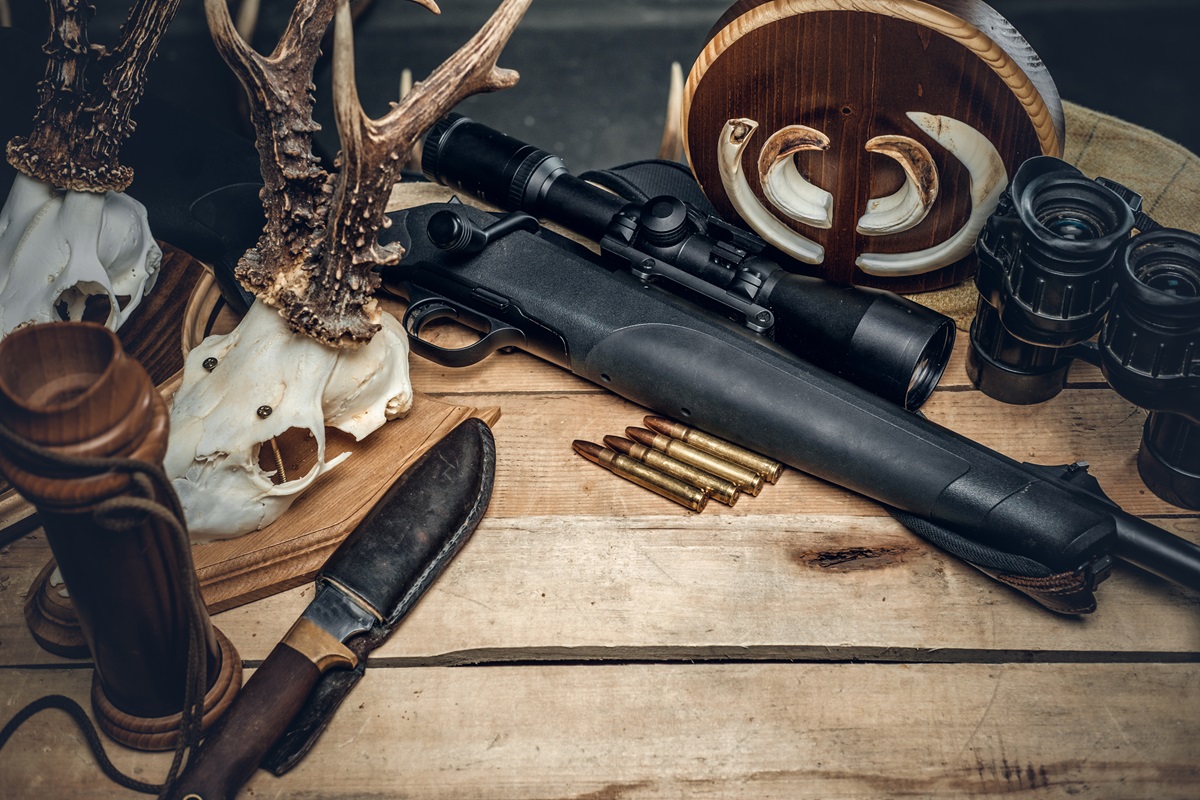
Knives are a big part of the hunting experience. They can make a big difference during your trip. There are different types of knives you can invest in depending on the type of hunting you do, the animals you hunt and the terrain you’re in. However, besides paying attention when selecting the ideal knives for you, it’s also essential to keep the knives nice and functional, so good care is mandatory. That’s how they’ll last for a long time and be worth the investment. We have the info you need on both these aspects, plus much-needed safety tips.
Types of Hunting Knives
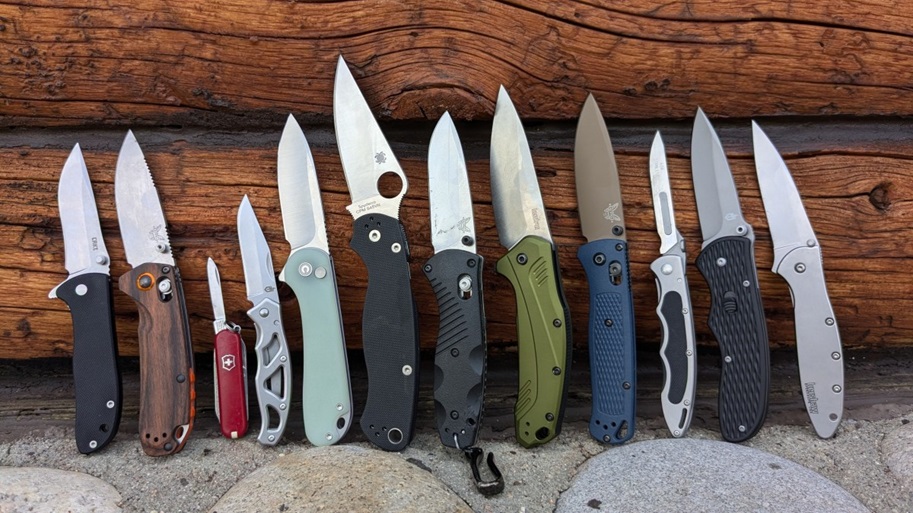
Every hunter needs the right hunting gear for their adventure. These essentials make the hunting trip a lot easier. So, what do hunters need the most? Knives, of course. They’re the most versatile tool in the kit. There’s a wide variety of hunting knives on the market, each with its own purpose. Knowing what each one is for will help you choose the right one.
The first knife you should know about is the bowie knife. It has a long, wide blade with a sharp point. The blade is fixed and usually between 15 and 30 cm long. It has a single-edged, curved blade, and the cross guard helps protect your hands from accidental cuts. This knife is very versatile and also handy for camping. It’s one of the best tools to have on hand when you’re out in the bush.
A lot of hunters use it for butchering and skinning. In some cases, they even use it for chopping wood. It’s almost like a multipurpose knife. The skinner knife comes next. This is a small and sharp knife used to skin animals. It’s made of 10 cm of blade and 10 cm of handle. This 20 cm long knife is well-balanced and easy to control.
You can also use it to remove fur from the hide and make it suitable for clothing. There are hunters who use it for gutting fish or cleaning small game. The bushcraft knife is very similar to the skinner. The main difference is the length of the blade. A bushcraft knife has a longer blade. If you’re on the hunt for bigger game, this is the knife to have. You’ll get to job done in no time.
Hook knives are also a very practical tool. It’s a type especially made for one purpose: to gut animals. The curved blade with a sharp point is perfect for the job. It can go through the animal’s stomach and open it. If you don’t want to get your hands dirty, invest in this knife. The gutting will be done in just a few seconds.
After you’ve gutted and skinned the animal, you’ll probably need a deboning knife. This is the tool that will help you separate the meat from the bones. It has a thick, rigid blade that’s short enough to make your work simpler and easier. Larger knives, like the clip point one, are very practical. This one is used for piercing flesh and meat processing.
You can also get a spear point knife which is great for making clean cuts around the animal’s organs and flesh. This is possible thanks to its long and symmetrical blade. It’s good to have at least three of these knives so you can take good care of the game. No matter which ones you choose, make sure they have strong, sturdy, lightweight and ergonomic handles.
Care and Maintenance Tips
Proper maintenance and care are crucial for keeping your hunting knives in good shape. A well-maintained knife is also much safer to use. Damaged and dull blades can lead to accidents. To keep the knives in good shape, clean them after every use. It’s essential to remove all of the blood, dirt and organic materials. Otherwise, the blade can corrode or have an unpleasant odour.
Use mild soap and warm water, and never leave the knife to soak in water, especially if it has a wooden handle. Always dry it thoroughly with a clean cloth and store it properly. Sharpening is a big part of the maintenance process. You can use sharpening stones, honing rods, or a system specifically designed for your knife.
Almost all knives require a sharpening angle of 20 degrees, but check the manufacturer’s recommendations in case they’re different. Always start with a coarser grit to reshape the edge if needed, then move to finer grits for honing. If you want to prevent rust, consider applying a light coat of mineral oil or a specialized knife oil. Last but not least, make regular inspections. Check the knife for signs of damage, blade chips or rust spots.
Safety Tips
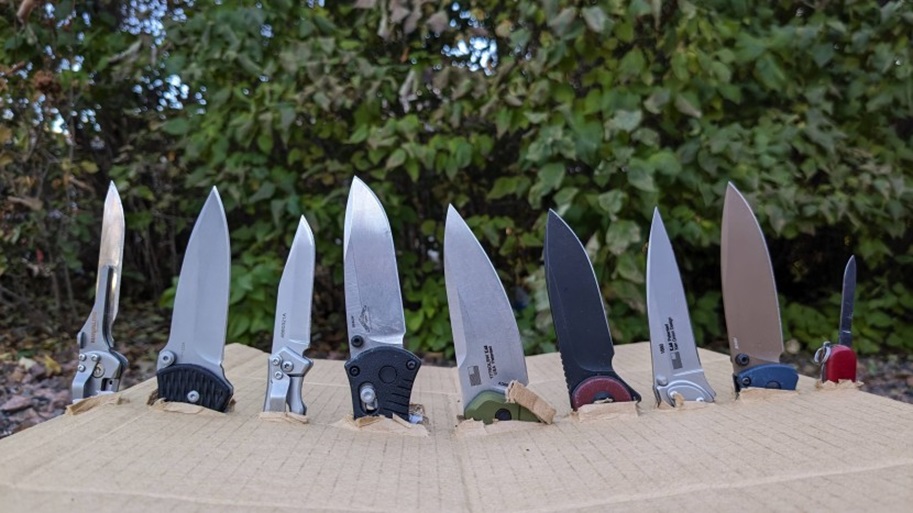
Safety should be your top priority when you’re handling a camping knife. Understanding how to safely handle, carry, and store your hunting knife can prevent accidents and keep your outdoor experience enjoyable. The first thing is to know how to carry the knife. Always have it on you stored in a sheath specifically made for that knife model.
The sheath will prevent cuts and accidents, but it’ll also protect the knife from damage. When attaching a sheath to your belt or pack, make sure it’s secure and positioned in a way that prevents the blade from accidentally coming into contact with your body during movement. Always hold your knife by the handle, never by the blade. Keep your fingers clear of the cutting edge, especially when skinning or gutting.
When using the knife, don’t go for forced and rushed movements. Make sure they’re controlled and deliberate. Never cut towards yourself or others. Always cut away from your body. Whenever possible, cut on a stable surface like a cutting board or flat rock. It’s always a good idea to use the knife for the purpose it was made. Don’t use it as a pry bar or a screwdriver. This can only damage the knife or hurt you.