

Ever wonder how you can keep your dog from treating the front boundary like a suggestion while also keeping them off your brand-new velvet sofa? It’s a bit of a double-edged sword, isn’t it? You want them to have the freedom of the yard, but you also don’t want to find muddy paw prints on the furniture the second you turn your back.
If you’ve been scratching your head trying to figure out which system actually fits your life, learning about the nuances around fences will help you find the right pet barrier for your specific setup. Whether you’re dealing with a Great Dane who thinks he’s a lap dog or a curious pup who loves the garden beds, you have to decide if you need a “big picture” perimeter fence for the whole yard or a “spot” barrier for those tiny trouble zones.
Indoor Control vs. Perimeter Pet Barriers
Flexibility vs. Fixed Boundaries
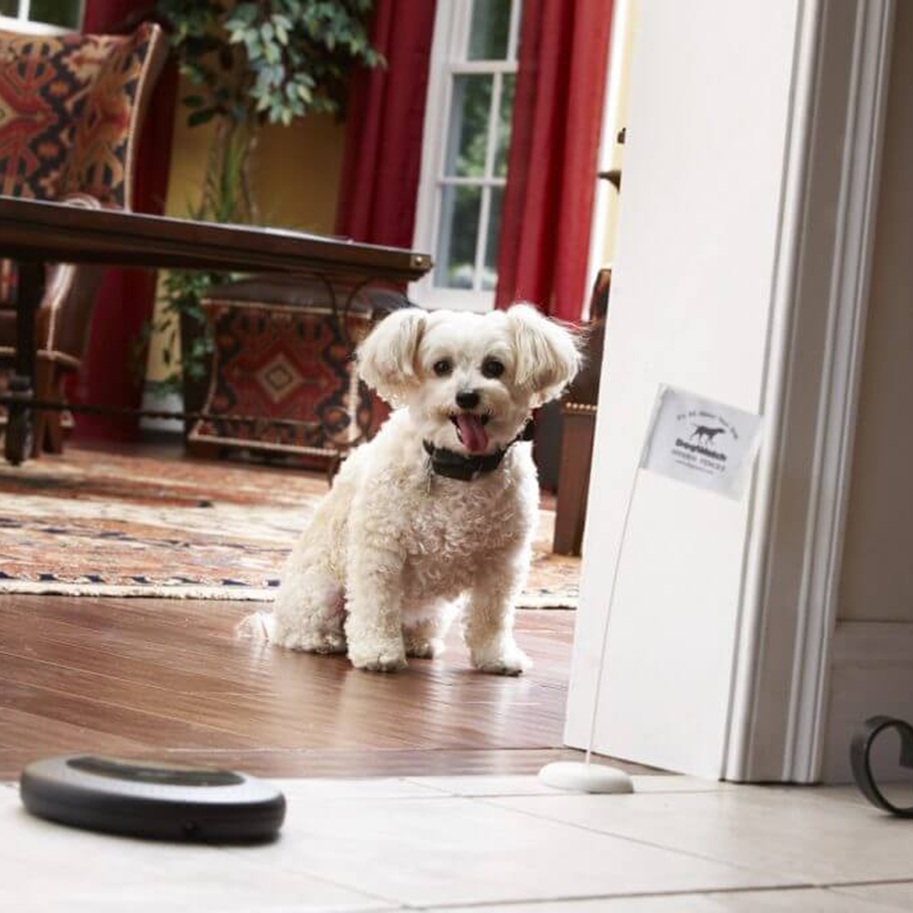
So, the first big thing you’ll notice is just how much freedom you get with an indoor spot barrier. Think of it like a portable “no-go” zone that you can pick up and move whenever you want. If you’ve got a dog who suddenly decides the Christmas tree is a giant chew toy, you just plop the transmitter down under the branches, and problem solved!
On the flip side, perimeter fences are more of a “set it and forget it” deal for your whole yard. They stay put. If you want to choose a pet barrier that suits your dog’s needs, you really have to ask yourself if you’re fighting a battle in one specific corner of the house or if you need to secure the entire property line.
Spot barriers are great because they aren’t a permanent commitment. You can take one to a hotel or a friend’s house if you’re travelling.
Perimeter fences are the heavy lifters that stay in the ground or stay synced to your base station to make sure your pup doesn’t wander into the street. One gives you the power to change your mind every day, while the other gives you the peace of mind that your dog isn’t going on a solo neighbourhood tour while you’re at work.
Protecting the Small Stuff vs. Securing the Big Picture
When you look at pet barriers, you’ll see they really excel at protecting your “stuff.” Have you ever walked into the kitchen to find your dog halfway across the counter, looking for snacks? That’s where a spot barrier shines. It creates a tiny, invisible bubble, usually just a few meters wide, that tells your dog, “Hey, don’t come over here.” It’s perfect for the trash can, the cat’s litter box, or that one expensive rug you spent too much money on.
Perimeter systems don’t care about your rug; they care about the gate. They are designed to cover half an acre, or even five acres, depending on how much space you have. The advantage here is that you aren’t just protecting a sofa; you’re protecting your dog’s life by keeping them away from cars and busy roads.
No-Dig Setup vs. Permanent Installation
Nobody really likes spending their Saturday digging trenches in the backyard, right? That’s one of the best parts about a wireless spot barrier for dogs. You just plug it into a wall socket or put in some batteries, and it starts working instantly. It’s zero stress. You don’t need tools, you don’t need a map, and you definitely don’t need to break a sweat.
Now, perimeter fences, especially the wired ones, take a bit more elbow grease. You usually have to bury a wire around the edge of your yard. It’s a bit of a project, but the payoff is huge because that wire can go exactly where you want it, even through thick bushes or under a driveway.
The advantage of the spot barrier is that it’s ready to go in five seconds. The advantage of the perimeter fence is that it’s a rock-solid, permanent solution that won’t get knocked over or unplugged.
Tactical Focus vs. Total Freedom

Think about how your dog moves through the house. Sometimes they don’t need to be locked out of a whole room; they just need to stay away from the baby’s high chair.
Indoor pet barriers are tactical; they let you be super specific. You can keep the dog in the living room with you, but keep them away from the glass coffee table. Your dog still feels like part of the family because they aren’t stuck behind a bulky plastic gate.
Perimeter fences, though, are all about giving your dog the most freedom possible. Instead of being tied to a leash or stuck in a small kennel, they can run full tilt around the whole backyard. The advantage of the indoor unit is that it handles the “nuisance” behaviours, like begging at the table.
Invisible Aesthetics vs. Physical Obstacles
Let’s be honest, those old-school wooden baby gates are kind of an eyesore. They’re clunky, they trip you up, and they usually ruin the look of your hallway. The biggest win with these modern barriers is that they are invisible. With a spot barrier, the “wall” is just a radio signal. Your house stays looking beautiful, and you don’t have to climb over a gate every time you want a glass of water. It’s the same for the yard. You don’t have to build a six-foot wooden eyesore that blocks your view of the sunset. The advantage here is purely about your home’s vibe.