
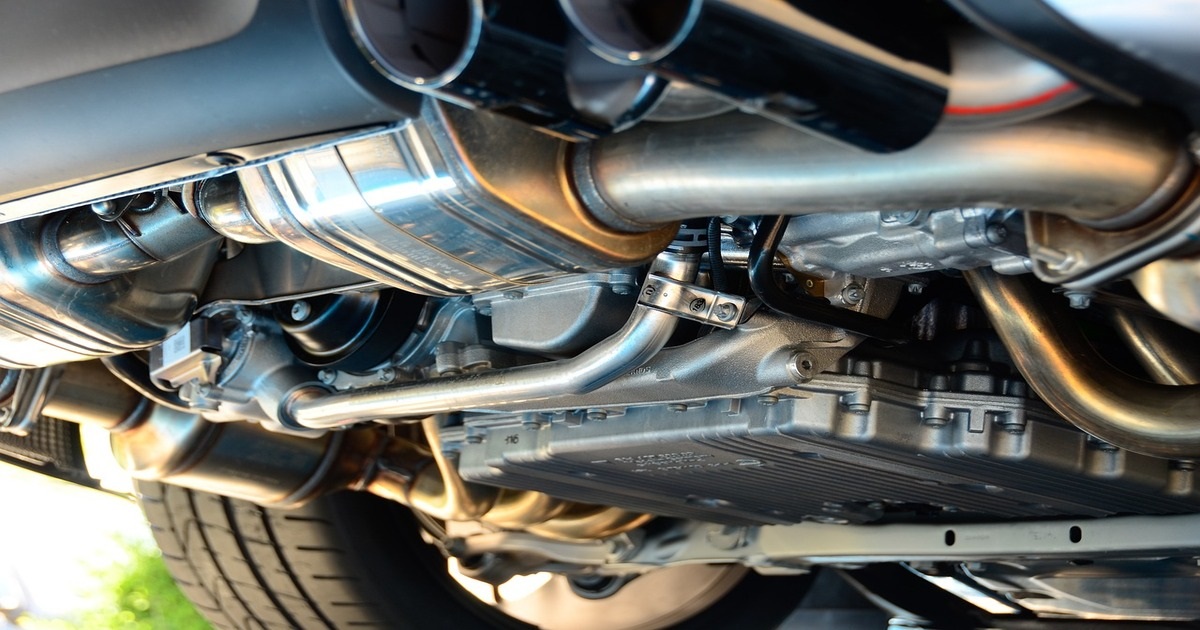
Car upgrades can range from simple tweaks to complex modifications. For most car enthusiasts tuning a stock engine, the exhaust system is often one of the first parts that sees a substantial makeover. Aftermarket systems go wider and straighter, with simpler layouts and one main goal: optimising airflow out of the car. This helps the engine achieve improved combustion efficiency and a long list of benefits over factory piping.
Performance Exhaust Basics
Several limitations in factory systems prevent engines from reaching peak power. Two key factors are engine emissions and noise regulations, which aim to hush engine sound and control fuel consumption and emissions. Car manufacturers also cut corners by choosing cheaper crush-bent mild steel, which snakes its way under the chassis. This causes common problems such as metal fatigue, frequent rust buildup, corrosion and exhaust gas leaks – all killing engine power. While adequate for everyday driving conditions, if you’ve got a heavier right foot or are considering power upgrades, the stock exhaust is one of the first limitations in getting the performance the car deserves.
The role of performance exhausts is to address the limitations in factory piping. Revised layouts include wider and straighter pipes from the exhaust manifold to the tips, preventing airflow restrictions that essentially choke the engine of its next breath. The added efficiency and simplified configuration help reduce backpressure, which means fewer spent gases lingering in the exhaust pipes.
They also improve exhaust scavenging – the pulsating vacuum effect that helps draw exhaust gases out of the valves and move them smoothly through wider collectors and downpipes. This reduces temperatures within the engine bay (and concentrates heat within the pipe walls) and helps with more efficient intake for bigger bangs. While the gains may seem subtle on their own, they contribute to better overall engine performance and response.
Benefits of Performance Exhaust Systems
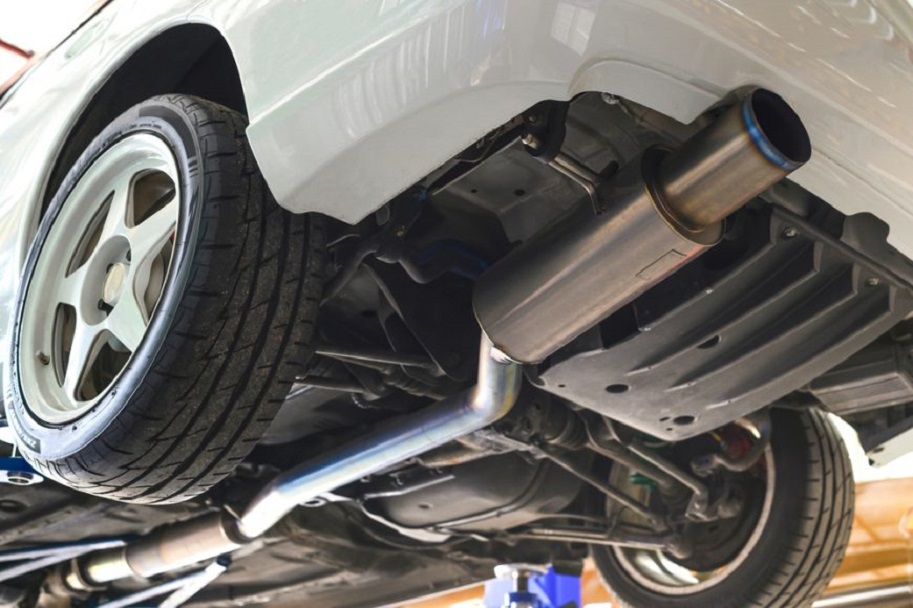
With improvements across the board, performance car exhausts provide several benefits:
- Increased power and torque: With more space, spent gases exit the car faster. This lowers temperatures at the intake end, providing larger volumes of cooler, oxygen-rich air to ignite fuel. Increased engine efficiency means improved power and torque. Estimates are that some full systems add 5-10% to factory specs. Real-world differences include a more responsive throttle, faster acceleration, and increased pulling power at lower revs. Bespoke systems also help with wider power bands and linear torque curves, resulting in higher top speeds.
- Durability: Mandrel-bent stainless steel differs vastly from its crush-bent mild steel sibling. Higher chromium and nickel content helps the piping with improved impact and heat resistance, significantly better corrosion resistance and reduced metal fatigue. Translated, this means aftermarket exhausts in 304 or 409 steel grades are less prone to rust, kinking, ruptures or leaks. The advanced manufacturing process also ensures pipe width consistency – a prerequisite for airflow efficiency.
- Tunable sound profiles: Louder, deeper exhaust sound is one of the drawcards of performance exhaust systems. This comes from wider, straighter piping (increased exhaust velocity makes it louder) and reduced restrictions from additions like cat deletes and straight-through mufflers. A new trend is automated muffler outlet valving, which controls exhaust flow and, consequently, the exhaust’s sound level. This can be tuned to personal preferences or according to driving conditions and engine loads.
- Aesthetics: Flaking or rusted exhaust tips, kinked mid-pipes, and dented mufflers can be eyesores. Choose a performance exhaust in premium chrome or powder-coated finishes, and tips in titanium, carbon fibre, or burnt steel for added eye candy. The additional layers and heat treatment also help with longevity, especially against water and rust, meaning the piping retains its looks longer.
- Customisation and versatility: Aftermarket exhausts are offered for both everyday and performance vehicles. And there’s a healthy selection of brands and products in all price brackets. In this context, car owners can choose pre-assembled or complete axle-, cat- or header/turbo-back systems with defined benefits, or go with individual exhaust components, such as revised muffler and resonator types, high-flow cats, more efficient downpipes and more. The good news is that all parts are bolt-on and can be added to the factory piping or combined from different manufacturers in a one-off custom exhaust build.
Key Buying Considerations
Vehicle compatibility and pipe widths are the main considerations when buying car performance exhausts. Generally, there’s more power and torque on tap with pipes that are half an inch wider than stock. Most aftermarket systems average 2.5″ or 3″, depending on engine layout, cylinder count, whether forced induction is involved and fuel type. A rule of thumb is that engines with larger displacements and higher outputs tend to use wider pipes.
Exhaust builders have made purchasing simpler by offering parts and systems marketed towards specific models and trims. This helps vehicles get all the benefits, perform as they should, and exhausts don’t involve extensive modifications to install. For peace of mind, have your VIN ready when buying any car or engine upgrade, whether it’s a full stroker kit, an axle-back or turbo-back exhaust, or separate parts like catalytic converters or downpipes.