
A white maxi dress has a rare ability to feel both effortless and polished. It can be thrown over swimwear for a relaxed afternoon by the coast, styled with sandals for a summer lunch, or transformed with heels and jewellery for an evening celebration. That versatility is a major reason the style has remained a warm-weather wardrobe staple, but choosing the right dress involves more than finding a flattering shade of white.
The elegant and timeless womens white maxi dress should therefore work with your lifestyle as well as your personal style. Understanding which fabrics suit different occasions, how silhouettes interact with proportions, and how to style the same dress throughout the year makes it easier to choose a piece that will earn a regular place in your wardrobe.
Fabric Selection and Transparency Management
Fabric is one of the most important decisions when choosing a maxi dress because it affects almost everything from comfort and movement to opacity and formality. White fabrics can also behave differently from darker colours, making construction particularly important.
Lightweight Summer Textiles
For hot weather, blends are among the most practical choices. These fabrics are associated with relaxed summer dressing, while blends can combine some of their desirable characteristics with greater softness, durability or resistance to creasing.
Cotton is breathable and comfortable against the skin, making it a natural choice for casual daytime dresses. Depending on the weave and weight, it can also provide enough structure to prevent the dress from appearing overly clingy. Cotton poplin, for example, has a crisper appearance that works well for structured A-line dresses, while softer cotton fabrics can create a more relaxed, flowing shape.
Linen is another classic warm-weather material. Its natural texture gives a long white dress an understated, slightly relaxed character, while its breathability makes it particularly useful in hot climates. Linen is known for creasing, so a linen blend can be a practical compromise for anyone who wants the appearance and feel of linen with a little more ease of wear.
Fluid and Draped Fabrics
For occasions where movement and softness are more important, chiffon, silk and rayon modal offer a different approach. These fabrics tend to drape closer to the body and can create graceful movement as you walk.
Chiffon is particularly useful for romantic and occasion-focused styles. Its lightweight construction can give a dress an airy appearance, although it is frequently layered because the fabric is quite transparent. This makes the lining and underlayer just as important as the outer fabric.
Silk creates a more luxurious finish, with a natural fluidity that lends itself well to minimalist slip dresses and elegant evening silhouettes. It can also be more demanding to care for, so the garment’s care instructions should always be considered before purchase.
Rayon modal offers another soft and fluid option. It tends to have a smooth hand feel and attractive drape, making it suitable for relaxed dresses that need movement without the crispness associated with some woven cottons.
The Transparency Dilemma
Transparency is one of the biggest practical considerations when shopping for a white dress. A fabric that appears opaque under indoor lighting may become noticeably sheer in direct sunlight, particularly when the material is thin or closely fitted.
Fabric weight is the first factor to assess. Heavier cotton, linen blends and denser woven fabrics will generally provide more coverage than lightweight chiffon or very fine rayon. Weight alone does not tell the entire story. The weave, colour, construction and tension the fabric sits against the body can all affect how transparent it appears.
Double-layer construction is particularly useful for white dresses. Some designs use a full lining, while others include a shorter lining beneath a sheer outer layer. A built-in slip can also provide coverage without taking away from the fluidity of the outer fabric.
Undergarment Strategies
The right undergarments can make a significant difference to how a white dress looks. Bright white underwear is often surprisingly visible underneath white fabric, particularly in strong daylight. Nude or skin-toned underwear is generally a better choice because it creates less contrast beneath the dress.
Seamless styles are equally important. Visible elastic, bulky seams and textured fabrics can interrupt the clean lines of a fitted dress, especially when wearing slip or column silhouettes. Laser-cut underwear can help create a smoother finish, while adhesive or strapless options may be useful with particular necklines.
The goal is not necessarily to make the undergarments completely invisible in every situation, but to ensure they do not become an unintended feature of the outfit. Always check the finished look in natural light before wearing a white dress to an important occasion.
Silhouettes and Body Type Matching
There is no single silhouette that works for every wearer, and choosing a dress based purely on body-shape rules can make fashion unnecessarily restrictive. Comfort and personal preference matter more than following rigid formulas. Nevertheless, different cuts create recognisable visual effects, which can help you identify the styles you are most likely to enjoy wearing.
A-Line and Tiered Styles
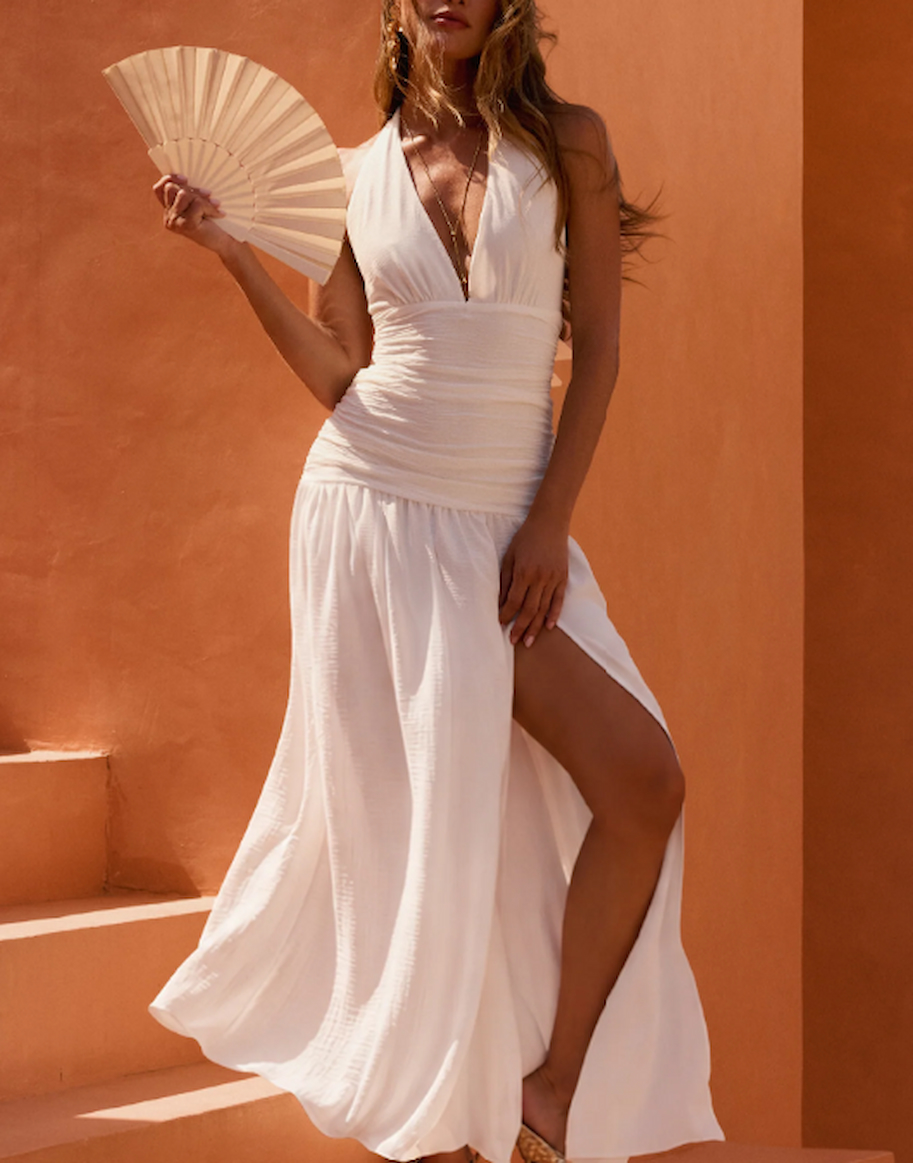
A-line dresses gradually widen from the upper body towards the hem, creating a balanced silhouette with plenty of movement. They are particularly useful for casual and semi-formal dressing because they do not restrict the legs and can accommodate a range of body proportions. Tiered maxi dresses take this relaxed quality further. Multiple sections of fabric create volume and movement, often giving the dress a bohemian or holiday-inspired character. They can be especially appealing when you want something that feels romantic without being overly formal.
Slip and Column Cuts
Slip dresses and column silhouettes offer a completely different aesthetic. Instead of relying on volume, they use long, clean lines to create a streamlined appearance.
A slip dress can look understated with flat sandals and minimal jewellery, but the same silhouette can become evening-ready with metallic heels and statement earrings. Its simplicity also makes fabric particularly important. Silk-like materials and fluid satins emphasise, while cotton or jersey can make it feel more relaxed.
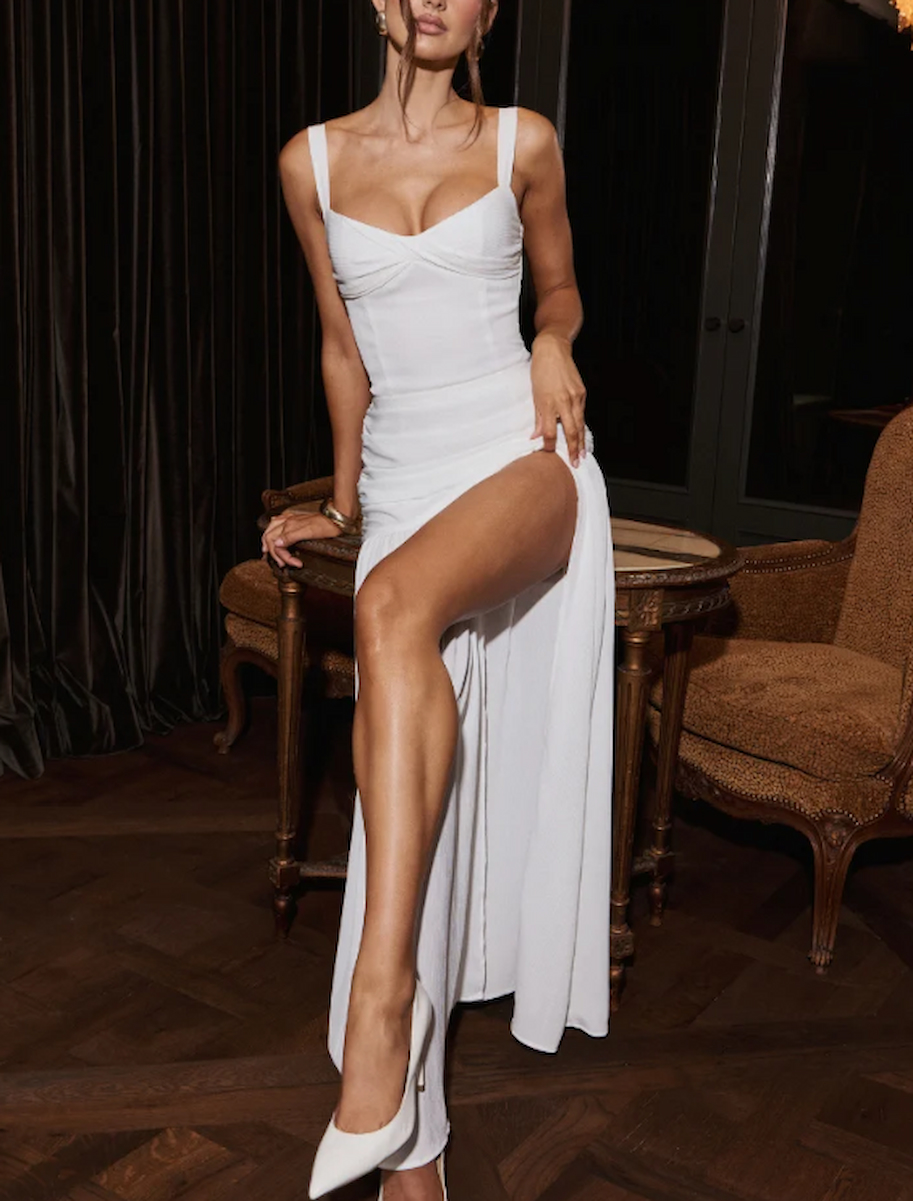
Column dresses work well for those who prefer a more tailored appearance. They follow the body’s natural vertical line without necessarily being tightly fitted, creating a polished effect that works particularly well for formal dinners, cocktail events and sophisticated summer occasions.
Wrap and Tie-Waist Designs
Wrap dresses and tie-waist styles offer an adjustable approach to fit. Rather than relying entirely on fixed seams, the waist can usually be tightened or loosened according to the wearer and the desired silhouette. The waistline can create a sense of proportion while the flowing skirt maintains the relaxed quality expected from a maxi dress. This makes wrap styles particularly versatile for people who want more definition without choosing a heavily structured garment.
They can work especially well with hourglass and pear-shaped proportions, where emphasising the waist can create a balanced relationship between the upper and lower body. There is no reason other body shapes cannot wear the style. The adjustable construction is valuable simply because it allows more control over the fit.
Boho-Chic and Lace Details
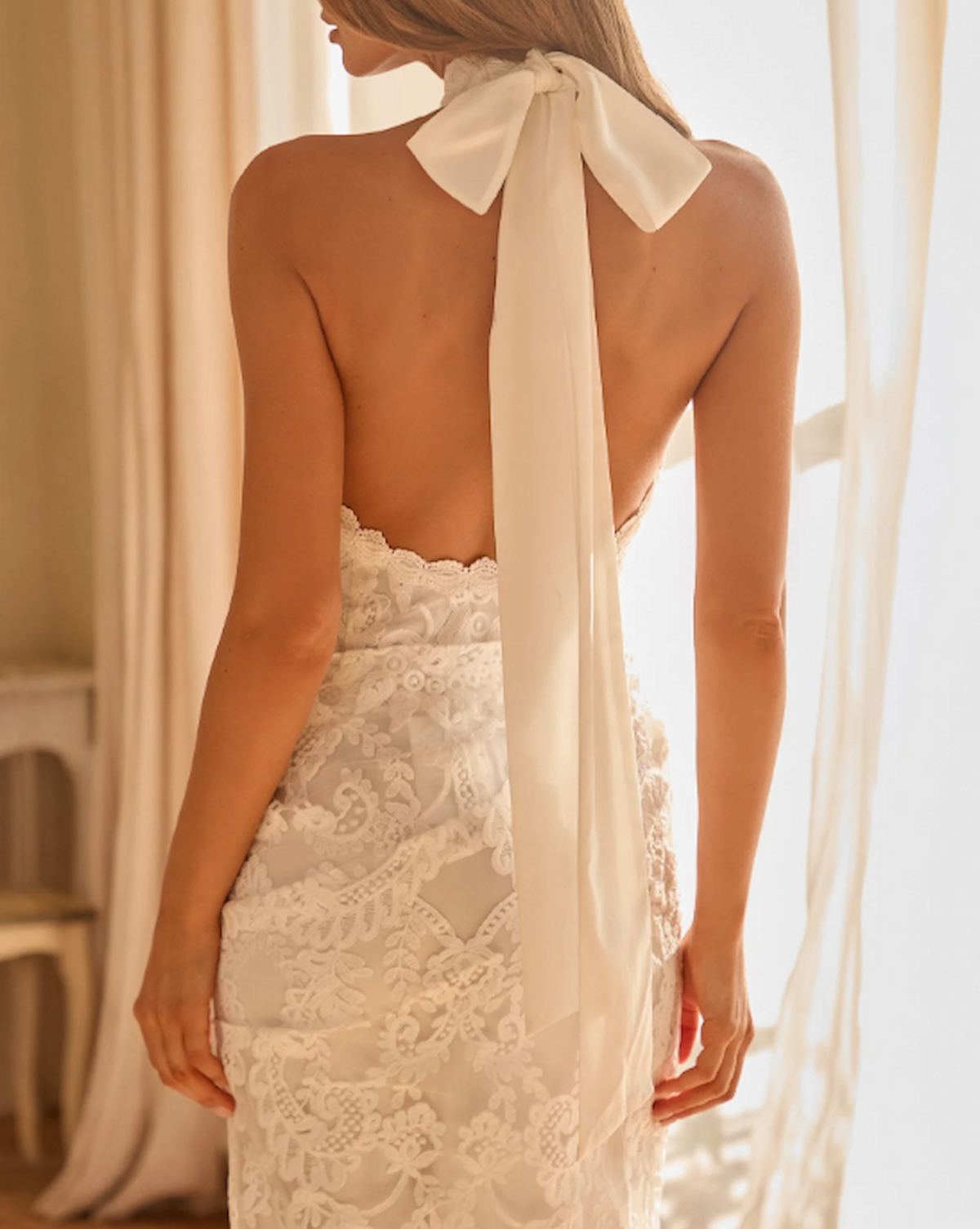
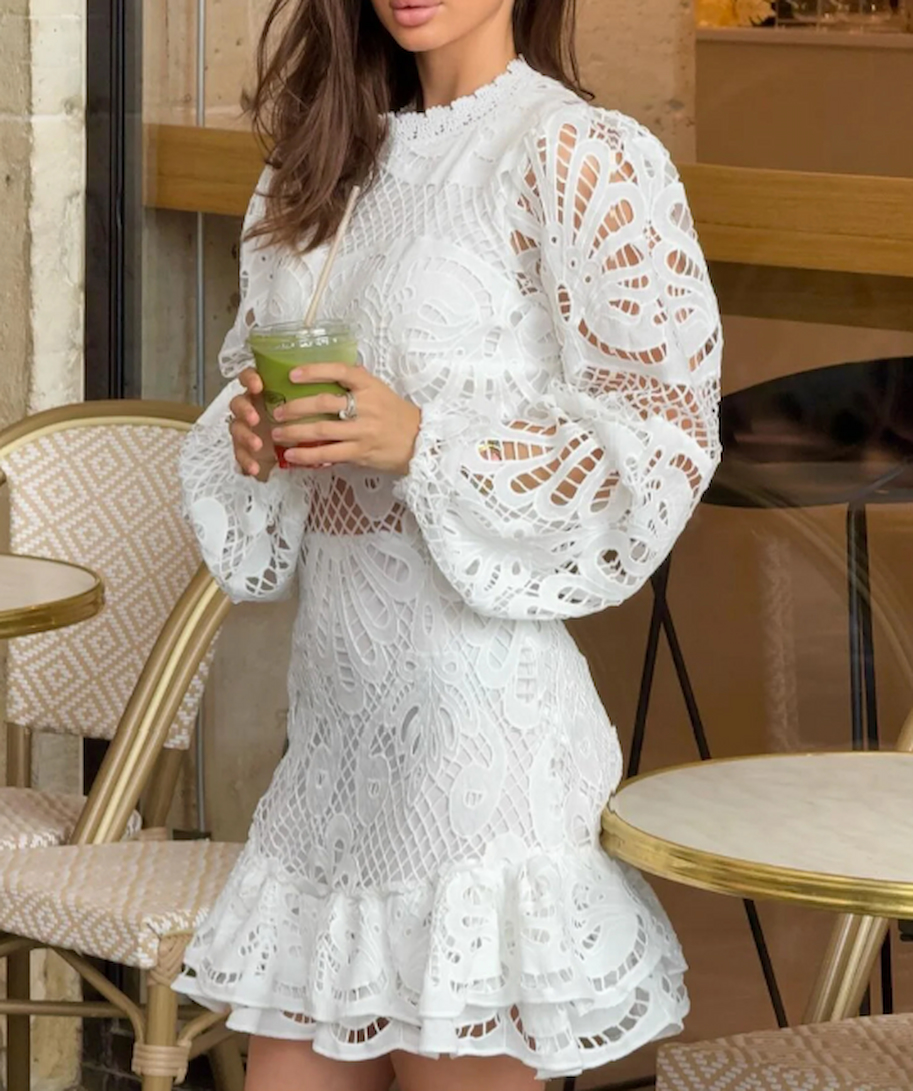
Not every white maxi dress needs to rely on its silhouette for visual interest. Texture can be just as effective. Embroidery, broderie anglaise, crochet panels and lace inserts can add depth to an otherwise monochromatic outfit. These details are particularly effective in white because subtle variations in texture become more noticeable without the distraction of multiple colours.
Broderie anglaise, with its decorative cutwork, has a naturally summery quality and works beautifully for daytime and holiday dressing. Crochet can create a more artisanal, bohemian effect, particularly when incorporated into panels or sleeves. Lace, meanwhile, can shift the same white colour palette towards something more romantic and formal.
When choosing a detailed dress, consider balance. If the garment already has extensive embroidery, lace or crochet, simple accessories can allow the texture to remain the focal point.
Styling Frameworks by Occasion
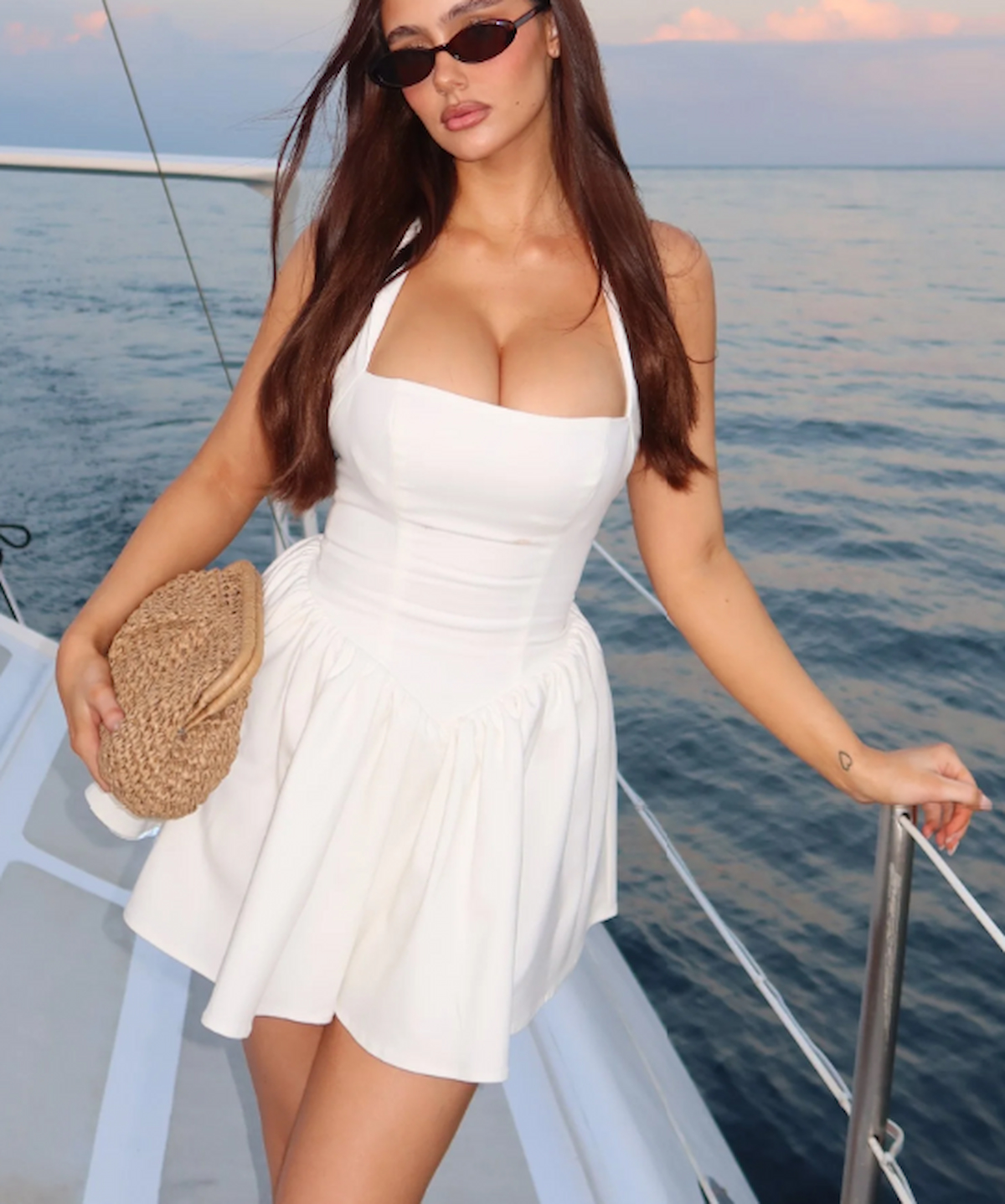
One of the greatest advantages of a women’s white maxi dress is its ability to change character through accessories. Rather than treating each dress as appropriate for only one occasion, think about the overall styling framework: footwear, accessories, outer layers and bag choice can all move the outfit in a different direction.
Casual Daytime and Beachside Dressing
For everyday summer wear, keep the styling uncomplicated. Leather flat sandals create a polished but relaxed foundation, while a straw tote reinforces the warm-weather aesthetic. A woven sun hat can provide practical sun coverage while adding another natural texture to the outfit.
Jewellery can remain minimal. Small gold hoops, delicate chains or simple bangles can complement white without competing with it. This approach works particularly well with cotton, linen and relaxed tiered silhouettes.
For beachside dressing, consider how the dress functions around swimwear. A loose-fitting style with an easy neckline or side openings can be more practical as a cover-up than a fitted formal silhouette. Look for fabrics that are comfortable in warm, humid conditions and that do not become unnecessarily cumbersome when worn over swimwear.
Boho Festival and Travel Styling
A white maxi dress can also take on a more expressive personality when styled with contrasting textures. A distressed denim jacket adds structure and creates a useful layer for cooler evenings, while layered turquoise or silver jewellery can introduce colour without overwhelming the white base.
Ankle boots can make the outfit feel less traditionally summery and more appropriate for festivals, road trips and transitional weather. A leather belt can also alter the proportions of a loose dress, while a crossbody bag keeps the outfit practical when travelling.
This is where bohemian details such as embroidery, crochet and lace work particularly well. Instead of adding multiple decorative accessories to a simple dress, look for one or two strong textural elements that create visual interest.
Elevated Evening and Summer Cocktail Dressing
For evening occasions, accessories can completely transform the dress. Strappy metallic heels instantly make a simple silhouette feel more formal, while a structured clutch provides contrast against soft or flowing fabrics.
Statement earrings are particularly effective with a clean neckline. Gold, silver or sculptural designs can provide the visual focus without requiring additional accessories.
If the dress is already heavily embellished, keep the remaining pieces restrained. Conversely, a minimalist slip or column dress can handle more dramatic jewellery because the clean silhouette provides a simple backdrop.
For wedding guest dresses and other formal summer occasions, also consider the dress code. White may be inappropriate for some weddings because of its association with bridalwear, even if the dress itself is not traditionally bridal. Always take the event and host’s expectations into account before choosing an all-white outfit.
Seasonal Transitions
A maxi white dress does not have to disappear from your wardrobe when summer ends. With the right layers, many silhouettes can work across spring and fall as well.
Summer Styling
During the hottest months, prioritise breathability and freedom of movement. Natural or lightweight fabrics can help the outfit stay comfortable, while loose silhouettes reduce the amount of fabric sitting directly against the body.
Sun protection should also be part of the styling equation. Wide-brimmed hats, sunglasses and lightweight long-sleeved layers can provide additional coverage without making the outfit feel heavy. Choosing breathable fabrics for these accessories and layers is particularly important in hot weather.
Spring and Autumn Adaptation
When temperatures become cooler, layering changes the entire character of a white dress. A fine-knit turtleneck underneath a sleeveless white maxi dress can turn a summer piece into a sophisticated transitional outfit. This works particularly well with slip and column silhouettes because the clean lines provide a simple base for layering.
A trench coat offers another polished option. Its structured shape contrasts nicely with a flowing dress and provides enough coverage for cooler mornings and evenings. For a more relaxed approach, a chunky cardigan can add softness and texture.