
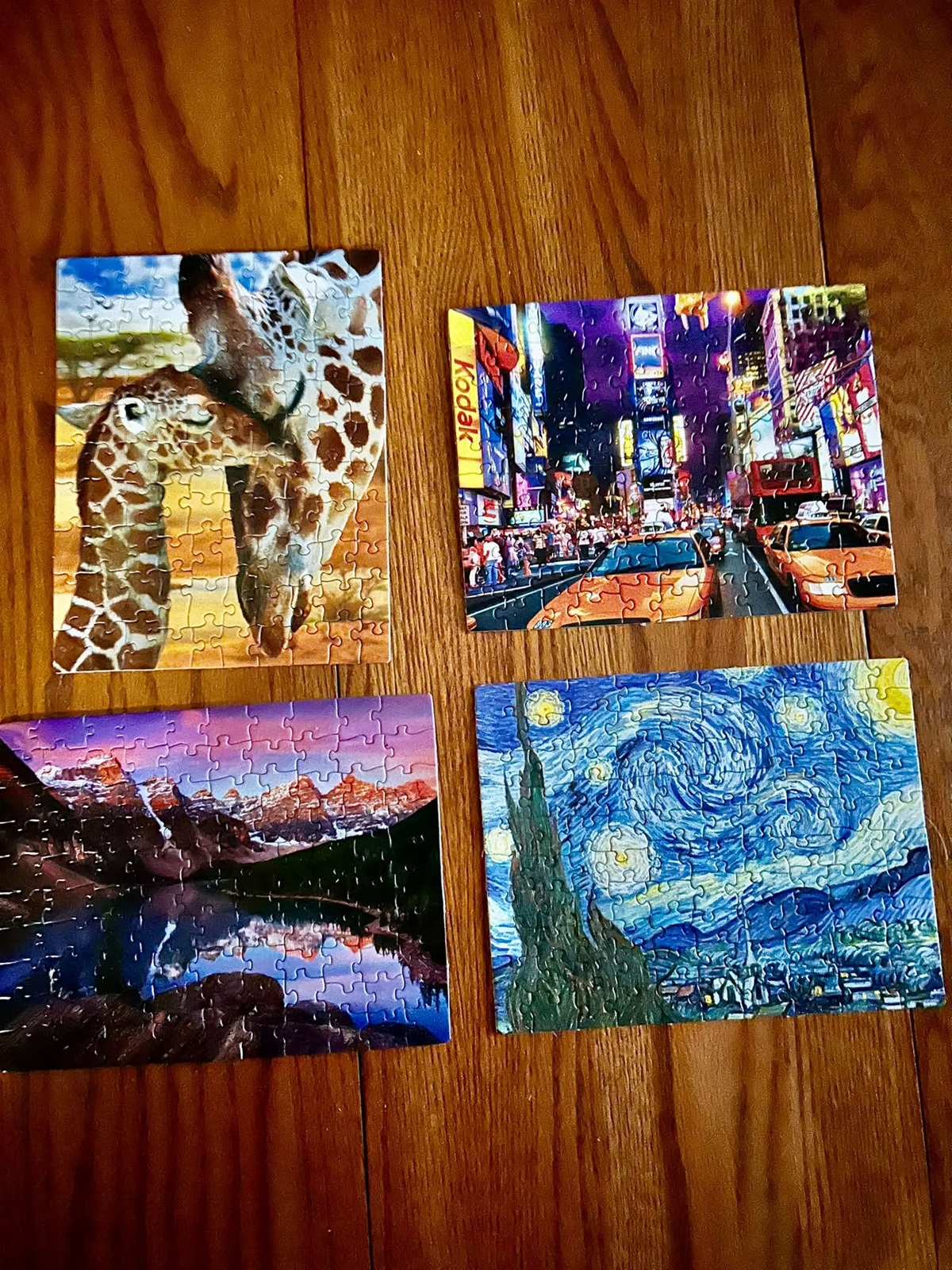
When you think of a puzzle, you might picture anything from a crossword or Sudoku grid to a tricky riddle. These brain-teasers come in countless forms, but they all give your brain a problem to work through. Some, however, add a more hands-on element to the experience. Jigsaws combine problem-solving with the simple satisfaction of physically putting something together. Instead of answering clues or working with numbers, you gradually build an image by finding pieces that belong together. Traditional options, on the other hand, can cover a much wider range of formats, including word games, logic challenges, and number-based activities. So, how do these different types compare?
What’s the Purpose of Jigsaw Puzzles?
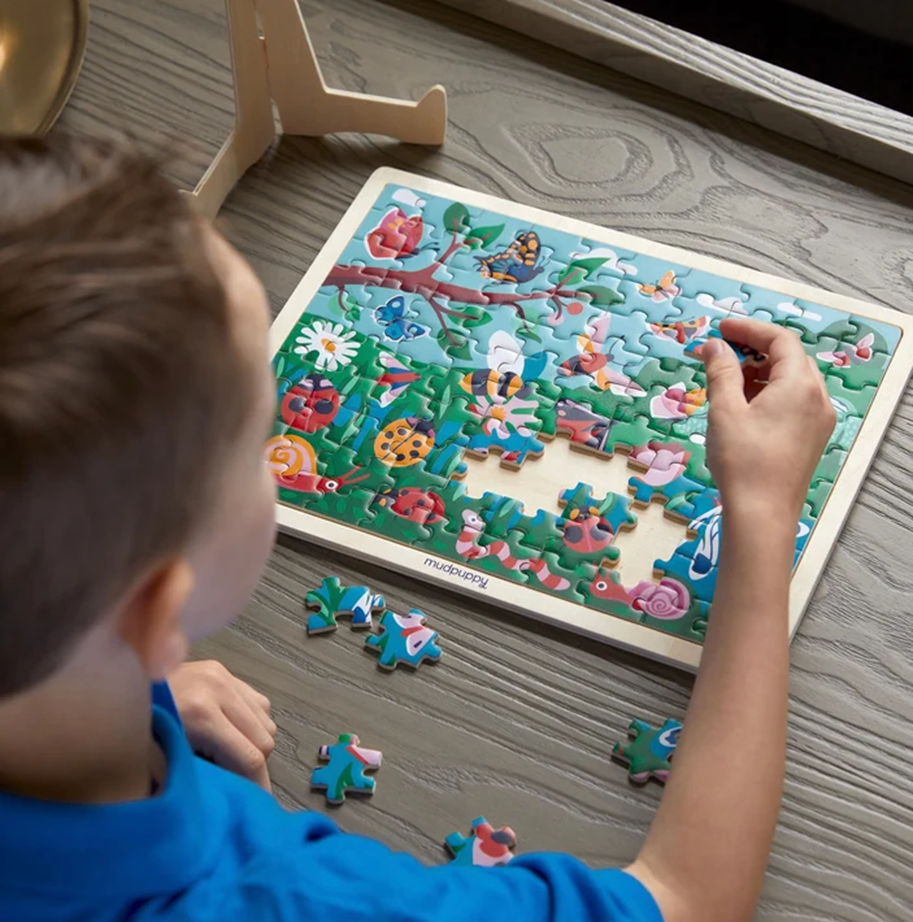
These games are more than simply putting pieces together to create a picture. They give you a chance to slow down, concentrate, and enjoy the process of figuring out where each piece belongs. Looking at shapes, colours, and patterns encourages you to pay attention to small details while working towards the finished image.
Unlike many riddles that rely mainly on words or numbers, 100-piece wooden jigsaw puzzles offer a hands-on experience. You can pick up each piece, examine it, and test how it fits with the others. Wooden versions can make this even more enjoyable, with their solid feel and distinctive shapes adding another element to the experience. It’s satisfying to watch the image gradually take shape. Whether you’re working on a landscape, artwork, or another detailed scene, the process is a relaxing way to spend some quiet time. The finished picture is rewarding, but much of the appeal comes from the journey of getting there.
Jigsaw vs Regular Puzzles
If you want to have a unique and interesting game night experience, consider detailed 100 piece wooden jigsaw puzzles. While the word “puzzle” can describe all kinds of games and challenges, a jigsaw has a much more specific purpose: putting separate pieces together to create one complete image. The challenge is more visual and hands-on. You look at colours, shapes and images while physically working out which pieces belong together.
On the other hand, a regular puzzle might be a crossword, riddle, Sudoku or another activity based on words, numbers or logic. You generally solve these by thinking through clues, patterns, or possible answers.
The two can also feel quite different to complete. Solving a crossword might involve writing answers into a page, while assembling a picture lets you handle the pieces and watch the image gradually appear. This can make the experience feel slower and more immersive.
Neither type is necessarily better than the other. It simply comes down to what you enjoy. A 100 piece wooden puzzle can be a particularly satisfying choice if you like visual challenges and prefer something you can physically work on.
What Does “Jigsaw Puzzle” Mean?
The word “jigsaw” has an interesting history that goes back more than two centuries. In the 1760s, British mapmakers began creating educational games by attaching maps to sheets of wood and cutting them into separate pieces. These early puzzles were made using a fine-toothed saw that could create the curved, detailed cuts needed to separate the pieces. Over time, the name of the tool became associated with the puzzles themselves.
Today, the term refers to a puzzle made up of pieces that fit together to form a larger picture. 100 piece wooden jigsaw puzzles are a continuation of that early tradition, even though modern manufacturing methods are different. Instead of being cut by hand, manufacturers produce these pieces using highly precise machinery or laser technology, allowing for intricate shapes and detailed designs.
Knowing where the word came from gives the activity a little more character. What began as an educational way to learn geography eventually became a popular pastime enjoyed by people of all ages. The basic idea has remained remarkably simple: take separate pieces and gradually turn them into one complete image.
What Makes Them Special?
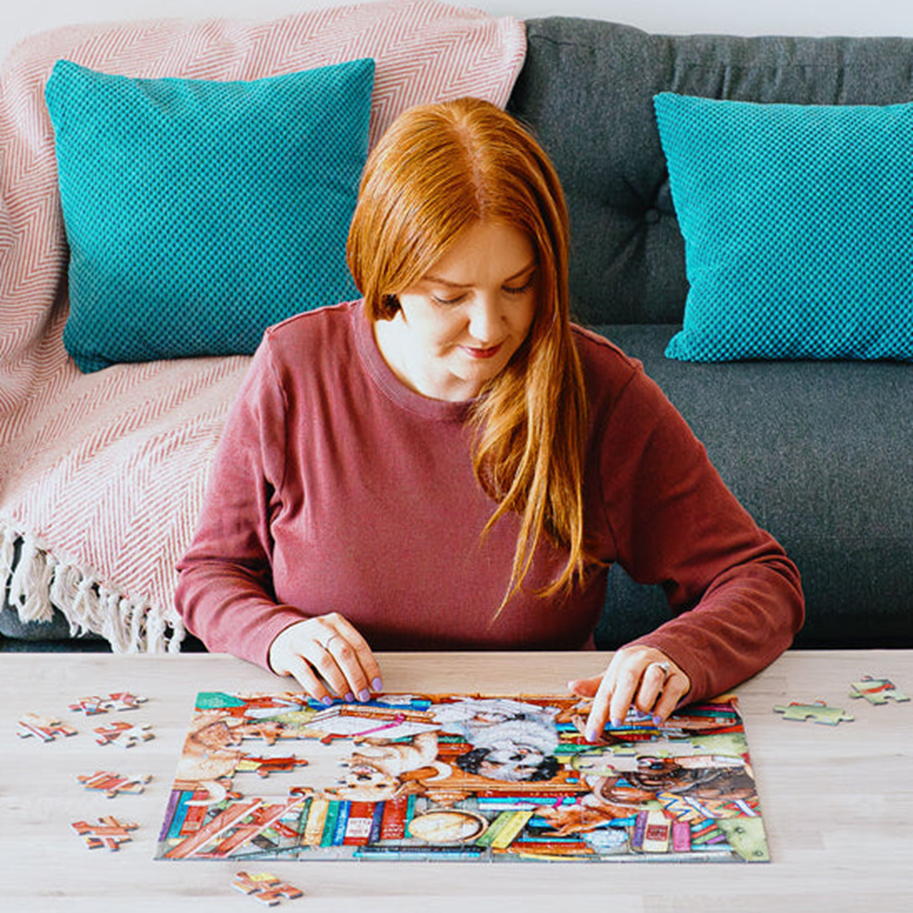
Putting together handcrafted 100 piece puzzles piece by piece can be a surprisingly engaging way to spend your free time. A jigsaw puzzle combines visual thinking with hands-on activity, giving you something to focus on while you gradually work towards the finished image. It can be enjoyed alone or with others, making it an easy activity to fit into a quiet afternoon or relaxed evening. Working on one can exercise several different skills, including:
-Visual and spatial thinking: You need to consider shapes, colours, and how different parts fit together.
-Concentration: Searching for the right piece encourages you to stay focused on the task rather than constantly switching between activities.
-Problem-solving: Each section presents a small challenge as you work out where different pieces belong.
-Memory: Remembering colours, patterns, and where you’ve already searched can help keep your mind engaged.
-Fine motor skills: Picking up, turning, and positioning small pieces involves hand-eye coordination and precise movements.
There’s also something naturally satisfying about seeing progress. You start with a collection of separate pieces and gradually create something complete. While puzzles aren’t a substitute for other activities that support cognitive health, they can be an enjoyable way to challenge yourself, practise patience, and spend some focused time away from screens.