
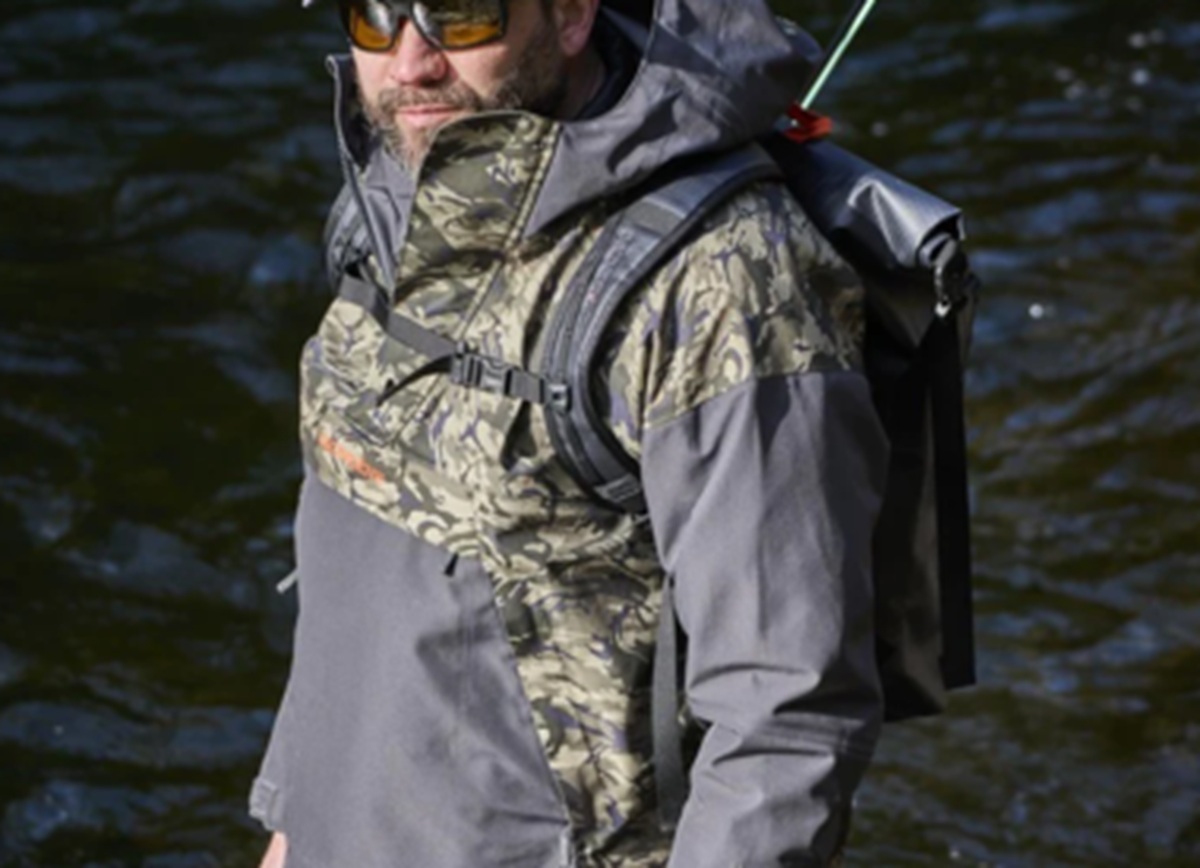
Heading out for a day on the water is a chance to reconnect with nature, enjoy some peace, and chase that unforgettable moment when something tugs the line. The buildup of excitement with every cast, mixed with the quiet focus required throughout the day, is what keeps you coming back. But to truly make the most of the experience, you need to be prepared, and that starts with what you wear. Weather, movement, and long hours outdoors can all test your endurance, so choosing the right clothing helps you stay ready for whatever the day throws your way.
One of the most important considerations when fishing is to stay dry and comfortable, so look for waterproof apparel for fishing, preferably one that features a “20K waterproof” rating. This rating indicates the material’s ability to withstand water pressure and ensures that you’re protected even in heavy downpours. For added performance, garments with a Durable Water Repellent (DWR) coating are ideal. This treatment causes water to bead up and roll off the fabric instead of soaking in, which helps maintain breathability and dryness over time. Multi-layer shell designs are another feature to look for, especially those with a breathable membrane.
Weather Considerations
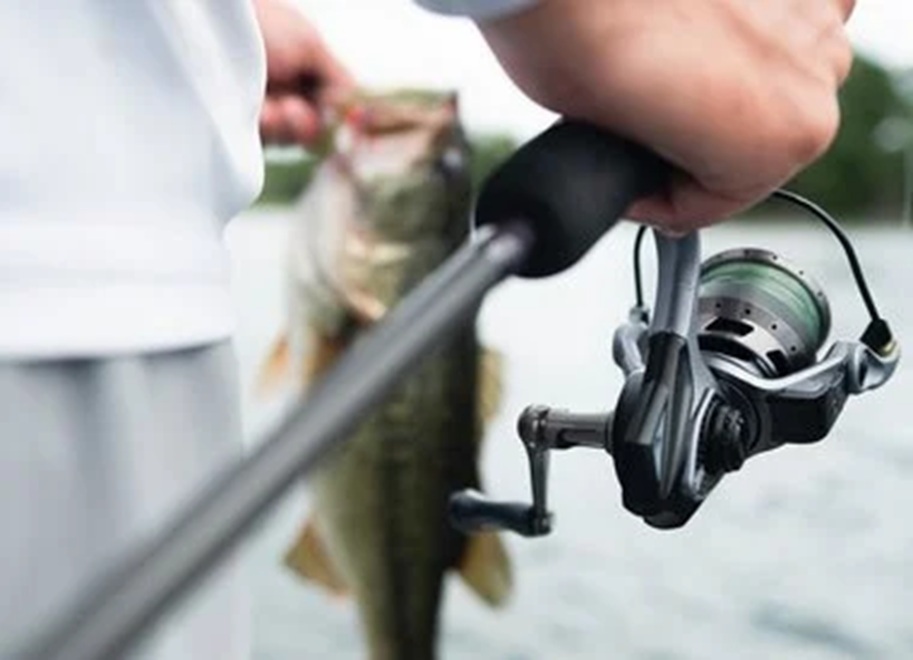
So, how do I dress when fishing? Before heading out with your rod and reel, take a moment to check the forecast. The weather can change quickly, and what you wear can make or break your time on the water. There’s no universal dress code for angling. It depends on what kind of conditions you’re stepping into.
When it’s hot and sunny, staying cool and protected is key. You’ll want lightweight fishing apparel that breathes, keeps you dry, and shields your skin from UV rays. Too many heavy items can weigh you down, especially if you’re moving over uneven terrain. And don’t forget, areas around water often feel more humid than forecasted due to evaporation.
Cold days call for a smart layering system. The trick is to start with a moisture-wicking base, add an insulating layer to trap heat, and top it off with a weatherproof shell. This way, you stay warm but have the flexibility to adjust if the temperature shifts.
If you’re facing rain, wind, or both, protection from the elements becomes a top priority. A good outer layer can make a big difference, one that’s waterproof but won’t restrict your movement.
Here’s a quick checklist for dressing smart out on the water:
- Light, moisture-wicking fabrics for warm days;
- UV-protective gear;
- Insulated layers for cooler temps;
- A breathable, waterproof outer shell;
- Comfortable, grippy footwear;
- Hats or buffs for sun and wind protection.
Materials and Features
When you’re heading out for a day on the water, your apparel for fishing isn’t just about style, but it’s about staying comfortable and safe in whatever nature throws your way. Clothing that’s too tight or made from the wrong material can leave you feeling overheated, soggy, or stiff when you need to move freely. That’s why paying attention to fabric matters more than most people realise.
Good outdoor gear should work with your body, not against it. Whether it’s a warm afternoon or a damp, chilly morning, the material should breathe, stretch, and keep your body temperature in check. You want something that pulls sweat away from your skin and still holds up against rough conditions without weighing you down. Soft, UV-protective fabric is a huge bonus, especially when you’re out under the sun longer than you expected.
Being outdoors for hours means your clothes need to hold up. A quality blend that’s lightweight but durable can help you stay dry and cool without sacrificing comfort. In the end, picking the right fabric makes your experience more enjoyable and helps you stay out longer and focus on what you came for.
Protection
Comfort and warmth are important, but your fishing clothing should also offer safety. It’s easy to focus on the gear and forget about some of the basic risks you might face out there, especially when the weather feels fine and everything seems calm. One of the biggest culprits is the sun. On clear but chilly days, it’s easy to underestimate how much damage it can do. You might end up peeling off layers too soon, only to get hit with a cold breeze while damp with sweat. That kind of chill can creep in fast and mess with your body, especially after hours in the elements.
Wearing fishing clothes with good UV protection isn’t just about avoiding sunburn. They help shield your skin from deeper damage that can build up over time. Accessories like sunglasses and hats are essential. They keep you clear-headed, reduce eye strain, and help you stay hydrated by fending off direct sun exposure. And if you’re planning to be out late or in low visibility conditions, reflective touches on your gear or clothing can make a big difference. Not just for your peace of mind, but so others can see you too.
Fishing Footwear
Don’t overlook your shoes when you’re heading out. The right pair can mean the difference between a great day and one cut short by soggy socks or slipping on a rock. Depending on where you’re going and how long you’ll be out, here are a few types of footwear worth considering:
-Wading boots: If you’re someone who likes to get in the water or ends up in it, whether you planned to or not, these are a lifesaver. They give a solid grip on slick riverbeds and rocky terrain. Just make sure to check local rules on felt vs. rubber soles.
-Sandals: Perfect for hot days when you’re mostly on dry land. Go for quick-drying, breathable ones that won’t slip around. Bonus points if they have a good strap system to keep them secure.
-Deck shoes: If you’re sticking to the boat or pier, these offer solid traction without marking up the surface. They’re made for wet environments and keep you steady without sacrificing comfort.
The Importance of a Vest
You’ve probably seen those vests around, loaded with pockets and zippers, and maybe wondered if they’re worth wearing. The truth is, they can make a huge difference, especially on longer days by the water. Carrying your gear in a bag or trying to stuff everything into your pants pockets just doesn’t cut it after a while. A vest gives you quick access to what you need, right when you need it. No more digging around or walking back and forth to your backpack every time you need a tool or lure.
Even better, a vest spreads the weight across your upper body, so it’s not all dragging down one side or bouncing around awkwardly. It frees up your legs and arms so you can move naturally, cast without feeling restricted, and stay focused on the moment.