
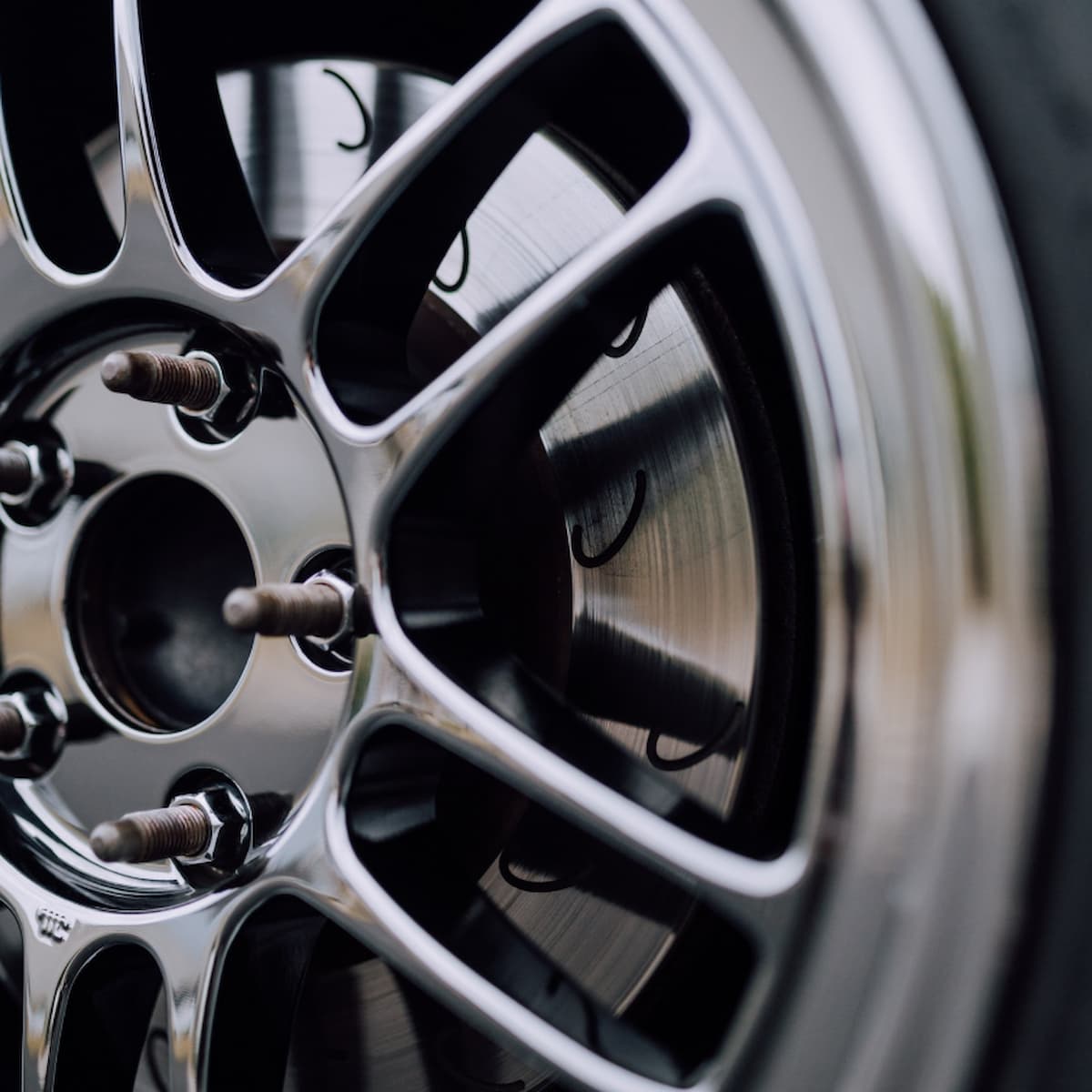
The braking system of your vehicle is the only one that is able to stop it or slow it down. While it’s easy to take it for granted, the main driving force behind it has to do with creating as much friction as possible. When you press the brake pedal, hydraulic fluid pushes a number of pistons against the brake pads, which forces them onto the spinning disc found on each wheel.
This point of contact turns momentum into heat and brings your car to a halt. As complex as air suspension, the capabilities of your vehicle’s braking system depend mostly on the type of friction material or Mazda CX 5 brake pads it comes with.
Types of Brake Pads
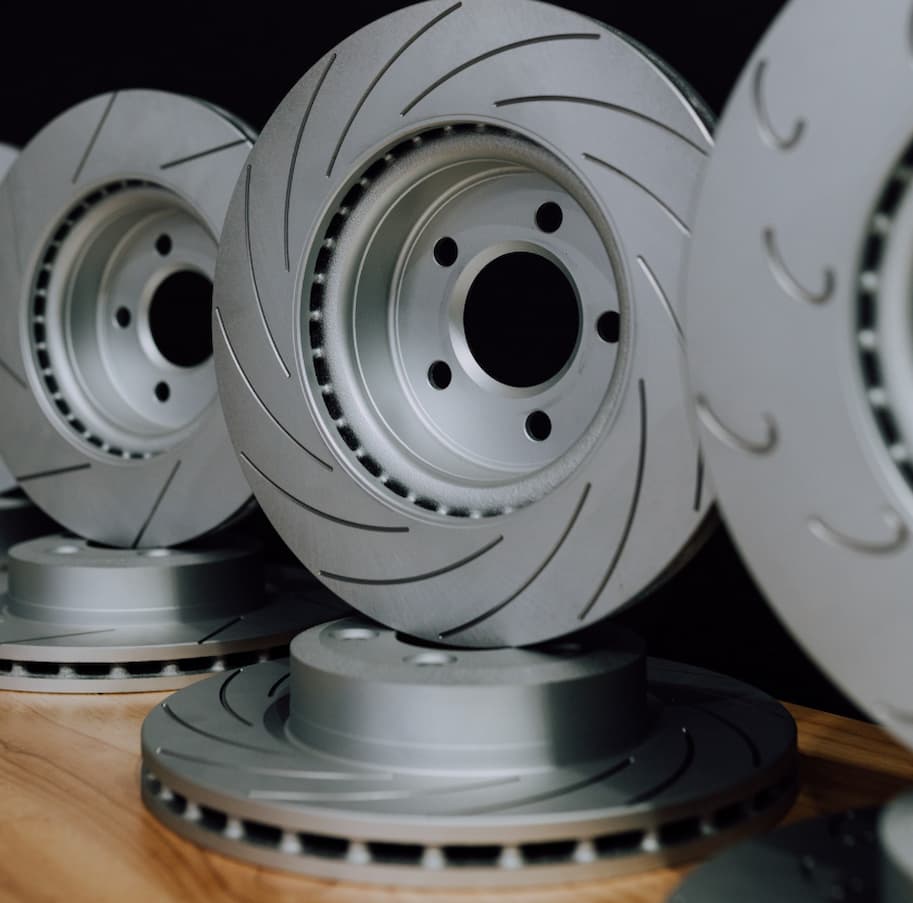
Ceramic
Ceramic brake pads are made of dense ceramic compounds, which are often combined with copper fibres for improved heat transfer. These pads are best known for being quiet and able to produce very little brake dust. Despite their stable performance in normal driving conditions, ceramic pads aren’t that common on daily drivers. However, ceramic Mazda CX 5 brake pads are known to last a long time and thus don’t wear your rotors down quickly, even on a spirited drive. Their main downside is that they aren’t suited for extreme braking, such as towing or track driving.
Metallic
Metallic brake pads use a mix of metals like steel, iron and copper, pressed together with resins. This combination of materials makes them strong, tough and able to handle heat well, which is exactly why you’ll find them on most performance models or cars used exclusively on a track. Metallic CX5 brake pads generate more noise and dust, but they perform well even when you go all the way down on the brakes for long periods.
Semi-Metallic
A combination of synthetic materials and metal fibres, semi-metallic pads sit between ceramic and full metallic ones. They give you a good pedal feel, long lifespan and decent braking performance. Semi-metallic Mazda CX-5 brake pads can be noisier than ceramics, and might kick up a bit of dust, but they’re a practical choice if you drive mostly in mixed conditions or need a bit more bite than what ceramic pads are able to offer.
Organic
Organic, or NAO (non-asbestos organic), brake pads are made with fibres such as rubber, glass or Kevlar, bound together by resins. They’re softer than the rest, quieter and more affordable, but they generally wear out much faster. You might find these on older or smaller vehicles. NAO Mazda brake pads are not made for towing or aggressive driving, but they can work for normal motorway driving or short trips in the city.
What Matters in Brake Pads
Chamfer
A chamfer is a slanted cut at the edge of the brake pad’s friction material. Its job is to reduce noise and help pads bed in more smoothly. Mazda brake pads with chamfers are less likely to squeak, and the pad material wears more evenly, extending the pad’s life and keeping the pedal feel consistent through the life of the pads.
Slot
Slots look like grooves cut into the friction surface, and their role is to let gases, dust and water escape as the pads meet the disc. This helps reduce brake pad fade, and it also helps maintain braking power when things get hot. Mazda brake pads with slots also prevent pad glaze while being much safer in wet conditions.
Shim
Shims are thin layers of rubber or metal stuck to the back of the pad. They are there to reduce brake noise and vibration, which usually occurs between the pad and the calliper. If you want the quietest possible drive, consider getting CX5 brake pads with built-in shims.
Compatibility
Mazda CX-5 brake pads change slightly over a couple of years as Mazda tweaks the same model on a yearly basis, so correct fitment is key. The right pad for a 2017 CX-5 might not suit a 2020 model, which is why you should always check for a correct part number and have your VIN ready to find the right pads for your CX-5.
What Affects Brake Pad Longevity
Weight
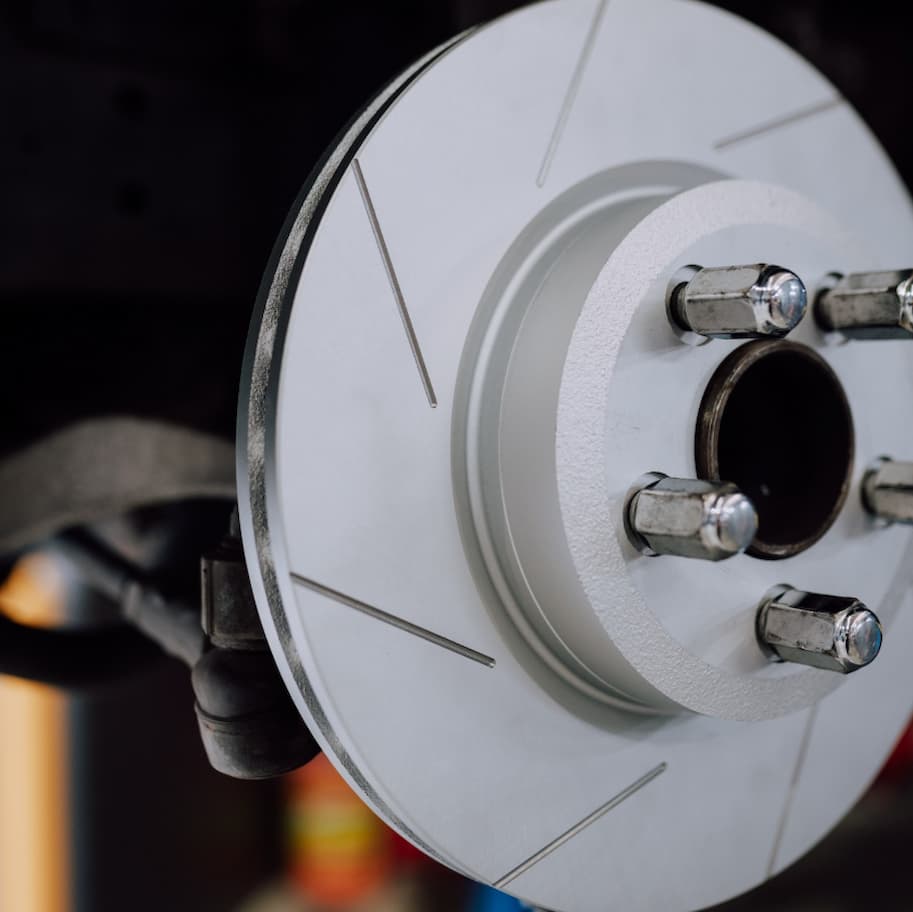
A loaded vehicle is heavier and takes more effort to stop, which is why the more weight your car carries, be it passengers, gear, or towing, the bigger stress you put on your Mazda brake pads. More stress means more wear and a shorter lifespan.
Driving Habits
If you brake late and hard, or are in heavy traffic, your CX5 brake pads will wear more quickly. Smoother braking is not only safer, it also means your pads will last longer and your maintenance costs will go down, too.
Weather Conditions
Extreme weather has a big impact on your braking system and dust brake pads. Hot climates can wear pads more quickly, while wet or cold conditions can affect friction and reduce performance. Salt and road grit can get between the pad and disc, grinding them down faster. Your Mazda CX-5 brake pads simply wear out faster in harsher conditions than those in less aggressive weather conditions.