
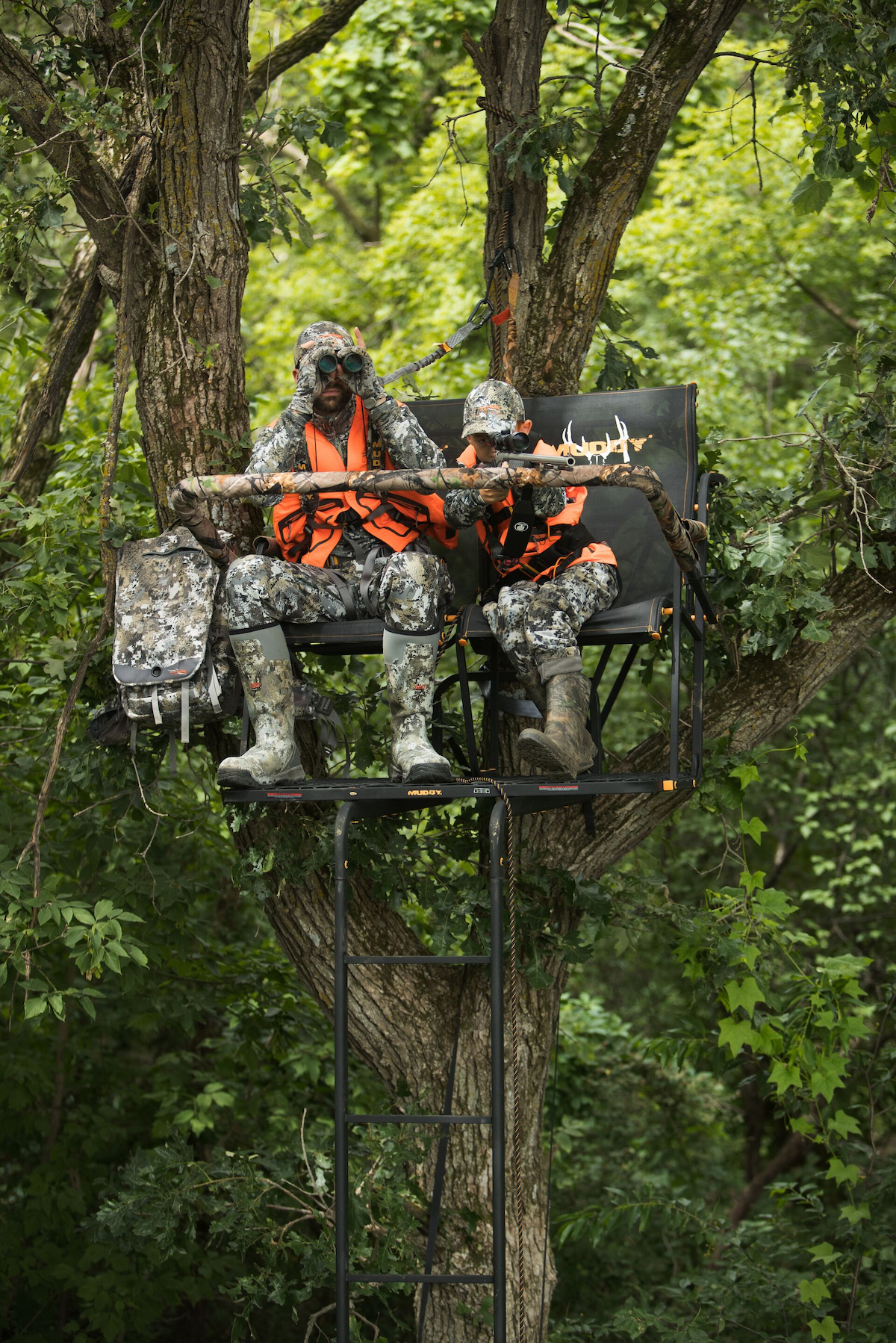
There’s more than one way to get the job done when it comes to hunting with a bow. Success often comes down to being flexible and creative, especially when deciding exactly where to hang your treestands. The right placement can make a big difference between a quiet sit and a memorable encounter. I’ll break down some of the smartest strategies I’ve used over the years to find, prepare, and hunt highly productive locations, so you can increase your odds this season.
Choosing a lightweight and portable treestand can make your hunting experience more enjoyable. This means less fatigue on those long walks in before daylight, so you arrive fresher and more focused. It also gives you the freedom to move stands more often throughout the season as deer patterns change, which can be a game-changer on public land or pressured property. Modern lightweight designs are surprisingly sturdy and comfortable, so you don’t have to sacrifice safety or all-day sit capability. In the end, it helps you hunt smarter, cover more ground, and stay in the game longer, which usually leads to better opportunities at mature bucks.
Where Do I Place a Hunting Treestand?
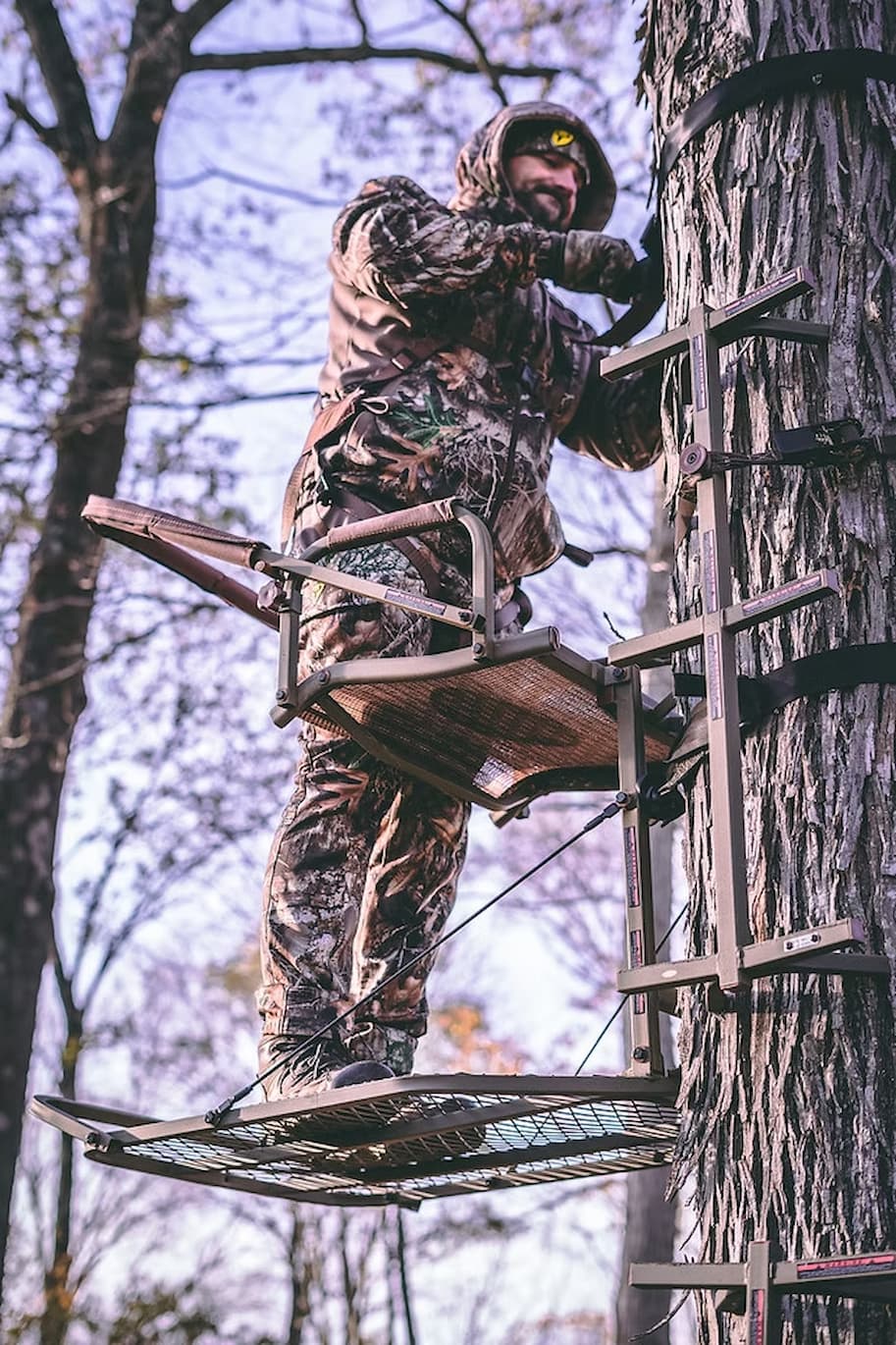
When it comes to hanging a treestand, everything boils down to location. The possibilities out there are almost endless, so you’ve got to use every scouting trick you can to find the spots that produce. I usually start by looking at maps on Google Earth or similar tools, then spend plenty of time boots-on-the-ground to get a real feel for the area. Over the years, I’ve found one simple rule that helps a lot: about 25 percent of any piece of ground holds around 75 percent of the deer activity. Focusing on that smaller zone lets you ignore many mediocre areas and zero in on the places where deer are moving.
Identify the three big pieces of the puzzle: where deer bed down in secure cover, where they feed, and the routes they use to travel between the two. Connecting those dots on the landscape makes it much easier to picture how the deer are using the property. Once I’ve got a good idea of the travel corridors, I head out on foot and walk them slowly. Pay close attention to the terrain and cover. The lay of the land usually dictates exactly where the deer prefer to move. That’s where you start looking for the best ambush points along those paths.
Creating Stealthy Access Routes
No matter how good a potential spot looks, you still need a reliable way to get there quietly. Access is one of the most important pieces of the puzzle, and putting in the effort to create smart routes can make or break your season. Here are a few key things I focus on when planning access:
-Low-impact entry and exit paths: I spend time clearing quiet routes so I can slip in the last 100 yards or more without making noise that alerts deer.
-Natural features as cover: Creeks, ravines, and thick cover let me approach without being seen or heard.
-Stealthy final approach: I rake or blow away leaves and debris near the base of the tree so I can get organized quietly before climbing.
-Using the boat or waders when possible: Sometimes the best way in is by water, which keeps me completely out of sight.
Key Elements of a Productive Treestand Setup
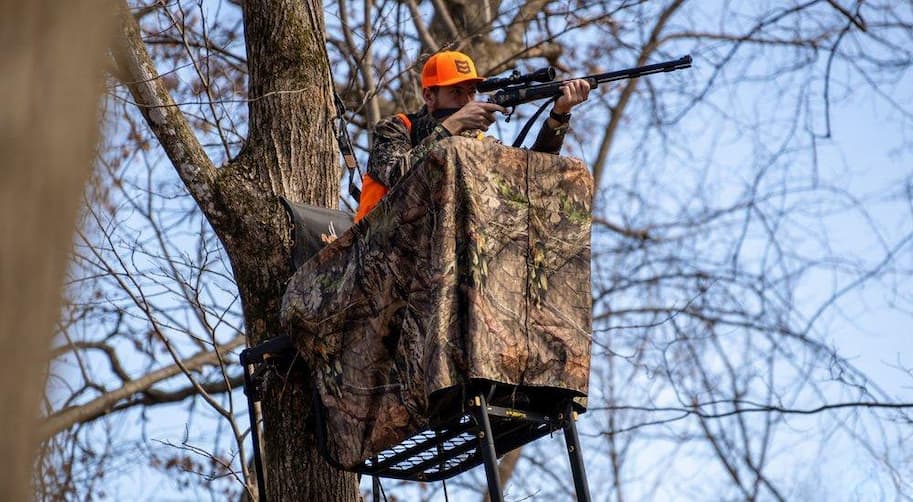
Choosing the right spot to hunt is one of the most important decisions you’ll make. There are so many factors to weigh, like wind direction and how your scent will travel, likely deer movement patterns, how quietly you can slip in and out, where the sun will be, and whether you’ll have good background cover behind you. It’s rare to find a perfect tree that ticks every box, but when you do, set up right away. Here are the main things I always consider:
-Wind and scent control: Make sure the prevailing breeze carries your scent away from where you expect deer to approach.
-Travel routes and bedding areas: Look for natural funnels, trails, and secure cover that deer use regularly.
-Stealthy access: Can you get in and out without being seen or heard?
-Sun position and background: Avoid being silhouetted against the sky and position yourself so the sun isn’t blinding you.
-Shooting lanes: Ensure you have clear, ethical shot opportunities without needing major trimming.
Making the Most of Your Time
In the end, one of the biggest factors influencing treestand success is the amount of quality time spent hunting a well-chosen location. I’ve learned this lesson the hard way over many seasons. If you want to see mature bucks, you need to be willing to sit all day. Pack a lunch, bring extra layers, and throw in a book or something to keep you occupied. Staying put from dawn until dark has paid off for me time and time again. In fact, roughly a quarter of the good bucks I’ve taken have come during midday hours, especially between ten in the morning and two in the afternoon.
This approach works particularly well on public land. Slip in deep, find some thick cover, and let other hunters push deer your way. The key is patience and commitment. When you’re comfortable and willing to stay put, you give yourself the best chance to be in the right place at the right time.