
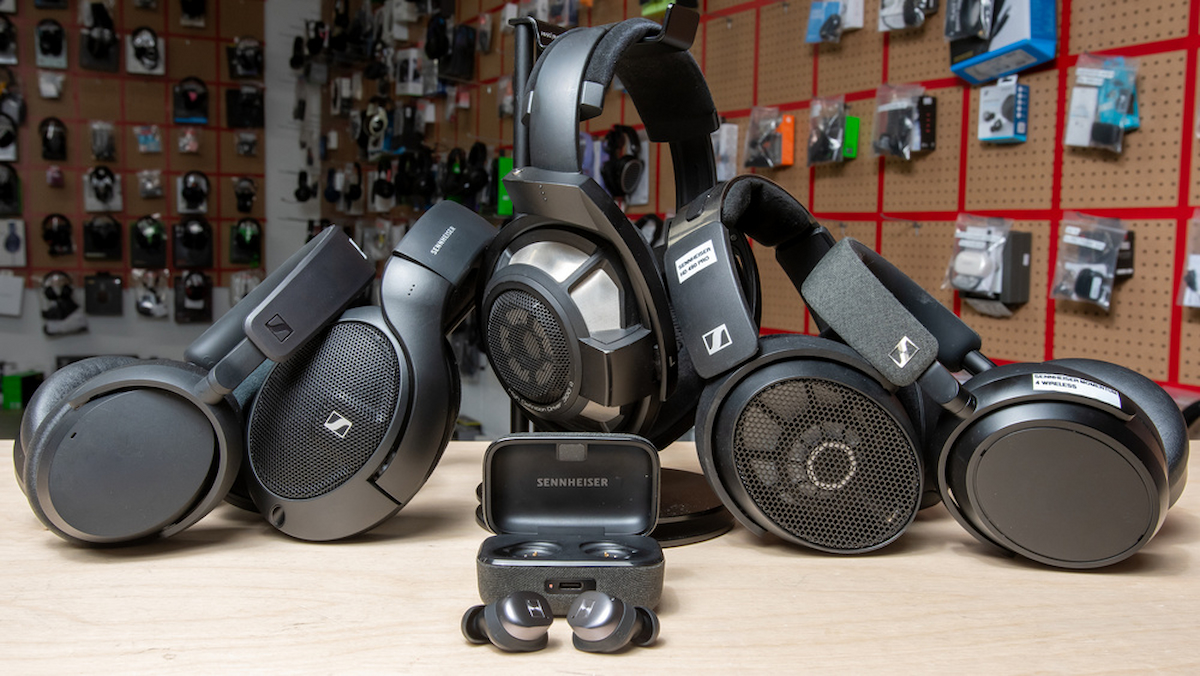
Need a new pair of headphones, but you’ve fallen down the rabbit hole of specs, styles, and terminology? Wired or wireless? Tiny earbuds or cushioned over-ears? Picking the right pair is no longer a question of budget; it’s about understanding what actually matters for the way you listen. So, before you start overthinking, let’s see what the options are and how to find the best ones for you.
Wired vs. Wireless: The Cable Conundrum
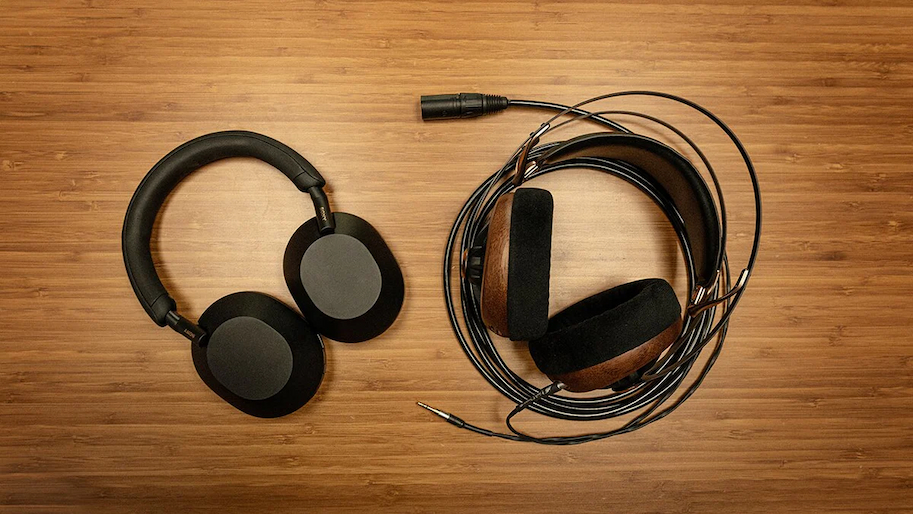
Let’s start with the most obvious question: Do you want a cable dangling from your ears or not?
Wired headphone models are old-school technology, and there’s no denying the fact that audiophiles swear by them. They offer an uncompressed audio stream without any delay and don’t require batteries to function. If you care only about audio quality and not convenience, go for wired models.
They are usually cheaper than wireless ones at any performance level because the manufacturer doesn’t have to spend money on batteries and Bluetooth modules, and instead invests that budget in the audio hardware.
As for the cons, they boil down to one thing: the cable. It snags on door handles, entangles in your bag, restricts your movement, and forces you to stick close to your gadgets.
Plus, the newest smartphones lack headphone jacks, requiring users to purchase an additional adapter, which is a special kind of nuisance. Wireless options (usually Bluetooth nowadays) provide a degree of mobility that is difficult to give up. Getting ready for work, commuting, exercising, or cleaning your apartment – it all becomes much easier when you are not tied to a wire.
These premium-quality headphones offer outstanding audio that is dramatically better than before, and unless you are a professional audio listener, it’s highly unlikely that you will notice any difference. The trade-offs? Well, you need to charge the battery and suffer occasional connectivity hiccups. There is also an inevitable delay during playback that can be a bit annoying while watching videos.
And last but not least, wireless models tend to be more expensive than their wired counterparts. The verdict: wireless for everyday use, wired for audio quality perfectionists and people who hate to recharge things.
The Form Factor Battle: In-Ear, On-Ear, or Over-Ear?
This is where personal preference comes into play, but here’s the deal.
In-ear headphones (earbuds or IEMs) are designed to fit snugly within the ear canal. They are portable, convenient, and great for use at the gym or when commuting. High-quality IEMs offer amazing sound performance considering how small they are. The downside? Comfort.
Some people hate having something stuffed into their ears for extended periods, and finding the correct ear tip size may feel like a science experiment. Also, in-ears are easy to misplace, and if they fall out mid-run, well, good luck. On-ear headphones rest against the ear rather than around it. Portability-wise, they trump over-ear options by being more lightweight and often foldable.
The problem is that they can cause ear fatigue after a few hours because they press directly on your ears. They also leak sound much more than any other option, which means your playlist will be shared with anyone who happens to be within earshot on a silent bus.
Over-ear models feature cups that enclose your ears fully. These big boys are usually the most comfortable for long sessions, home listening, or studio work. They create a natural seal that enhances low frequencies, offering the best audio quality. The only downside is their size and weight. You won’t be able to carry them easily, especially when travelling.
Open-Back vs. Closed Back: Sound Stage or Sound Isolation?
This is the one detail most people overlook, yet it makes a huge difference.
Closed-back headphones for sale have ear cups that block sound from both leaking out and getting into your ears. They’re excellent for commuters, office workers, professional DJs or anyone who needs isolation from their surroundings and doesn’t want to impose their tunes on everyone else. Unfortunately, this means that the sound will come across as somewhat ‘in your head.’ Audiophiles call this ‘soundstage.’
Open-back models feature perforated or mesh ear cups that allow air and sound to pass freely. This results in incredibly natural and spatial sound, as though the music were playing around you rather than inside your head. This feature makes them a top choice for audiophiles. However, the open-back alternative provides no protection whatsoever from outside noises. There’s also no stopping the music from leaking into the room – not a good choice to listen to tunes privately.
So, What Should You Buy?
The bottom line here is that you should figure out your use case before you buy anything. A frequent gym-goer needs something totally different from what a home recording artist would appreciate. For most people, there’s nothing more versatile than a wireless over-ear model with noise cancellation technology. Commuters who prefer lightweight, portable options should definitely go for in-ears. And for audiophiles who listen mostly at their desks, wired open-backs are the real deal.